Tag: Asia

  • Asian stocks surged, with the KOSPI at a record high and the Nikkei above 58,000, as markets awaited U.S. jobs data.

    Most Asian equities advanced on Thursday, led by a record-breaking surge in South Korea, where chip stocks powered gains. Japanese shares were mostly steady after earlier climbing to a new all-time high above 58,000, supported by optimism surrounding the so-called “Takaichi trade.”

    Regional upside was limited, however, after stronger-than-expected U.S. employment data underscored the resilience of the labor market. While the figures eased worries about the health of the world’s largest economy, they also reduced expectations for near-term interest rate cuts by the Federal Reserve.

    On Wall Street, major indexes finished largely unchanged overnight, with futures trading flat during Asian hours.

    KOSPI sets record as Samsung rallies on AI momentum

    In Seoul, the KOSPI surged nearly 3% to a historic high of 5,515.8, extending gains fueled by robust demand for AI-related semiconductors.

    Samsung Electronics jumped more than 6% to record levels after a senior executive emphasized the firm’s technological leadership in next-generation HBM4 (high-bandwidth memory) chips. The comments boosted confidence in Samsung’s production plans and its competitive positioning in advanced AI memory markets.

    Investors are increasingly viewing HBM4 as a key driver of the next phase of AI hardware expansion, supporting profit margins and earnings visibility.

    SK Hynix also rose 3.5%, buoyed by expectations of sustained demand for high-end memory chips used in AI servers.

    Nikkei surpasses 58,000 milestone
    Japan’s Nikkei 225 briefly broke above the 58,000 mark for the first time, hitting a new record before trimming gains to trade flat. The broader TOPIX index climbed 1.5% to a fresh all-time high of 3,888.94.

    The rally has been partly linked to optimism over Prime Minister Sanae Takaichi’s election win. Investors have responded positively to her pro-growth agenda, which includes backing domestic industries, increasing defense spending, and maintaining supportive financial conditions—policies seen as favorable for exporters and cyclical sectors.

    Strong U.S. jobs data tempers Fed cut expectations

    U.S. data released Wednesday showed nonfarm payrolls increased by 130,000 in January, well above forecasts, while the unemployment rate unexpectedly dipped to 4.3% from 4.4%. The figures highlighted ongoing strength in the labor market.

    Although the report eased fears of an economic slowdown, it also dampened hopes for imminent Federal Reserve rate reductions.

    Elsewhere in Asia-Pacific, Australia’s S&P/ASX 200 gained 0.5% and Singapore’s FTSE Straits Times rose 0.7%. China’s CSI 300 and Shanghai Composite were mostly unchanged, while Hong Kong’s Hang Seng fell more than 1%, diverging from regional trends. India’s Nifty 50 futures edged up 0.1%.

    Sources: Ayushman Ojha

  • Asian FX was subdued, with the yen supported by intervention warnings after Takaichi’s win

    Most Asian currencies traded in narrow ranges on Monday, while the yen edged higher after Japan’s finance ministry stepped up intervention warnings. However, the yen remained under pressure from concerns over heavy fiscal spending, which are expected to persist following Prime Minister Sanae Takaichi’s landslide election win. Elsewhere, Asian currencies stayed subdued after recent dollar strength, with markets now focused on key economic data due from the U.S. and China.

    Yen buoyed by intervention warnings following Takaichi’s victory

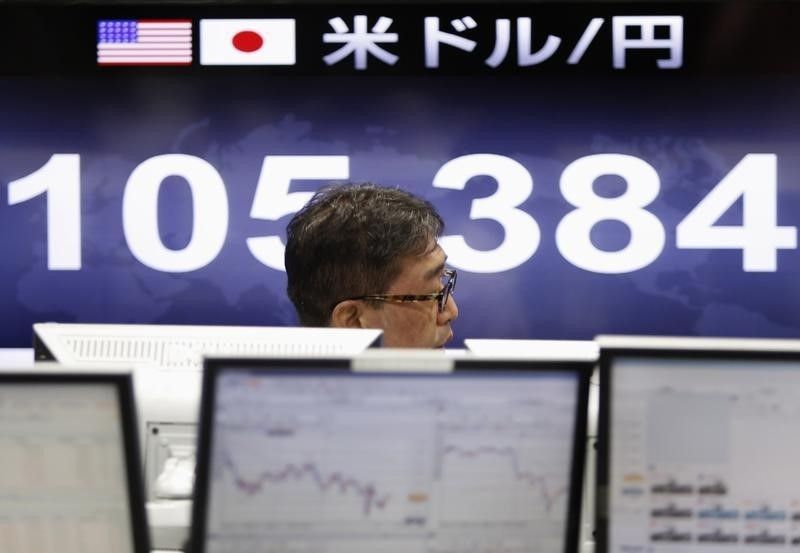
    The USD/JPY slipped 0.2% to 156.87 on Monday after earlier dropping as much as 0.5%, with the yen finding modest support from renewed intervention warnings by Japanese officials. While the currency remained broadly weak against the dollar, comments from Finance Minister Satsuki Katayama about close coordination with U.S. Treasury officials lent temporary relief.

    However, the yen continues to face pressure following Prime Minister Sanae Takaichi’s decisive election victory, which gives her coalition a supermajority in the lower house and a clearer path to expansionary fiscal plans. Concerns over stretched government spending have weighed heavily on the yen and previously triggered a sharp sell-off in Japanese government bonds. Analysts at OCBC noted that while a looser fiscal stance could further pressure the yen, the risk of official pushback is likely to rise as USD/JPY nears the 160 level.

    Dollar rebound eases as Asian FX trades quietly

    The dollar eased slightly in Asian trade, extending its pullback from last week’s near-98 highs, as traders stayed cautious ahead of key U.S. data, including nonfarm payrolls on Wednesday and CPI inflation on Friday. The releases are expected to shape expectations for U.S. interest rates under potential Fed leadership changes.

    Asian currencies were mostly rangebound. The Chinese yuan edged up, with USD/CNY down 0.1% and hovering near mid-2023 lows, supported by firm PBOC fixings ahead of Friday’s CPI data and the Lunar New Year. The Australian dollar rose 0.2% above $0.70 on bets of further RBA rate hikes after a hawkish move last week.

    Elsewhere, the Singapore dollar was flat, the Korean won weakened slightly, and the Indian rupee stayed above 90 per dollar following the RBI’s steady policy stance and upgraded forecasts.

    Sources: Ambar Warrick

  • Asia markets retreat on AI worries; KOSPI slides nearly 4%

    Asian stock markets declined on Thursday, pulling back from record highs reached earlier in the week, as heightened volatility in global technology shares and concerns over AI-driven disruption dampened investor sentiment.

    The retreat followed a sharp overnight selloff in U.S. technology stocks, with the Nasdaq underperforming broader market indexes. Meanwhile, U.S. stock index futures were largely flat during early Asian trading hours on Thursday.

    AI fears drag tech stocks lower

    The decline follows a volatile week for technology and semiconductor stocks, as rising concerns that rapid advances in artificial intelligence could disrupt established business models and squeeze profit margins prompted investors to take profits after a strong rally.

    South Korea’s benchmark KOSPI fell 3.7% after hitting record highs over the previous two sessions. Shares of Samsung Electronics and SK Hynix dropped more than 5% each as investors moved to lock in recent gains.

    In China, the blue-chip CSI 300 index and the Shanghai Composite both slipped nearly 1%. Hong Kong’s Hang Seng Index declined 1.2%, while the Hang Seng TECH Index fell 1.5%.

    Japanese stocks slip, earnings help stem losses

    Japanese equities edged lower on Thursday, with the Nikkei 225 slipping 1% from record highs reached earlier in the week as technology stocks followed overnight losses on Wall Street.

    The decline was cushioned by strong gains in select stocks. Panasonic shares surged after the company reported solid earnings and issued upbeat guidance, while Renesas Electronics jumped following the announcement that it will sell its timing business to U.S.-based SiTime in a deal valued at around $3 billion.

    The broader TOPIX index was largely unchanged, highlighting relative resilience outside the technology sector.

    Elsewhere in the region, Singapore’s Straits Times Index eased 0.4% after closing at a record high in the previous session. Australia’s S&P/ASX 200 also slipped 0.4%, tracking regional weakness as investors digested trade data released earlier in the day.

    Australia’s trade surplus widened less than expected in December, reflecting modest export growth and softer imports, which reinforced concerns over uneven global demand.

    Futures linked to India’s Nifty 50 were slightly lower, down 0.3%.

    Sources: Ayushman Ojha

  • Asian stocks mixed as Wall Street losses cool tech rally; KOSPI hits record

    Asian equity markets were mixed on Wednesday, with South Korean stocks climbing to a record high, though broader gains were limited as a rally in technology shares lost momentum following a weaker close on Wall Street.

    U.S. markets finished lower overnight, led by declines in the technology sector as concerns resurfaced over potential disruption stemming from the rapid pace of advancements in artificial intelligence.

    The Nasdaq underperformed broader market indexes, as investors adopted a cautious stance ahead of key earnings reports from major U.S. technology companies.

    Alphabet (NASDAQ: GOOGL) is set to release its results later on Wednesday, followed by Amazon (NASDAQ: AMZN) on Thursday, with both reports expected to serve as important gauges of demand for advertising, cloud services, and AI-related spending.

    Asian stocks mixed as South Korea’s KOSPI hits record high

    Asian markets were coming off a strong previous session, when equities rallied broadly across the region.

    South Korea’s KOSPI climbed nearly 1% on Wednesday to a record high of 5,361.85 points, after surging almost 7% the day before on strong gains in heavyweight chipmakers and technology stocks.

    Japan’s Nikkei 225 slipped 0.7% following a roughly 4% advance in the prior session.

    Sentiment toward artificial intelligence remained volatile, as overnight declines in U.S. technology shares weighed on regional peers and triggered some profit-taking after recent sharp rallies.

    Elsewhere in the region, China’s Shanghai Composite edged up 0.1%, while the blue-chip CSI 300 slipped 0.2%. Hong Kong’s Hang Seng fell 0.5%.

    Australia’s S&P/ASX 200 added 0.5%, Singapore’s Straits Times Index was flat, and futures for India’s Nifty 50 ticked higher. The Nifty surged nearly 3% on Tuesday after the U.S. signed a trade agreement with India that sharply reduced tariffs.

    Fed overhaul concerns persist as China services PMI comes into focus

    Investors also remained cautious over President Donald Trump’s nomination of former Federal Reserve governor Kevin Warsh as the next Fed chair.

    Warsh is widely regarded as having a hawkish policy stance, fueling concerns that U.S. interest rates may stay higher for longer.

    In China, a private-sector survey released on Wednesday showed that the services sector expanded in January at its fastest pace in three months.

    While the data provided some reassurance about underlying demand in the world’s second-largest economy, investor sentiment remained restrained amid ongoing concerns about uneven growth and subdued consumer confidence.

    Sources: Ayushman Ojha