Leverage is the use of borrowed resources (money or financial instruments) to increase exposure to an investment or activity, aiming to amplify potential returns.
Leverage = controlling a larger position with a smaller amount of your own capital
How it works
When a company or investor uses debt instead of only their own capital:
- If returns are higher than the cost of debt, leverage amplifies profits
- If returns are lower than the cost of debt, leverage amplifies losses
So leverage increases both opportunity and risk.
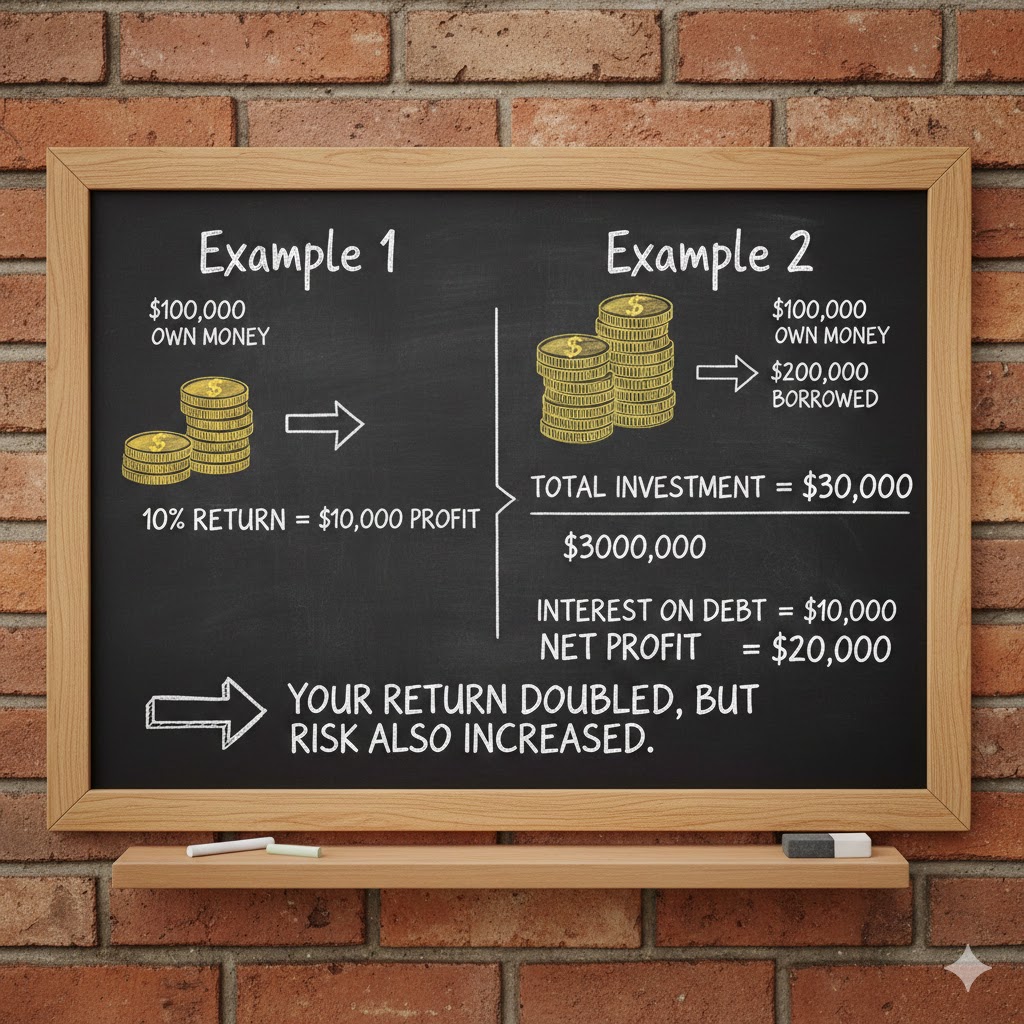
Where financial leverage is used
- Corporate finance (business expansion, acquisitions)
- Investment & trading (stocks, derivatives, forex, crypto)
- Real estate (mortgages)
- Private equity & IPO structuring
Key takeaway
Financial leverage magnifies outcomes:
higher leverage = higher potential return + higher risk.
Margin is the money you deposit with a broker to open and maintain a leveraged trading position.
Margin is a security deposit, not a fee, that allows you to trade a larger position than your actual cash.
How margin works
- You deposit a small amount of capital (margin)
- The broker allows you to control a larger position
- The remaining amount is effectively borrowed from the broker
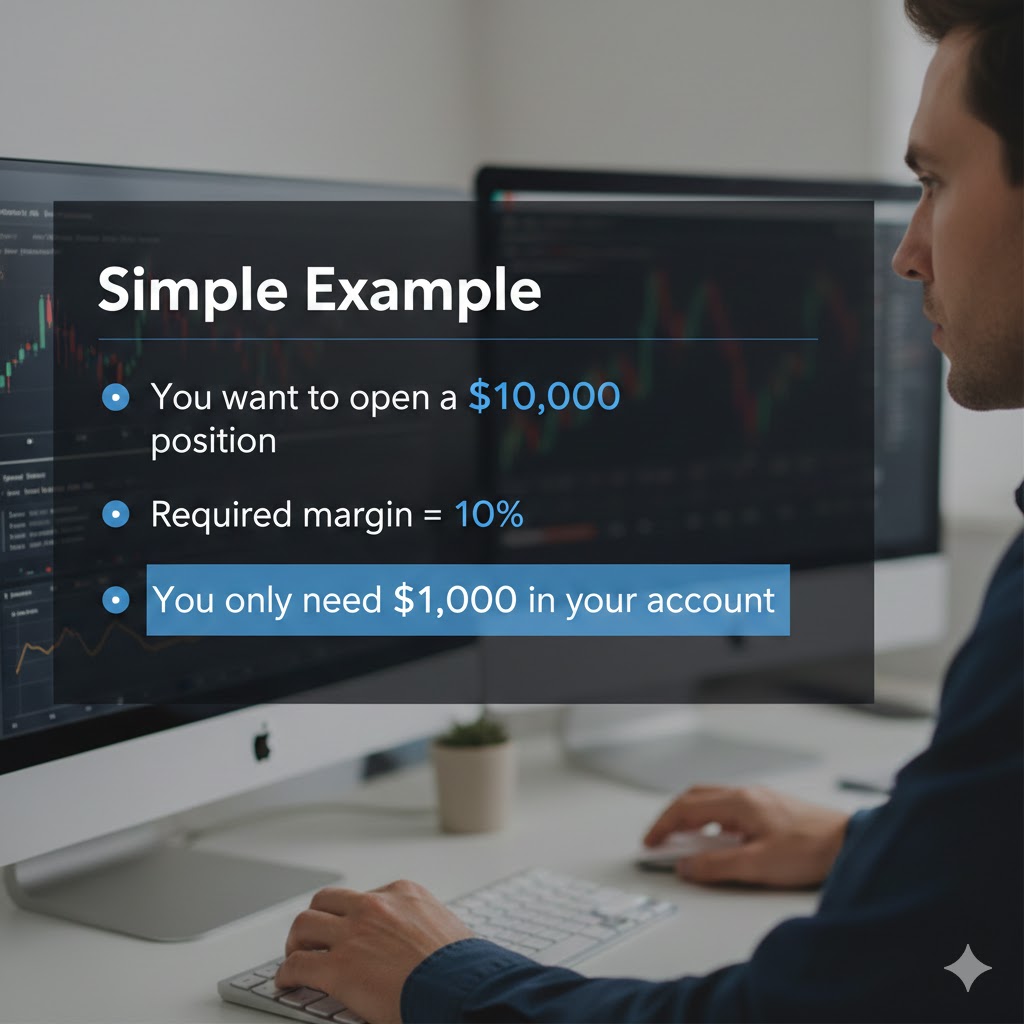
Key Margin Terms
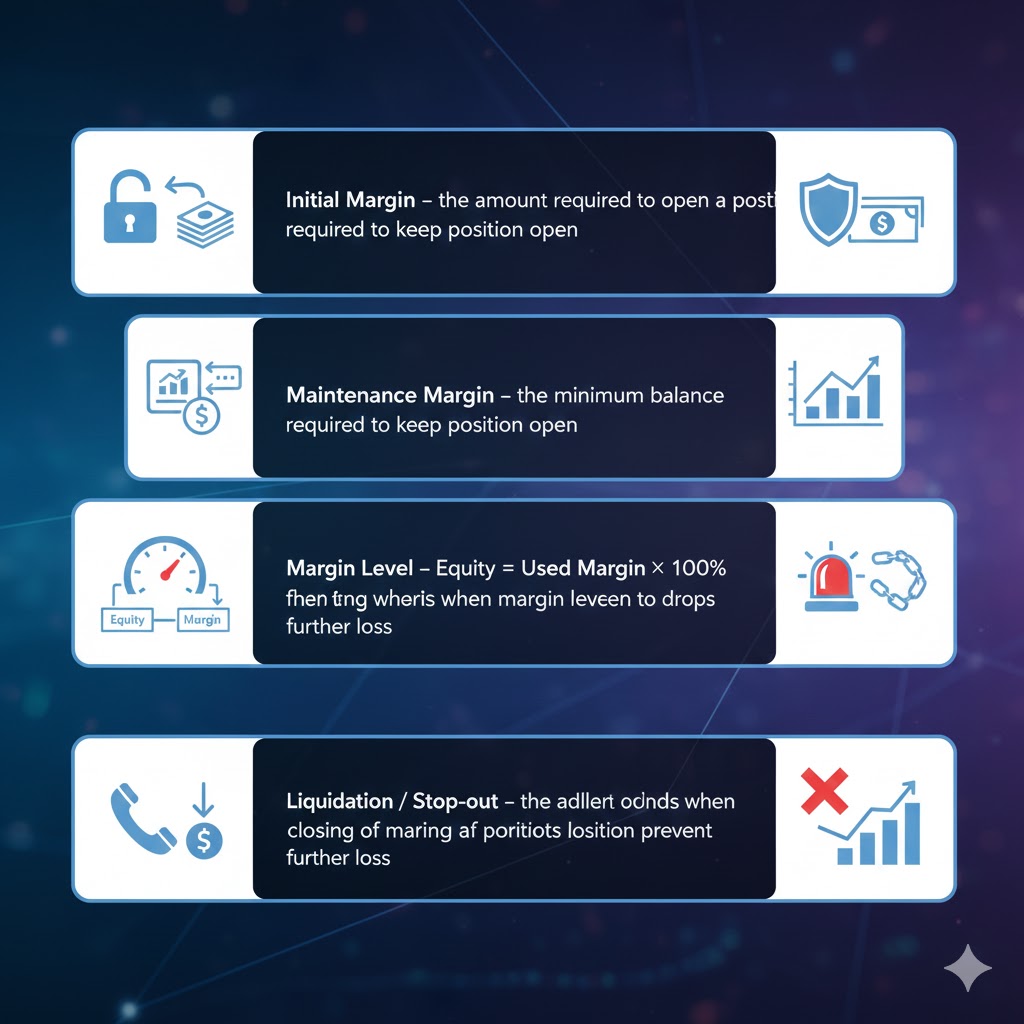
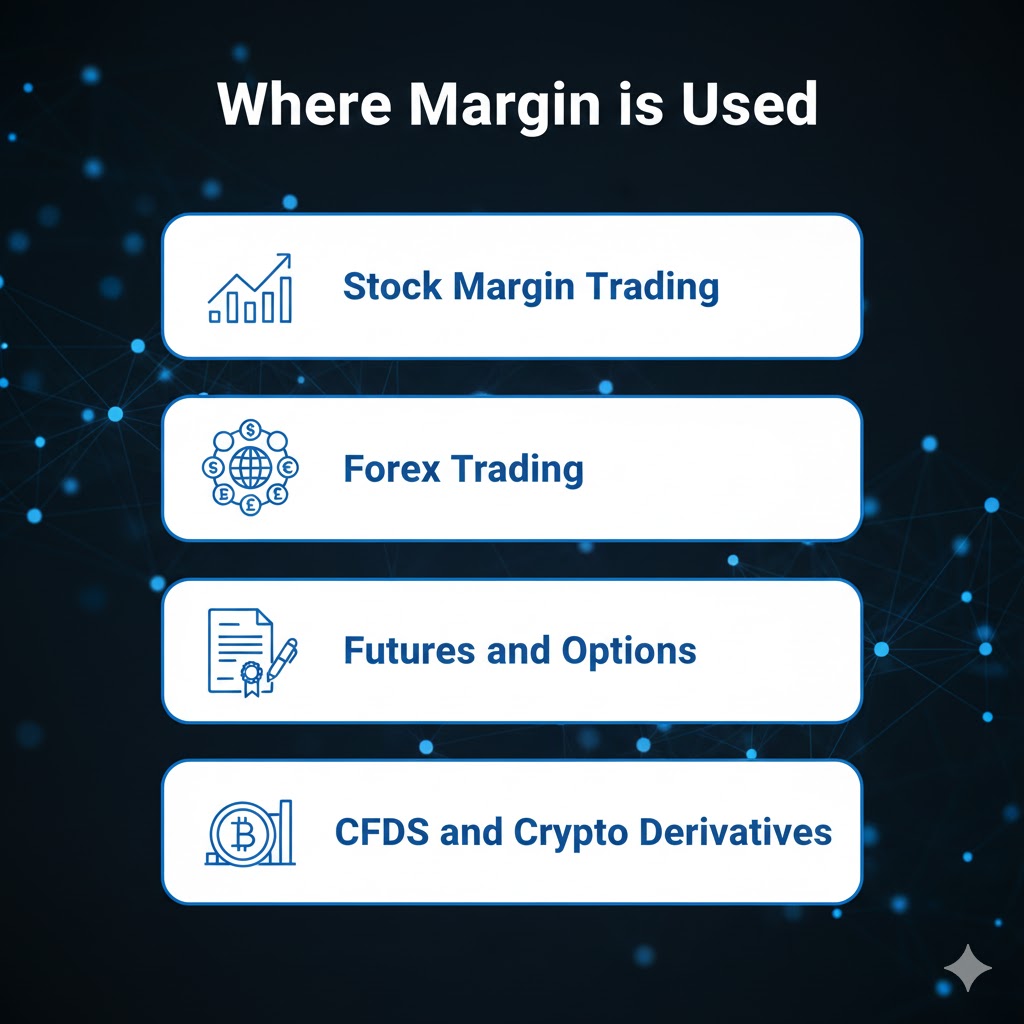
Key takeaway
Margin enables leverage, but poor margin management is the main cause of trading losses.
 THE ETERNAL SOVEREIGN