Oil prices edged higher during Asian trade on Tuesday, remaining just under the seven-month peaks reached in the prior session, as markets looked ahead to upcoming U.S.–Iran discussions later this week. Ongoing uncertainty surrounding trade tariffs continued to temper investor sentiment.
At 22:22 ET (03:22 GMT), Brent crude futures climbed 0.8% to $72.04 per barrel, while U.S. West Texas Intermediate (WTI) crude futures also advanced 0.8% to $66.81 per barrel.
Both benchmarks had approached seven-month highs in the previous session before ending slightly lower.
Market participants are holding back ahead of US – Iran talks scheduled for later this week.
Markets stayed tense ahead of a third round of nuclear talks between Washington and Tehran set for Thursday in Geneva. Strains have persisted since last week amid indications that the situation could escalate. The U.S. pulled some non-essential embassy staff from Beirut, underscoring concerns that diplomacy might collapse and spark conflict.
President Donald Trump warned in a social media post on Monday that it would be a “very bad day” for Iran if no agreement is reached.
“In the event of a deal, we would likely see a significant unwinding of the risk premium currently built into prices — though securing such an agreement is far from straightforward,” analysts at ING noted.
A failure in negotiations could heighten worries about stricter sanctions enforcement or potential disruptions in the Strait of Hormuz, a crucial corridor for global crude shipments. Fears of a possible military clash contributed to a 6% surge in oil prices last week.
Tariff tensions under Donald Trump weigh on demand outlook
Oil markets are also contending with wider macro uncertainty after the Supreme Court of the United States invalidated an earlier round of tariffs introduced under emergency powers.
Donald Trump has since sought to reinstate duties of up to 15% using alternative legal provisions and cautioned that countries that “play games” in trade negotiations with the U.S. could be hit with steeper tariffs.
The risk of renewed trade tensions has darkened the global growth and fuel demand outlook, limiting oil’s advance even as geopolitical concerns continue to lend support to prices.
The U.S. House of Representatives on Tuesday narrowly defeated a push by Republican leaders to prevent lawmakers from challenging President Donald Trump’s tariffs, voting 217-214. The outcome could allow Democrats to move forward with efforts to overturn the trade measures.
Three Republicans sided with all 214 Democrats in opposing the proposal, which sought to bar any tariff-related challenges until July 31. The restriction had been folded into a procedural resolution meant to advance debate on three separate, unrelated bills.
The setback marks a notable blow to House Speaker Mike Johnson, who oversees a razor-thin 218-214 Republican majority, leaving virtually no margin for dissent on party-line votes. With Democrats united in opposition, Johnson can afford to lose no more than one Republican on any given measure.
In the wake of the vote, Democrats could push for a House vote as soon as Wednesday to end Trump’s reliance on a national security emergency declaration to justify tariffs on Canada and other key U.S. allies. They have also drafted additional resolutions aimed at blocking tariffs on Mexico and several other nations.
Republicans had enforced procedural rules since March of last year to shield the tariffs from legislative challenges, extending them through January. However, the latest extension lapsed amid internal GOP resistance, as some members raised concerns about the economic burden on American households and businesses reliant on global trade.
The vote came as Supreme Court Justice Ketanji Brown Jackson signaled that the Court will need additional time to rule on the legality of Trump’s tariff policies.
U.S. President Donald Trump has signed legislation bringing the government shutdown to an end, an outcome that markets largely took in stride given how routine such episodes have become.
However, UBS Chief Economist Paul Donovan noted that Democrats have coalesced in opposition to confirming former Federal Reserve Governor Kevin Warsh as the next Fed chair until the administration’s legal challenge involving the Fed is resolved. This impasse raises the possibility that Chair Jerome Powell could remain in office beyond May.
Resolution of the government shutdown influences market conditions.
Government dysfunction in the U.S. has become so routine that financial markets largely ignored it.
Democrats have indicated they will block the confirmation of former Federal Reserve Governor Warsh as the next Fed chair unless the administration halts its legal actions against the Federal Reserve.
While this outcome was widely anticipated, it increases the likelihood that Chair Powell could remain as FOMC chair—though not as Chair of the Board of Governors—beyond May.
President Donald Trump once again surprised markets by announcing an increase in tariffs on South Korea to 25% from 15%, citing Seoul’s failure to implement a trade agreement reached last July. The move targets sectors such as autos, lumber, and pharmaceuticals, yet South Korean equities ended up surging 2% to fresh record highs. The KOSPI initially slid more than 1%, but the dip quickly attracted buyers seeking exposure to Asia’s strongest-performing equity market of 2025.
With South Korea’s industry minister set to travel to Washington, investors appear to be betting on a negotiated climbdown, reviving the popular “TACO” trade—Trump Always Chickens Out. Few are surprised that Seoul has been reluctant to commit massive U.S. investments while the risk of abrupt tariff threats remains a defining feature of the administration.
Tariff uncertainty also boosted demand for precious metals, pushing gold and silver back toward record levels. Gold rose 1% to $5,063 an ounce, while silver jumped 5% to $109 an ounce.
Asian equities were broadly firmer, supported by optimism that blockbuster earnings from the U.S. “Magnificent Seven,” beginning with Meta, Microsoft and Tesla later this week, will help sustain the global equity rally into 2026. MSCI’s Asia-Pacific index excluding Japan climbed 1% to a new high, while Japan’s Nikkei added 0.7%, even as the yen hovered near a two-month peak—normally a headwind for exporters.
European equities are poised for a firmer open, with EURO STOXX 50 futures up 0.3%. U.S. futures are also higher, as Nasdaq futures climb nearly 0.6% and S&P 500 futures rise 0.3%. The global economic calendar remains relatively quiet ahead of Wednesday’s Federal Reserve policy decision, at which interest rates are widely expected to be left unchanged. Nevertheless, the meeting is likely to be dominated by the Justice Department’s investigation into Fed Chair Jerome Powell, adding extra scrutiny to his post-meeting press conference. Any indication that Powell may choose to remain on the Fed’s board after his term ends in May—a move permitted under Fed rules—could provoke an unpredictable reaction from President Trump.
Geopolitical tensions are rising as President Trump moves ahead with threats to levy tariffs on eight NATO allies while continuing his push regarding Greenland. Although overall markets have weakened, these frictions may spur higher defense budgets, accelerated resource reshoring, and expanded infrastructure investment. Below, we identify five U.S.-based companies that stand to gain from the intensifying U.S.–NATO standoff.
As tensions between the U.S. and NATO escalate over fresh tariffs and Greenland’s strategic resource base, defense, mining, and industrial shares appear well positioned for a strong upswing. Against this backdrop, five companies stand out—Lockheed Martin (NYSE:LMT), RTX (NYSE:RTX), Critical Metals (NASDAQ:CRML), Teck Resources (NYSE:TECK), and Caterpillar (NYSE:CAT). Each is set to benefit from increased U.S. defense spending, intensifying competition for Arctic resources, and ongoing efforts to shift supply chains away from Europe and China.
Lockheed Martin: A Leader in Arctic Defense Capabilities
Lockheed Martin appears to be among the primary beneficiaries of rising U.S.–NATO tensions, particularly as Greenland’s strategic value elevates the need for enhanced Arctic defense capabilities. The company’s advanced military platforms and surveillance systems are well suited to the region’s demanding operational environment.
Its F-35 fighter aircraft, along with missile defense and radar solutions such as the “Golden Dome,” play a central role in Arctic security, where Greenland’s geographic position strengthens U.S. monitoring capacity and deterrence against potential Russian and Chinese advances.
So far in 2026, Lockheed Martin’s shares are up roughly 19% year to date, supported by President Trump’s proposed $1.5 trillion defense budget for 2027, which points to expanded procurement activity. In periods of sustained geopolitical strain, investors typically favor companies with stable revenues and long-term contracts. Against this backdrop, Lockheed’s robust order backlog, strong free cash flow generation, and reliable dividend profile position it as a traditional “geopolitical hedge” stock.
RTX: Rising Demand Across Aerospace and Missile Systems
RTX, formerly known as Raytheon, stands out as a key beneficiary due to its broad defense technology portfolio tailored to the demanding requirements of Arctic environments. The company’s missile defense and advanced radar solutions are central to securing and monitoring strategically vital regions such as Greenland.
In particular, RTX’s Patriot missile defense system is regaining prominence as governments prioritize battle-tested platforms capable of operating in extreme climates while defending against increasingly sophisticated threats.
RTX shares are up about 7% year to date in 2026, following a strong 60% advance in 2025, with a record backlog of $251 billion underpinning continued momentum.
Looking ahead through the rest of 2026, RTX remains attractive amid rising orders from the Middle East, its inclusion in leading defense-focused ETFs, and expectations for roughly 20% earnings growth.
Critical Metals controls the Tanbreez project in Greenland, the largest non-Chinese rare earth deposit globally, directly linking the company to U.S. strategic resource objectives. Heightened geopolitical tensions could accelerate Washington’s push to secure access to these materials, which are essential for defense systems, missile technologies, and electric vehicles—reducing reliance on China and enhancing CRML’s strategic importance.
In addition, the company’s proprietary rare earth processing capabilities and its focus on North American operations position it to benefit from government initiatives aimed at strengthening domestic critical-materials supply chains and expanding strategic mineral stockpiles.
CRML shares have surged nearly 150% so far in 2026, propelled by strong high-grade drilling results and regulatory approval for its pilot processing plant in Greenland.
While the stock carries elevated risk, it offers substantial upside potential this year, with the possibility of capturing up to 50% of the Western rare earth supply. Despite ongoing volatility, secured offtake agreements and heightened U.S. national security priorities support the bullish case, with the stock still trading at an estimated 22% discount to net present value.
Teck Resources: A Global Metals and Mining Leader
Teck Resources is a leading diversified mining company with significant exposure to steelmaking coal, copper, zinc, and other essential industrial metals. While its operations are not exclusively Arctic-centric, Teck’s asset base firmly places it within the strategic raw materials space that underpins infrastructure development, defense manufacturing, and the global energy transition.
Should 2026 be marked by robust commodity demand, sustained decarbonization spending, and intensifying geopolitical rivalry, diversified miners such as Teck are well positioned to benefit from favorable pricing dynamics and rising shipment volumes.
TECK shares are up roughly 5% year to date, notching fresh 52-week highs as copper prices rally and investors rotate into the materials sector.
Looking ahead, Teck presents a compelling copper-focused opportunity, with its merger with Anglo American set to create a top-five global producer, unlock an estimated $800 million in synergies, and benefit from AI-driven demand growth. Analyst price targets in the $80–90 range are underpinned by structural supply constraints and sustained long-term commodity demand.
Caterpillar – Infrastructure & Arctic Expansion
Caterpillar stands out as a key beneficiary through its portfolio of heavy machinery and construction equipment critical to Arctic infrastructure expansion, including military installations, transportation networks, and mining projects.
Its specialized cold-weather and Arctic-rated equipment gives Caterpillar a distinct advantage in supporting development across Greenland and other high-latitude regions that gain strategic relevance amid heightened geopolitical tensions.
CAT shares are up roughly 10% year to date in 2026, building on a strong 58% gain in 2025, supported by a record backlog of $39.9 billion.
Looking ahead, Caterpillar remains a solid hold for 2026, with earnings per share projected to grow about 20.5%, aided by continued spending under the U.S. Infrastructure Act and expanding construction tied to AI-driven data center development.
Roughly $700 billion is the price tag now being discussed for a potential acquisition of Greenland, according to recent reports.
Skepticism is warranted. A transaction of that magnitude seems highly unlikely, particularly given that it would exceed half of the U.S. Defense Department’s entire 2024 budget. Public sentiment also appears far from supportive, despite President Donald Trump’s assertion that “anything less than full U.S. control of Greenland is unacceptable.”
Polling suggests little domestic support in the United States for the idea, whether pursued diplomatically or by force. A recent YouGov survey found that just 13% of Americans support compensating Greenland’s residents to join the U.S., while only 8% favor acquiring the island through military means.
Sentiment in Greenland is similarly resistant, with an overwhelming majority unwilling to leave the Danish realm, and opposition across Europe—particularly in Denmark—remains firm.
That said, dismissing Greenland’s significance altogether would be a mistake.
Why Greenland Matters—Even Without a Sale
Positioned between North America, Europe, and Russia, Greenland hosts the Pituffik Space Base, a critical site where the U.S. Space Force monitors potential threats traversing the Arctic and the North Pole.
This role has grown increasingly significant as Arctic ice continues to recede. Satellite data show that summer sea ice has been declining by more than 12% per decade—roughly 33% since 1984—opening new shipping routes and reshaping both military and commercial dynamics. As I noted last year, the Arctic is becoming not only more accessible, but also more investable.
Denmark clearly recognizes Greenland’s growing importance. The kingdom has pledged more than $4 billion toward Arctic and North Atlantic defense through 2033, coordinating closely with NATO allies. Danish and allied air, naval, and ground forces are increasing their presence on and around the island, with exercises focused on protecting critical infrastructure and conducting fighter operations in Arctic conditions. At the same time, Denmark’s Chief of Army Command, Peter Boysen, has openly discussed the need for a stronger boots-on-the-ground posture.
The Tough Realities of Developing Greenland
Greenland’s resource base adds another layer of significance. The island holds substantial deposits of iron ore, copper, zinc, graphite, tungsten, and other minerals.
Most attention, however, centers on rare earth elements (REEs)—critical materials used in technologies ranging from smartphones and fighter jets to missile guidance systems. According to the Center for Strategic and International Studies (CSIS), Greenland currently ranks eighth worldwide in proven rare earth reserves, with the potential to climb higher as exploration continues.
From a miner’s perspective, the resource potential looks compelling. In reality, however, development would be slow, complex, and highly capital-intensive.
Greenland spans an area roughly three times the size of Texas, yet it has fewer than 100 miles of roads—and none connect one town to another. Energy infrastructure is sparse, transportation costs are steep, and many mineral deposits are associated with uranium, which Greenland prohibited from mining in 2021 following strong local opposition.
In this sense, Greenland is often mischaracterized in much the same way as Venezuela. Both are portrayed as resource-rich prizes ready for rapid exploitation—rare earths in Greenland’s case, oil in Venezuela’s—but the reality is that unlocking these assets would require billions of dollars and many years of sustained investment. Illustrating the challenge, Wood Mackenzie notes that only 25 hydrocarbon exploration wells have ever been drilled in Greenland, none of which have resulted in commercial success. Neither region should be viewed as a quick path to easy riches.
China’s Efforts to Establish a Presence in Greenland Have Fallen Short
China is well aware of Greenland’s strategic and resource significance. Over the past decade, Beijing has sought to establish a presence through airport construction proposals, infrastructure investments, scientific research initiatives, and other channels.
Most of these efforts, however, have been blocked on national security grounds by either Denmark or the United States. In 2016, for example, a Chinese mining firm’s attempt to purchase a former U.S. naval base in Greenland was stopped. Two years later, China’s state-owned China Communications Construction Company (CCCC) pursued a $550 million contract to expand several Greenlandic airports, but then–U.S. Secretary of Defense James Mattis successfully urged Denmark to withdraw the bid.
So What’s Driving Trump’s Interest in Greenland?
Having said all that, why does President Trump want Greenland so badly (other than as retribution for not being awarded the Nobel Peace Prize)?
He insists it’s for national security, but, as I mentioned earlier, the U.S. military already has broad access to the island, as spelled out in the 1951 agreement signed by the U.S. and Denmark.
Further, Greenland is under the protection of NATO, of which the U.S. is a member. If Russia or China tried to attack it, Article 5 of the treaty would be triggered, activating NATO forces.
Recent reporting suggests that some of Trump’s wealthiest backers see Greenland not as a military outpost or mining play, but as a blank slate. According to Reuters, influential tech investors—including Peter Thiel and Marc Andreessen—have pitched the idea of turning parts of Greenland into a so-called “freedom city,” offering a low-regulation, quasi-autonomous hub for next-gen technologies.
Another explanation? Trump’s reaffirmation of the Monroe Doctrine, which the White House has dubbed the “Trump Corollary” or “Donroe” Doctrine. As stated in the president’s December 2 proclamation, the “American people—not foreign nations nor globalist institutions—will always control their own destiny” in the Western Hemisphere. Denmark, notably, sits in the Eastern Hemisphere.
Japan’s Gold Reserves Reach a New Record High
To conclude, central banks worldwide continue to accumulate gold as a means of supporting their currencies and reducing reliance on the U.S. dollar.
While emerging markets have driven the bulk of gold purchases over the past decade, several advanced economies have also increased their holdings. According to The Kobeissi Letter, Japan’s gold reserves reached a new record in 2025, rising to approximately $120 billion—an increase of roughly 60% compared with the previous year.
According to data from the World Gold Council (WGC), Japan now holds the world’s ninth-largest gold reserves, excluding the International Monetary Fund.
As I’ve noted previously, the actions of major institutions underscore a clear recognition of the value of hard assets like gold. For that reason, I continue to advocate allocating around 10% of a portfolio to gold, divided evenly between physical bullion and high-quality gold mining equities, with positions rebalanced annually.
All views expressed and information provided are subject to change without prior notice and may not be suitable for all investors. Links provided may direct you to third-party websites; U.S. Global Investors does not endorse and is not responsible for the accuracy or content of these external sources.
I’m not concerned about a negative market reaction at the open tied to headlines about President Trump’s interest in Greenland, as my exposure to gold stocks provides protection. Gold is surging today as a classic safe haven, offering an oasis amid uncertainty. There are always opportunities in the market, and some assets move counter to broader market swings—gold being a prime example. Among the gold names I favor are Kinross Gold, Agnico Eagle Mines, Alamos Gold, Coeur Mining, Caledonia Mining, Eldorado Gold, Idaho Strategic Resources, New Gold, OR Royalties, and SSR Mining.
I also view any pullback in high-quality technology stocks—particularly those linked to data centers and semiconductors—as a buying opportunity. Investors should not be distracted by short-term volatility or headline noise, as the U.S is simply reaffirming its global leadership position. Preferred names in the semiconductor and data center space include Bloom Energy, Power Solutions International, Comfort Systems, Vertiv Holdings, EMCOR Group, GE Vernova, and Ubiquiti.
Meanwhile, rising geopolitical uncertainty has given so-called bond vigilantes an opening to push global bond yields higher. Japan, the UK, and France remain especially vulnerable due to demographic headwinds that could constrain their ability to service government debt. U.S. Treasury yields have also moved higher, but for fundamentally stronger reasons: higher real rates, solid economic growth, and more favorable demographics relative to other developed economies. As global markets adjust to the reality of President Trump’s long-term ambitions, I expect the U.S dollar to strengthen and the 10-year Treasury yield to retreat toward 3.5% from its recent level near 4.3%.
The World Economic Forum is getting underway this week in Davos, Switzerland, with BlackRock CEO Larry Fink serving as an interim co-chair. Given BlackRock’s recent shift away from ESG and other themes long promoted at Davos, it remains to be seen whether Fink will face criticism from fellow participants. President Trump is scheduled to address the forum on Wednesday, where he is expected to outline his vision for global peace and prosperity, while also stressing the need for the U.S. to confront what he describes as destabilizing forces, including the Iranian regime.
California Governor Gavin Newsom is also expected to speak in Davos, where he plans to argue that President Trump’s economic agenda has underperformed—an argument that may prove difficult amid reports of roughly 5% GDP growth.
Heightened controversy surrounding the U.S. push to purchase Greenland from Denmark has effectively turned Davos into an emergency diplomatic gathering, with President Trump set to hold meetings with NATO allies. Italian Prime Minister Giorgia Meloni has offered to help mediate the Greenland discussions. Meanwhile, Trump has publicly criticized French President Emmanuel Macron and reportedly disclosed private communications in an attempt to highlight France’s handling of Syria. Known for his confrontational negotiating style, President Trump’s approach is likely to draw close scrutiny as European leaders assess how to respond.
Few analysts had a U.S. invasion of Greenland anywhere near the top of their 2026 market outlooks. President Trump’s surprise weekend tariff move has triggered a classic risk-off reaction, with gold rallying around 2%, equities down 1.0–1.5%, and the dollar coming under modest pressure. This week’s World Economic Forum in Davos is now set to become a focal point for U.S.–European diplomacy, with elevated FX volatility likely.
USD: Too Early to Embrace the ‘Sell America’ Narrative
Washington escalated its pursuit of Greenland over the weekend, with the threat of 10% tariffs—potentially rising to 25%—on eight European countries appearing consistent with a broader “maximum pressure” strategy to force a deal. Political commentary in Europe suggests this could mark the end of the EU’s long-standing policy of accommodation toward the U.S., with France emerging as a key advocate for deploying the EU’s Anti-Coercion Instrument, which allows for retaliatory measures spanning tariffs, taxation, and investment restrictions against coercive trade actions.
The issue, alongside growing concerns about strains within NATO, is set to dominate the policy agenda in a week that might otherwise have focused on Ukraine. President Donald Trump is scheduled to speak at the World Economic Forum in Davos on Wednesday, followed by an EU leaders’ meeting on Thursday. A central question is whether Europe adopts China’s approach from last year—matching U.S. tariffs one-for-one—to ultimately force a de-escalation from Washington.
Initial market reactions have been cautious but telling: gold has gapped roughly 2% higher, German DAX futures are down around 1.5%, and the U.S. dollar is marginally weaker. While U.S. cash markets are closed for the Martin Luther King Jr. holiday, S&P 500 futures are indicating losses of about 0.8%. Still, it may be premature to revive the “Sell America” narrative. As with last April’s near-50% “Liberation Day” tariff threats, investors appear reluctant to chase what often proves to be aggressive rhetoric that ultimately gives way to diplomatic negotiation.
Nonetheless, these developments are likely to inject a degree of volatility into what has otherwise been a relatively calm investment environment. On the broader “Sell America” theme, we noted on Friday that there was little concrete evidence of meaningful de-dollarisation last year. Even in a scenario where geopolitical tensions were to escalate materially, it appears unlikely that the dollar would experience a sell-off on the scale of last year’s near-10% decline, particularly given that the buy-side was then unusually under-hedged in U.S. dollar exposure.
Beyond the Greenland issue, this week may also bring clarity on the future leadership of the Federal Reserve. President Trump could announce his nominee to succeed Jerome Powell as Fed Chair. The dollar rallied on Friday after reports suggested Trump wants Kevin Hassett to remain at the National Economic Council, with Kevin Warsh now viewed as the leading candidate—an outcome that would be modestly supportive for the dollar if confirmed.
Overall, U.S. economic data are likely to take a back seat to political developments in the coming days. In the near term, the dollar may probe lower levels. For DXY, gap resistance around 99.35 could cap upside, while a corrective move toward the 98.80–98.85 zone remains the mild tactical bias.
EUR: Unwelcome Developments
The renewed tensions surrounding Greenland and the prospect of fresh tariffs are particularly negative for European industry. This comes just as industrial confidence had begun to recover, with firms appearing to have adapted to last year’s tariff-related volatility. The latest developments are likely to sharpen the focus among European policymakers on boosting domestic demand and may even add momentum to long-delayed reforms such as the Savings and Investment Union, aimed at strengthening Europe’s capital markets and enhancing their competitiveness relative to the U.S.
In FX markets, EUR/USD has established support just below 1.1600. Initial intraday resistance is seen near 1.1650, with scope for a move toward the 1.1690–1.1700 area if that level is cleared. Short-dated implied volatility for EUR/USD, both one-week and one-month, has edged higher, reflecting the elevated uncertainty surrounding the week ahead.
GBP: Poised for Relative Outperformance This Week
We believe this week’s U.K. data — November employment figures and December CPI — may offer modest support to sterling, potentially extending the short-covering rally that has been underway since late November. While EUR/GBP was initially seen as the more vulnerable cross, with downside risks toward 0.8600, early-week dollar softness could shift the bulk of the move into GBP/USD. A sustained break above the 1.3415–1.3420 zone would open scope for a move toward 1.3450–1.3460.
That said, sterling historically underperforms during pronounced risk-off phases, and the current environment remains fluid with multiple cross-currents at play.
Futures tied to major U.S. stock indexes fell after President Donald Trump raised the prospect of imposing tariffs as part of his push to acquire Greenland. European leaders discussed possible retaliation against the measures, which they described as a form of blackmail. Gold climbed to a fresh record high, while oil prices edged lower as traders assessed Trump’s remarks and the EU’s response. Elsewhere, China’s economic growth slowed in the fourth quarter but still met Beijing’s 2025 target.
U.S. futures and global stocks decline
U.S. stock futures pointed lower on Monday as investors weighed President Donald Trump’s threat to impose tariffs on several European countries until the United States is allowed to acquire Greenland.
By 03:05 ET (08:05 GMT), Dow futures were down 404 points, or 0.8%, S&P 500 futures had fallen 66 points, or 1.0%, and Nasdaq 100 futures were off 336 points, or 1.3%.
With U.S. cash markets closed for the Martin Luther King Jr. Day holiday, the immediate reaction to Trump’s latest tariff threat will be delayed. Risk-off sentiment has spread globally, dragging equities lower across Europe and Asia.
ING analysts said Trump’s comments, following last year’s sweeping global tariffs, have pushed trade tensions into “an entirely new dimension,” driven less by economic considerations and more by political motives. They added that while past experience suggests caution in reacting to dramatic announcements, some of Trump’s threats over the past year have ultimately been carried out.
Focus on Trump’s Greenland tariffs
European leaders agreed on Sunday to intensify efforts to counter President Donald Trump’s tariff threats, with reports suggesting EU officials are considering strong retaliatory measures if the levies are imposed.
On Saturday, Trump said he would introduce 10% tariffs on exports from eight European countries—Denmark, Sweden, France, Germany, the Netherlands, Finland, Norway and the United Kingdom—until the United States is able to acquire Greenland. He added that the tariffs would be raised to 25% if the purchase of the semi-autonomous Danish territory does not go ahead. Trump has framed the move as a national security necessity, a claim European governments have rejected, describing it as blackmail.
Ahead of an emergency EU summit in Brussels on Thursday, member states are expected to debate a range of responses, including a potential €93 billion tariff package on U.S. imports and the possible use of the bloc’s “Anti-Coercion Instrument,” which could restrict U.S. access to investment, banking and services markets. Reuters, citing an EU source, reported that the tariff package currently has broader backing.
Trump’s latest tariff threat has also cast doubt over the future of a U.S.–EU trade agreement reached last year, with EU officials saying they cannot approve the deal while Washington pursues control of Greenland. ING analysts said that while the outcome of the dispute remains uncertain, it underscores the lack of predictability in global trade and tariff policy.
Gold reaches record high
Gold prices climbed to record highs in Asian trade on Monday, nearing $4,700 an ounce, as investors rushed into safe-haven assets following President Trump’s latest tariff threat.
Spot gold rose 1.6% to $4,667.33 an ounce by 02:26 ET (07:26 GMT), after earlier touching a record $4,690.75. U.S. gold futures also hit a new peak at $4,697.71 an ounce.
Silver prices surged more than 4% to a fresh all-time high of $94.03 an ounce, supported by safe-haven demand as well as its role as an industrial metal.
Oil prices edge lower
Oil prices edged lower, giving back part of last week’s gains as markets weighed the growing risk of a trade dispute linked to Greenland. Brent crude slipped 0.1% to $59.74 a barrel, while U.S. West Texas Intermediate fell 0.1% to $55.95.
Crude had rallied early last week on concerns that unrest in Iran could threaten oil supplies from the Middle East, a region that accounts for a significant share of global output. Much of that risk premium faded after President Trump ruled out immediate U.S. military action, leading prices to pull back before stabilizing toward the end of the week.
China’s economy meets 2025 growth target
China’s economy grew slightly more than expected in the fourth quarter of 2025, data released on Monday showed, as policy stimulus and a pickup in consumption helped the country meet its annual growth target.
Gross domestic product rose 4.5% year on year in the October–December period, in line with forecasts but down from 4.8% in the previous quarter, marking the slowest pace in three years. On a quarter-on-quarter basis, GDP expanded 1.2%, marginally above expectations of 1.1%.
The result brought full-year 2025 growth to 5%, meeting Beijing’s target. The government is widely expected to set a similar 5% growth goal again, as it continues to face heightened U.S. trade tensions, weak consumer demand and a prolonged property sector downturn.
Canada and China reached a preliminary trade agreement on Friday to sharply reduce tariffs on electric vehicles and canola, pledging to dismantle trade barriers and deepen strategic cooperation during Prime Minister Mark Carney’s visit.
On his first trip to China since 2017 by a Canadian prime minister, Carney aims to repair relations with Canada’s second-largest trading partner after the United States, following months of diplomatic outreach.
Canada will initially permit imports of up to 49,000 Chinese electric vehicles at a 6.1% most-favoured-nation tariff, Prime Minister Mark Carney said following talks with Chinese leaders, including President Xi Jinping.
The move marks a sharp reversal from the 100% tariff imposed on Chinese EVs in 2024 under former Prime Minister Justin Trudeau, in line with similar measures taken by the United States. China shipped 41,678 electric vehicles to Canada in 2023.
“This restores access to levels seen before the recent trade disputes, but within a framework that offers significantly more benefits for Canadians,” Carney said, adding that the import quota would be expanded gradually to around 70,000 vehicles over the next five years.
“To build a globally competitive electric vehicle industry, Canada must learn from innovative partners, gain access to their supply chains, and stimulate domestic demand,” Carney said, distancing himself from former prime minister Justin Trudeau’s view that tariffs were necessary to shield local manufacturers from subsidised Chinese competitors.
Canada’s decision to ease EV tariffs runs counter to U.S. policy, drawing criticism from some members of President Donald Trump’s cabinet ahead of a planned review of the U.S.–Canada–Mexico trade agreement. However, Trump himself voiced support for Carney’s approach.
“That’s exactly what he should be doing. Signing trade deals is good for him. If you can strike a deal with China, you should take it,” Trump said at the White House.
AGRI-FOOD PARTNERSHIP: Ontario Premier Doug Ford denounces the deal.
“The federal government is effectively opening the door to a surge of low-cost Chinese-made electric vehicles without firm assurances of comparable or timely investment in Canada’s economy, auto industry, or supply chains,” Ford said in a post on X.
China imposed retaliatory tariffs in March on more than $2.6 billion worth of Canadian agricultural and food exports — including canola oil and meal — in response to tariffs introduced by Trudeau. Additional duties on canola seed followed in August.
As a result, China’s imports of Canadian goods fell by 10.4% in 2025.
Under the new agreement, Canada expects China to cut tariffs on canola seed to a combined rate of around 15% by March 1, down from 84%, Carney said. He added that discriminatory tariffs on Canadian canola meal, lobsters, crabs and peas are also expected to be lifted from March 1 through at least the end of the year.
Canadian canola futures climbed.
The agreements are expected to generate nearly $3 billion in export orders for Canadian farmers, fishers and food processors, Carney said.
China’s Ministry of Commerce said it would adjust anti-dumping duties on canola and lift anti-discrimination measures on certain Canadian agricultural and seafood products, citing Canada’s decision to lower tariffs on electric vehicles.
Carney added that President Xi Jinping had agreed in principle to grant visa-free travel for Canadians visiting China, though further details were not provided.
In a statement released by state-run Xinhua, the two countries said they would resume high-level economic and financial talks, expand trade and investment, and deepen cooperation in sectors including agriculture, oil, gas and green energy.
Carney said Canada plans to double the size of its power grid over the next 15 years, creating potential opportunities for Chinese investment, including in offshore wind projects. He also said Canada is ramping up liquefied natural gas exports to Asia, with annual production set to reach 50 million tonnes by 2030, all of which will be shipped to Asian markets.
Carney says China has become “more predictable”
Given the growing complications in Canada’s trade relationship with the United States, it is unsurprising that Carney’s government is seeking to strengthen trade and investment ties with Beijing, which offers a vast market for Canadian agricultural exports, said Even Rogers Pay of Beijing-based consultancy Trivium China.
U.S. President Donald Trump has imposed tariffs on certain Canadian goods and has even suggested that the longtime U.S. ally could become America’s 51st state. China, which has also been targeted by Trump’s tariffs, is eager to deepen cooperation with a G7 country traditionally seen as part of the U.S. sphere of influence.
Asked whether China had become a more predictable and reliable partner than the United States, Carney said recent engagement with Beijing had delivered greater clarity and tangible outcomes. “Looking at how our relationship with China has evolved in recent months, it has become more predictable, and we are seeing results from that,” he said.
Carney added that he had also discussed Greenland with President Xi Jinping, saying the two leaders found their views broadly aligned. Trump has recently revived his claim to the semi-autonomous Danish territory, prompting NATO members to push back against U.S. criticism that Greenland is insufficiently defended.
Analysts said the warming of ties between Canada and China could alter the political and economic backdrop of Sino-U.S. competition, though Ottawa is unlikely to shift decisively away from Washington.
“Canada remains a core U.S. ally and is deeply integrated into American security and intelligence systems,” said Sun Chenghao, a fellow at Tsinghua University’s Centre for International Security and Strategy. “A strategic realignment away from Washington is therefore highly unlikely.”
European leaders are treating Trump’s comments about Greenland as a serious issue, though his ultimate objective remains unclear. They may respond by offering incentives, such as expanding the U.S. military and business footprint on the island. According to Standard Chartered economists Christopher Graham and Philippe Dauba-Pantanacce, a coordinated European approach focused on territorial sovereignty and the role of NATO will be crucial.
Greenland dispute set to strain NATO unity
President Trump has stated that he wants the United States to take control of Greenland on national security grounds, indicating that both economic and military tools could be employed. Any use of force would represent a fundamental challenge to NATO, as Greenland is an autonomous territory of Denmark, a member of both NATO and the EU. However, European leaders may interpret Trump’s remarks differently: some may view them literally, while others may regard them as leverage to expand the U.S. military footprint, secure access to rare-earth resources, or pressure European allies to assume a greater share of defense responsibilities.
Europe is likely to respond through a mix of diplomatic incentives and deterrence. Possible inducements include expanding the U.S. military and commercial footprint in Greenland, potentially granting Washington a right of first refusal over third-party activity there. Europe may also push for a stronger NATO role in Greenland and across the Arctic to address U.S. security concerns and weaken the case for any takeover—while also making any hypothetical U.S. military move more complex. A unified European position will be essential, particularly in clearly communicating to the United States the military and economic consequences of any erosion of NATO.
The Federal Reserve’s Beige Book released Wednesday indicated that “tariff-driven cost pressures were widespread across every district.” Out of the 12 Fed districts, only two saw mild price increases, while the remaining 10 experienced more intense price pressure. This suggests the Fed is unlikely to reduce benchmark interest rates at the upcoming FOMC meeting—unless signs of labor market weakness push them to cut rates again to support hiring.
Meanwhile, a 5.1% increase in existing home sales in December could point to a potential recovery in the housing sector. The median price of homes sold last month was $405,400, a gain of just 0.4% year-over-year, indicating that home price appreciation remains limited.
The Commerce Department reported that retail sales increased 0.6% in December, surpassing economists’ forecasts of a 0.5% gain. In addition, October’s retail sales were revised to a 0.1% decline, instead of the previously estimated 0.2% rise. Overall, 10 of the 13 retail categories posted higher sales in November, making this a strong performance that should continue to support solid GDP expansion.
Meanwhile, three missile-capable ships and an aircraft carrier are being deployed to the Middle East in a show of force aimed at pressuring Iran’s government. Crude oil markets are pricing in the possibility that Iran’s oil exports could be removed from global supply, depriving the regime of revenue. This signals that President Trump may take further action beyond sanctions and a 25% tariff on nations that trade with Iran.
Intense diplomatic efforts have been taking place between Iran and neighboring Arab countries. On Wednesday, President Trump said Iran had halted the killing of anti-government demonstrators and would not carry out death sentences against people accused of seeking to overthrow the regime. His comments suggested the U.S. might be stepping back from launching military strikes. Trump told reporters that the U.S. had received word Iran had “no plans to execute protesters.”He went on to say that new information indicated the deaths had ceased and the executions had been stopped, adding that many believed executions were scheduled for that day.
WASHINGTON — On January 12, former Federal Reserve chairpersons strongly condemned the ongoing U.S. criminal investigation into current Fed Chair Jerome Powell, describing it as an “unprecedented attempt” to undermine the central bank’s independence.
Two Republican senators also criticized the Trump administration and questioned the Justice Department’s credibility in pursuing charges against Powell, whom President Trump has long aimed to replace amid his push for lower interest rates.
On January 11, Powell disclosed that the Federal Reserve had received grand jury subpoenas and faced threats of a criminal indictment related to his Senate testimony from June.
The controversy centers on a $2.5 billion (S$3.2 billion) renovation project for the Federal Reserve’s headquarters. In 2025, President Donald Trump suggested he might dismiss Chair Jerome Powell due to cost overruns related to the historic building’s refurbishment.
On January 12, former Fed Chairs Ben Bernanke, Alan Greenspan, and Janet Yellen, along with other ex-economic leaders, publicly criticized the Department of Justice’s investigation.
In a joint statement, they condemned the probe as “an unprecedented attempt to use prosecutorial attacks” aimed at undermining the Fed’s independence.
The statement added, “This is typical of how monetary policy is conducted in emerging markets with fragile institutions, often resulting in severe inflation and broader economic dysfunction.”
“Such practices are unacceptable in the United States.”
In an unusual statement on January 11, Mr. Powell criticized the administration, calling the building renovation and his congressional testimony mere “pretexts.” “The possibility of criminal charges stems from the Federal Reserve’s commitment to set interest rates based on its best judgment of the public’s interest, rather than aligning with the president’s preferences,” Powell stated.
He pledged to perform his duties “without political fear or favor.”
Separately, New York Fed President John Williams noted that historically, political interference in monetary policy often results in “unfortunate” consequences such as inflation.
Stocks Reach New All-Time Highs
Despite concerns triggered by the investigation, U.S. stock indices closed at record highs.
Bernard Yaros, lead U.S. economist at Oxford Economics, noted, “The fact that market-based inflation expectations have stayed steady suggests that investors are largely dismissing the probe as having little or no effect on the Fed’s independence.”
The Federal Reserve operates independently with a dual mandate to maintain price stability and low unemployment. Its primary tool is adjusting the benchmark interest rate, which influences U.S. Treasury yields and borrowing costs.
President Trump has frequently criticized Powell, labeling him a “numbskull” and “moron” for the Fed’s policy choices and not cutting rates more aggressively.
On January 12, White House spokeswoman Karoline Leavitt told Fox News that Powell “has proven he’s not very good at his job.” Regarding whether Powell is a criminal, she added, “That’s a question the Department of Justice will have to answer.”
Republicans Push Back Against Investigation
The Justice Department’s investigation has faced backlash from across the political spectrum.
On January 11, Republican Senator Thom Tillis, a member of the Senate Banking Committee, pledged to block the confirmation of any Federal Reserve nominee—including the next Fed chair—until the legal issue is “fully resolved.”
He stated, “The independence and credibility of the Department of Justice are now at stake.”
Another Republican senator, Lisa Murkowski of Alaska, backed Thom Tillis’ stance, describing the investigation as “nothing more than an attempt at coercion.”
Earlier, Senate Majority Leader Chuck Schumer, a leading Democrat, criticized the probe as an assault on the Federal Reserve’s independence.
David Wessel, a senior fellow at the Brookings Institution, warned of serious risks if the Fed were to come under President Trump’s influence.
Politicians might be tempted to keep interest rates low to stimulate the economy before elections, while an independent Fed is expected to set policy focused on controlling inflation and maximizing employment.
Wessel told AFP that if Trump succeeds in swaying the Fed, the U.S. could face higher inflation and reduced willingness from global investors to finance the Treasury.
Powell was originally nominated as Fed chair by Trump during his first term. His chairmanship ends in May, but he may remain on the Fed board until 2028. In 2025, Trump also attempted to remove Fed Governor Lisa Cook over allegations of mortgage fraud.
Chinese semiconductor shares climbed on Wednesday after reports said Beijing will restrict purchases of Nvidia’s H200 AI chips to limited, special-use cases. The news largely outweighed an earlier announcement that the U.S. had cleared sales of the H200 to China.
Shares of Semiconductor Manufacturing International Corp, the country’s largest chipmaker by output, rose nearly 2% in Hong Kong, while Hua Hong Semiconductor gained almost 5%. On the mainland, Cambricon Technologies and Moore Threads Technology—both promoted as domestic alternatives to Nvidia—also advanced.
According to The Information, Chinese authorities have told local technology firms that H200 purchases will only be approved under exceptional circumstances, such as for university research and development facilities. This development muted the impact of the U.S. Commerce Department’s decision to allow H200 exports to China, a move previously hinted at by President Donald Trump in late December and accompanied by strict conditions.
Beijing is seen as taking a cautious approach to the approval as it continues to pursue full self-reliance across the artificial intelligence supply chain, with chip manufacturing playing a central role due to the heavy computing demands of AI development and deployment. Although China made progress in chip production in 2025, it is still widely regarded as far from achieving complete technological independence.
Chinese technology stocks have advanced over the past week, driven by a wave of high-profile IPOs from leading domestic AI companies that boosted confidence in the sector’s growth outlook. The rally extended on Wednesday, with MiniMax Group and Zhipu—listed as Knowledge Atlas— the first of China’s so-called “AI tigers” to go public, climbing 4.4% and 17%, respectively.
Oil prices remained mostly steady during Asian trading on Monday as investors balanced concerns over potential supply disruptions due to escalating unrest in Iran against the likelihood of more Venezuelan crude returning to the market.
As of 22:23 ET (03:23 GMT), March Brent crude futures rose slightly by 0.1% to $63.39 per barrel, while West Texas Intermediate (WTI) futures also increased by 0.1% to $59.15 per barrel. Both benchmarks had gained over 3% last week amid heightened geopolitical tensions.
Iran’s lethal protests raise fears of oil supply disruption
Markets have been closely monitoring Iran, a major oil producer in the Middle East, where widespread anti-government protests have escalated in recent days. According to rights organizations, over 500 people have died amid the unrest.
Iranian authorities have warned that U.S. military bases in the region would be targeted if Washington intervenes in support of the protesters. This threat has intensified concerns about a wider regional conflict that could disrupt oil shipments passing through the Strait of Hormuz, a critical artery for global energy supplies.
U.S. President Donald Trump adopted a tougher stance on Iran last week, declaring that the U.S. would not remain passive if Iranian forces continue harsh crackdowns on demonstrators.
“Iran, as the fourth-largest OPEC member, produces about 3.2 million barrels per day of crude oil, which represents a significant supply risk for the market,” ING analysts noted in a recent report.
Resumption of Venezuelan oil exports limits upside in oil prices
However, gains were limited by news from Venezuela, where U.S. officials indicated they might ease restrictions on the country’s oil sector. U.S. Treasury Secretary Scott Bessent said additional sanctions could be lifted as early as next week to help facilitate the sale of Venezuelan crude and support oil exports.
President Donald Trump also revealed plans for Venezuela to turn over up to 30 – 50 million barrels of previously sanctioned oil to the United States.
Despite the prospects of renewed output, major oil companies are cautious about re-entering the Venezuelan market without substantial legal and political reforms. ExxonMobil has described the country as “uninvestable” without major changes, and analysts note that firms whose assets were nationalised previously may be reluctant to return without adequate compensation.
Tehran has declared it will attack Israel and U.S. military bases in the region if Washington intervenes militarily to support protesters in Iran.
Speaking before the Iranian Parliament today, Speaker Mohammad Baqer Qalibaf accused the U.S. and Israel of “supporting recent riots and causing unrest” across Iran. He warned that Israel and U.S. military bases in the region would be considered “legitimate targets” if the U.S. launches any attacks against Iran.
According to Reuters, Israeli authorities are currently on high alert due to the possibility of U.S. intervention to back the protest movement in Iran.
The New York Times quoted knowledgeable U.S. officials saying that in recent days, President Donald Trump has received reports on potential military interventions in Iran as he considers acting on his threats to attack the country over accusations of “suppressing protesters.”
While Trump has not made a final decision, officials indicate he is seriously weighing the possibility of launching strikes in response to Iran’s crackdown on demonstrations. Various options have been presented to the president, including attacks on non-military sites in Tehran.
According to sources, U.S. Secretary of State Marco Rubio spoke by phone with Israeli Prime Minister Benjamin Netanyahu on January 10 to discuss the protests in Iran, the situation in Syria, and the peace agreement in Gaza. Earlier that day, Rubio posted on social media expressing U.S. support for “the brave people of Iran.”
When asked about the New York Times report, the White House referred to President Trump’s recent public statements and social media posts.
“Perhaps Iran is closer to freedom than ever before. America is ready to help,” Trump wrote on social media on January 10.
The day before, he warned of “very strong” retaliation if Iran causes protester deaths as in previous incidents. He noted the demonstrators in Iran face “extreme danger” and said the U.S. will closely monitor developments.
“Iran better not start shooting because if they do, we will shoot back,” Trump said, but emphasized this did not mean American troops would directly deploy to Iran.
The protests, which began on December 28, 2025, sparked by small traders upset over the economic situation and the falling rial, have spread in Tehran and other cities in recent days. Iranian officials accuse “terrorist agents” from Israel and the U.S. of inciting the protests and escalating violence, claims denied by the U.S. State Department, which says Tehran is “distracting attention from internal problems.”
International organizations citing local sources report that the Iranian government has blocked nationwide information flow, cut Internet access, and limited international communications, making it difficult to assess the full scope of the protests. Some human rights groups abroad report over 100 protesters have died and more than 2,000 have been arrested since late December 2025.
Iran’s Supreme Leader Ali Khamenei declared that the government will not back down before the protests, claiming that the past two weeks of unrest are caused by agitators aiming to please the U.S. leadership. He mocked Trump’s intervention warnings, urging the U.S. president to focus on domestic issues.
Iranian Judiciary Chief Gholamhossein Mohseni Ejei warned of “severe, maximum, and merciless” punishment for rioters, while the intelligence branch of the Islamic Revolutionary Guard Corps (IRGC) vowed not to allow the protests to continue.
TASIILAQ, GREENLAND — For decades, oil executives have eyed the Arctic as a potential source for vast petroleum reserves. U.S. government studies estimate that the region north of the Arctic Circle may contain up to 90 billion barrels of oil and nearly 1,700 trillion cubic feet of natural gas.
The amount of oil alone could meet global demand for almost three years if all other drilling activities worldwide stopped immediately.
At the heart of these ambitions lies Greenland, where some of the planet’s most extreme conditions safeguard vast reserves that have attracted prospectors hoping to find another giant oil field like Alaska’s Prudhoe Bay.
One company, March GL—set to be renamed Greenland Energy Company upon going public this year—is aiming to become a major player in the industry by tapping into billions of barrels of oil located on Jameson Land, a peninsula on Greenland’s eastern coast. This oil has the potential to significantly impact U.S. and European markets by introducing a large new supply, which could help reduce Europe’s reliance on Russian oil, currently constrained by strict sanctions due to the ongoing war in Ukraine.
In late October, Yahoo Finance joined March GL CEO and experienced oilman Robert Price, along with the company’s lead petroleum engineer, in the town of Tasiilaq on Greenland’s eastern coast. There, March GL’s contractors were preparing to store a range of heavy machinery for the winter season.
Price had planned to transport the earthmoving equipment by barge to Jameson Land, where the company intends to build a three-mile road from the coast to its inland drilling site for the initial wells. However, rough seas along the island’s eastern coast prevented the tugboat assigned to move the equipment from making the trip. By late autumn, the ice-free window for such a journey was closing too fast to wait for a replacement vessel.
As a result, March GL’s team will keep much of the machinery in Tasiilaq until spring or summer, when thawing ice will allow movement. This delay underscores the challenging and unpredictable operating conditions in Greenland.
Since that trip, the challenges around Price’s ambitions in Greenland have only grown more complex.
After Venezuelan leader Nicolás Maduro was captured and removed from power in early January, President Trump intensified his focus on Greenland. At a Jan. 4 press briefing, Trump said the United States “needs Greenland” to secure its national security interests in the Arctic, drawing strong criticism from both the Greenlandic and Danish governments.
At a White House meeting with more than a dozen major oil executives, Trump insisted that owning Greenland would be essential for defense, saying that defending leased territory is not the same as defending territory the U.S. owns. He added that the U.S. would take action on Greenland “whether they like it or not.”
In a Jan. 6 briefing to Congress, Secretary of State Marco Rubio confirmed that the U.S. was actively pursuing the option of purchasing Greenland from Denmark, and Louisiana Governor Jeff Landry—who Trump named as a special envoy to Greenland—said he intends to work toward making the territory part of the United States.
These moves have heightened diplomatic tensions, with Greenland’s leaders and Denmark pushing back against U.S. efforts and stressing that the island’s future should be decided by its people and legal processes.
Meanwhile, China and Russia have been expanding their military and maritime activities across the Arctic, putting pressure on the U.S. and Europe to boost their own defense readiness and elevating Greenland’s strategic importance. In January, a subsidiary of Russia’s state nuclear corporation shared a video on Telegram showing an icebreaker navigating the “Northern Sea Route,” which passes near Greenland and offers a significantly faster shipping route between Europe and Asia compared to the Suez Canal.
If March GL succeeds, Price’s company could establish a significant American energy foothold in the High North at a time when territorial control has become a top priority for the White House. That, however, was not originally part of Price’s plan.
U.S. Treasury Secretary Scott Bessent announced that Australia and several other countries would participate in a meeting of finance ministers from the Group of Seven (G7) advanced economies, which he is hosting in Washington on Monday to address critical minerals.
Bessent mentioned that he has been advocating for this dedicated meeting on critical minerals since the G7 leaders’ summit last summer, and the finance ministers previously held a virtual session on the topic in December.
India was also invited to attend the meeting, Bessent told Reuters during a visit to Winnebago Industries’ engineering lab near Minneapolis, though he was uncertain if India had accepted the invitation.
It is not yet clear which other countries have been invited.
The G7 consists of the United States, Britain, Japan, France, Germany, Italy, Canada, and the European Union. Many members heavily rely on China for rare earth minerals. In June, the group agreed on a plan to secure supply chains and strengthen their economies.
In October, Australia signed an agreement with the U.S. to challenge China’s dominance in critical minerals, involving an $8.5 billion project pipeline and Australia’s proposed strategic reserve. This reserve will provide essential metals such as rare earths and lithium, which are vulnerable to supply disruptions.
Following this, Canberra reported interest from Europe, Japan, South Korea, and Singapore.
China currently dominates the critical minerals supply chain, refining between 47% and 87% of copper, lithium, cobalt, graphite, and rare earths, according to the International Energy Agency. These minerals are essential for defense technology, semiconductors, renewable energy components, batteries, and refining operations.
In recent years, Western countries have aimed to lessen their reliance on China’s critical minerals due to China’s implementation of stringent export restrictions on rare earth elements.
Monday’s meeting follows reports that China recently started limiting rare earth exports and powerful magnets to Japanese companies, and also banned the export of dual-use goods to the Japanese military.
Bessent noted that China continues to honor its commitments to buy U.S. soybeans and supply critical minerals to American companies.Monday’s meeting follows reports that China recently started limiting rare earth exports and powerful magnets to Japanese companies, and also banned the export of dual-use goods to the Japanese military.
Bessent noted that China continues to honor its commitments to buy U.S. soybeans and supply critical minerals to American companies.
Oil prices advanced during Asian trading on Friday, extending the previous session’s rebound as investors focused on possible supply disruptions in Russia and Iran amid geopolitical risks.
At the same time, fears of an immediate rise in Venezuelan oil output subsided after the U.S. Senate approved a measure requiring congressional authorization for further military action by President Trump.
Analysts said oil production in the country is unlikely to increase sharply in the near term, even with U.S. intervention.
Brent crude futures for March rose 0.7% to $62.44 a barrel, while WTI futures gained 0.7% to $58.03 by 21:04 ET (02:04 GMT). Both benchmarks rebounded to levels seen before last week’s U.S. military action in Venezuela after posting more than 4% gains on Thursday.
Oil prices were supported by positive inflation data from China, the world’s top oil importer, signaling a tentative economic recovery. However, gains were limited as traders remained cautious ahead of key U.S. nonfarm payrolls data that could affect interest rate expectations.
Markets focus on potential supply disruptions in Russia and Iran
Concerns about possible supply disruptions in Russia and the Middle East lent support to oil prices this week.
The conflict between Russia and Ukraine showed little sign of resolution, with ongoing military actions. A drone strike on a tanker headed to Russia in the Black Sea heightened fears of further interruptions to Russian crude supplies.
Compounding these concerns, reports indicated that U.S. President Donald Trump plans to endorse a bipartisan bill imposing even tougher restrictions on countries trading with Russia, aiming to increase pressure on Moscow to seek a ceasefire.
Meanwhile, Iraq’s government approved a move to nationalize operations at the West Qurna 2 oilfield—one of the world’s largest—in an effort to avoid supply disruptions stemming from U.S. sanctions on Russia.
In Iran, escalating nationwide anti-government protests have raised worries about potential impacts on oil production. The government responded with a countrywide internet blackout as demonstrations spread across major cities protesting the Nezam regime.
Market concerns over Venezuelan oil supply ease
Oil prices benefited from easing worries that a U.S. intervention in Venezuela would lead to a significant near-term surge in global crude supply.
Earlier this week, Trump stated that Caracas could deliver up to $3 billion worth of oil to the U.S. and indicated plans for long-term U.S. influence over the country.
However, Congress has advanced legislation that may restrict U.S. military involvement in Venezuela.
Many analysts noted that while U.S. involvement could eventually help boost Venezuelan oil production, persistent political turmoil and deteriorated infrastructure make any near‑term surge in output unlikely.
Oil prices initially plunged after the U.S. detained Venezuelan President Nicolás Maduro and signaled control over the country’s oil industry, but prices had fully recovered by Friday as markets judged immediate changes to supply to be limited.
Still, crude prices were experiencing their steepest annual decline in five years in 2025, weighed down by concerns over a widening supply glut and sluggish demand growth—an outlook echoed by major global institutions forecasting continued oversupply into 2026.
Oil prices weakened yesterday after President Trump said Venezuela would supply large volumes of sanctioned crude to the United States.
Energy
Developments in Venezuela remain in the spotlight, adding further downside pressure to oil prices. President Trump said Venezuela is prepared to sell up to 50 million barrels of sanctioned crude to the United States, a move that could also immediately weigh on Canadian crude exports to the U.S.
Such a deal would effectively open a release channel for Venezuelan oil, which has struggled to reach global markets due to a U.S. blockade on sanctioned tankers entering and leaving the country. Redirecting these barrels to the U.S. could ease storage constraints and reduce the need for Venezuela to curb production.
The U.S. Department of Energy confirmed that Venezuelan crude is already being marketed internationally, while Trump’s energy secretary stated that Washington intends to maintain long-term control over future Venezuelan oil sales. This strategy is reinforced by the continued tanker blockade, with two additional vessels reportedly seized yesterday.
Washington’s growing influence over Venezuela’s oil sector also raises uncertainty about the country’s future role within OPEC.
Meanwhile, Energy Information Administration (EIA) data showed U.S. crude inventories fell by 3.83 million barrels last week, the sharpest draw since late October. However, product balances were more bearish, as gasoline stocks rose by 7.7 million barrels and distillate inventories increased by 5.6 million barrels.
These inventory builds point to refinery utilization remaining firm, while implied demand for both products softened somewhat over the past week.
European gas prices moved higher yesterday, with TTF closing more than 2.5% up on the day. Colder conditions across parts of Europe, along with forecasts for below-average temperatures in the days ahead, are supporting the market. The current cold spell has also accelerated storage drawdowns, with EU gas inventories now at 58% of capacity, compared with a five-year average of 72%.
The latest positioning data show that investment funds cut their net short exposure in TTF for a third straight week. Funds purchased 6.2 TWh during the latest reporting period, reducing their net short position to 72.4 TWh.
Oil prices climbed during Asian trading on Thursday, regaining some losses after sharp declines triggered by worries over rising Venezuelan crude supplies.
Additionally, stronger-than-anticipated weekly declines in U.S. oil inventories supported the price recovery. Ongoing conflict between Russia and Ukraine also contributed to maintaining a risk premium in the market.
March Brent crude futures increased by 0.7% to reach $60.38 per barrel, while West Texas Intermediate (WTI) futures also gained 0.7%, settling at $56.28 per barrel as of 20:25 ET (01:25 GMT). Both benchmarks had fallen more than 1% over the previous two sessions.
Attention turns to US – Venezuela oil agreement after Trump highlights up to $3 billion in planned crude sales
Oil markets are closely watching the impact of a new agreement between the U.S. and Venezuela on global oil supplies.
U.S. President Donald Trump announced on Tuesday that Venezuela will deliver between 30 million and 50 million barrels of oil to the U.S., valued at up to $3 billion, shortly after U.S. forces detained Venezuelan President Nicolás Maduro.
Trump also appeared to encourage multiple U.S. oil companies to expand production activities in Venezuela, with Chevron Corp (NYSE: CVX) leading these efforts. According to Reuters, Chevron is negotiating to broaden its license to operate in the country.
Currently, Chevron is the only major U.S. oil company active in Venezuela, benefiting from special government exemptions that shield it from stringent sanctions imposed on the nation.
Markets are worried that a significant rise in Venezuelan oil output could further swell global supplies, adding to prevailing fears of an oil glut in 2026. Traders are already pricing in ample supply conditions, with expectations that any additional barrels from Venezuela might weigh on crude prices.
However, analysts caution that any meaningful increase in Venezuelan production is unlikely to happen quickly, given the country’s deep political instability and the extensive investment needed to rebuild its dilapidated oil infrastructure after recent upheavals.
A Financial Times report also noted that U.S. oil firms are seeking strong legal and financial guarantees from the U.S. government before committing to major investments in Venezuela’s oil sector, reflecting industry hesitancy amid uncertain policy and market conditions.
U.S. crude stockpiles decline beyond forecasts
Government data released Wednesday revealed that U.S. oil inventories fell by 3.8 million barrels in the week ending January 2, significantly exceeding expectations of a 1.2 million barrel decline.
This reduction was almost double the 1.9 million barrel draw reported the previous week, bolstering confidence that demand remains robust in the world’s largest fuel consumer.
Attention this week centers on several key U.S. economic reports, especially the December nonfarm payrolls data set to be released on Friday, which is expected to influence interest rate forecasts.
U.S. stock index futures were mostly flat on Wednesday evening, after Wall Street’s major benchmarks ended the session broadly lower from record highs, as investors looked ahead to key U.S. employment data due later this week.
S&P 500 futures edged up 0.1% to 6,967.0, while Nasdaq 100 futures were little changed at 25,837.25 by 20:03 ET (01:03 GMT). Dow Jones futures also added 0.1% to 49,263.0.
Wall Street Pulls Back From Record Highs Ahead of U.S. Jobs Data
During the session, the S&P 500 declined 0.3%, while the Dow Jones Industrial Average dropped 0.9%. In contrast, the Nasdaq Composite added 0.2%, supported by selective gains among large-cap technology stocks that helped offset broader market weakness.
Both the S&P 500 and the Dow had reached record highs in the previous session, and the mixed performance pointed to some profit-taking after the recent rally.
Figures from payroll processor ADP showed that private-sector job growth in December came in below expectations, signaling a slowdown in hiring momentum toward year-end.
Although the ADP report is often seen as volatile and not always a reliable guide to official government data, it added to evidence that the labor market may be gradually cooling.
Focus now shifts to Friday’s highly anticipated nonfarm payrolls report, which is expected to offer clearer insight into employment trends and wage growth. The data will be closely watched by markets evaluating the probability and timing of potential Federal Reserve rate cuts in the months ahead. Weaker-than-expected job growth could reinforce expectations that the Fed may begin easing policy earlier in 2026.
Attention on rising tensions between the US and Venezuela
Geopolitical strains continued to run high after U.S. forces apprehended Venezuelan President Nicolás Maduro, yet financial markets have so far exhibited only limited, short‑lived reactions to the dramatic turn of events. Investors appear to be largely unfazed by the heightened political risk, although the episode has introduced fresh uncertainty into the outlook for energy markets. U.S. President Donald Trump stated that Venezuela’s interim leadership would transfer up to 50 million barrels of crude oil to the United States.
After months of rising tensions, the United States launched a major military operation in Venezuela on 3 January 2026, resulting in the capture of President Nicolás Maduro and his wife, Cilia Flores. U.S. President Donald Trump confirmed the operation, saying Washington would administer Venezuela until a stable transition government could be established. This marks one of the most dramatic U.S. interventions in Latin America in decades, with Maduro removed from power and taken into U.S. custody.
Maduro, long a focal point of U.S. sanctions and foreign policy pressure, was transported to the United States to face federal charges—such as narco‑terrorism and drug trafficking—filed in the Southern District of New York.
Venezuela holds the world’s largest proven oil reserves, and the sudden change in leadership carries significant geopolitical and economic implications well beyond its borders.
Why Did the US Capture Maduro?
Nicolás Maduro rose through the Venezuelan political system under socialist leader Hugo Chávez and became president in 2013. His time in power was widely criticized domestically and internationally, with opponents accusing him of suppressing dissent, restricting freedoms, and holding elections that lacked credibility.
Relations with Washington deteriorated sharply, especially under the Trump administration. U.S. officials accused Maduro’s government of involvement in drug trafficking and creating conditions that fueled migration toward the United States. They also branded elements of his regime—including the Cartel of the Suns—as a terrorist organization.
Tensions escalated in 2025 when the U.S. increased the bounty for Maduro’s arrest to $50 million and expanded military pressure in the region, including strikes on vessels the U.S. claimed were tied to drug smuggling.
On 3 January 2026, after months of military buildup and diplomatic pressure, U.S. forces launched a major operation in Venezuela—code‑named Operation Absolute Resolve—that resulted in the capture of Maduro and his wife. The U.S. government framed the intervention as a law‑enforcement action tied to longstanding criminal charges against Maduro, including narcoterrorism.
The United States claims that Venezuelan officials were engaged in government‑backed drug trafficking, asserting links with the so‑called Cartel of the Suns, which Washington has designated as a terrorist organization—a claim Maduro vehemently rejects. He argues that U.S. actions were aimed at forcing regime change and securing control over Venezuela’s vast oil riches.
Only hours before his detention, Maduro made his final public appearance as president when he hosted China’s special envoy, Qiu Xiaoqi, at the Miraflores Palace to discuss bilateral relations—an event that highlighted Caracas’s reliance on foreign partnerships for political support. Shortly after that meeting, explosions were reported across Caracas.
The event went beyond a simple arrest; it sent a broader strategic message, particularly to countries like China and Iran, undermining the belief that the U.S. would refrain from acting against governments supported by foreign adversaries.
Drill, Baby, Drill
A major strategic factor behind U.S. actions in Venezuela appears to be securing access to its vast energy resources. Venezuela sits on the largest proven oil reserves on the planet, with estimates from Wood Mackenzie suggesting roughly 241 billion barrels of recoverable crude, making it a uniquely significant player in global oil markets.
Top Countries by Proven Oil Reserves (Billion Barrels)
However, Venezuela’s track record of oil output underscores just how challenging it has been to tap into its vast reserves. In the late 1990s and early 2000s, the nation was capable of producing close to 3 million barrels per day—a level that made it one of the world’s top crude exporters. But political turmoil, labor strikes, and the restructuring of the oil sector under Hugo Chávez triggered a prolonged decline. The downturn was steepened further by U.S. sanctions starting in 2017, which restricted investment, technology, and exports, driving production down sharply. After bottoming out around 374,000–500,000 bpd during the worst of the crisis, output has only modestly recovered in recent years and remains in the range of approximately 800,000–900,000 bpd.
Historical Total Venezuelan Supply
Expectations that Venezuelan oil output could quickly rebound may overstate what’s realistically achievable. History shows that even after major disruptions, rebuilding oil production takes many years and vast investment. For example, Iraq needed almost a decade and well over $200 billion in capital to restore its output after the Iraq War, while Libya still has not returned to its pre‑2011 production levels.
Venezuela’s challenges are even more severe. Most of its reserves are extra‑heavy crude that demands upgrading and blending with diluents before it can be transported and refined, a costly and technical process. Years of underinvestment, international sanctions, the erosion of PDVSA’s workforce, and the deterioration of infrastructure have compounded these production hurdles. Pipelines, upgraders, and refineries have been left in poor condition, and limited access to modern technology continues to restrict any rapid recovery.
While PDVSA has claimed that facilities were not physically damaged in recent events—suggesting limited short‑term disruption—oil markets appear capable of absorbing this uncertainty for now. Inventories remain ample, and OPEC+ has signalled that its voluntary cuts of around 1.65 million bpd could be reversed if necessary to balance markets.
In a scenario where a pro‑U.S. government enables sanctions relief and attracts foreign investment, Venezuelan exports could gradually recover. But bringing production back to around 3 million bpd would take many years and substantial infrastructure upgrades. U.S. leadership has indicated that American oil companies would play a role in operating and developing Venezuela’s oil sector, though analysts note that the heavy crude’s technical challenges and investment risks remain significant.
Meanwhile, global oil markets are structurally tightening, with world consumption exceeding 101 million bpd driven by demand growth in the U.S., China, and India. Any short‑term impact on supply may show up as a modest increase in geopolitical risk premiums, but over time, the sidelined Venezuelan barrels—currently producing around 800,000–900,000 bpd—could eventually add supply and influence prices if output scales up gradually.
In addition to oil, Venezuela sits on a wealth of mineral resources. Large deposits of iron ore, bauxite, gold, nickel, copper, zinc and other metallic minerals are concentrated mainly in the southern Guayana Shield region. The country also ranks among Latin America’s largest holders of gold, and geological assessments identify significant iron and bauxite resources alongside reserves of coal, antimony, molybdenum and other base metals.
Despite this geological potential, commercial mining activity remains very limited. Most non‑oil mineral sectors contribute only a tiny fraction of Venezuela’s economic output, and substantial foreign investment has largely been absent, meaning much of the nation’s mineral wealth has yet to be developed into large‑scale production.
The Ongoing Economic Battle Between the United States and China
Competition between modern empires today is no longer about direct confrontation but about control over key inputs. Energy, metals, and critical materials form the foundation of the modern world. When leaders signal a willingness to secure these resources directly, markets should interpret this not as mere rhetoric, but as a concrete resource strategy.
The rivalry between the United States and China is fundamentally structural rather than ideological. The U.S. is rich in energy but dependent on imported metals and rare earths. China dominates metals processing but imports around 70% of its crude oil. Each side is strong where the other is vulnerable, and both seek to turn this imbalance into strategic advantage.
Control over energy flows also carries monetary implications. Influence over Venezuelan oil is not only about supply, but also about reinforcing the petrodollar and preventing the rise of the petroyuan.
There is also a regional dimension to this rivalry. China has steadily increased its presence in Latin America through infrastructure projects and commodity-backed financing. Recent U.S. moves indicate an effort to reassert dominance in the Western Hemisphere, compelling Beijing to compete on less advantageous terms. The Trump administration’s 2025 National Security Strategy elevated the region to a core priority, effectively reviving the logic of the Monroe Doctrine—rebranded as the “Donroe Doctrine.” The aim is to bring strategically important natural resources, especially critical minerals and rare earths, under U.S.-aligned corporate control while building a hemisphere-wide supply chain that reduces dependence on China.
Across much of South America, governments are edging closer to Washington, leaving Brazil increasingly isolated. This is significant given President Lula’s openly left-leaning stance and his consistent alignment with Russia, China, and Iran. Following Trump’s capture of Maduro, betting markets on Kalshi assign a 90% probability that the presidents of Colombia and Peru will be out of office before 2027. At the same time, President Trump has again stated that Greenland should become part of the United States, reinforcing a broader strategy centered on securing critical assets.
Which Assets Could Gain from “Nation Building” in Venezuela?
A political transition in Venezuela would most directly benefit assets tied to sovereign debt restructuring, energy infrastructure, and the oil supply chain.
Venezuelan bonds are currently priced at roughly 25–35 cents on the dollar, reflecting the impact of sanctions and ongoing legal uncertainty. Under a regime-change scenario, several analysts project potential recoveries in the 30–55 cent range, supported by the prospects of debt restructuring and the easing or removal of sanctions.
Ashmore continues to rank among the largest institutional holders of Venezuelan sovereign debt. Advisory firms such as Houlihan Lokey—financial adviser to the Venezuela Creditor Committee—and Lazard, a veteran of major sovereign restructurings (including Greece and Ukraine), would likely stand to gain from the sheer scale and complexity of any debt workout. In such processes, advisers typically earn success-based fees and function as the “picks and shovels” of restructuring. Venezuela’s debt structure is widely regarded as one of the most intricate ever assembled.
Reviving Venezuela’s oil industry would demand swift rehabilitation of aging infrastructure. Technip, which historically designed much of the country’s core oil facilities, is well placed to play a leading role given its proprietary expertise—particularly if emergency repairs are fast-tracked through sole-source or no-bid contracts. Graham Corporation, a supplier of vacuum ejector systems used in heavy-oil upgrading and refining, could also benefit, since Venezuela’s crude requires vacuum distillation to prevent it from solidifying into coke.
Before exports can meaningfully increase, Venezuela will need to import substantial volumes of diluent (such as naphtha or natural gasoline) to transport its heavy crude through pipelines. Targa Resources, operator of the Galena Park Marine Terminal in Houston—a major LPG and naphtha export hub—would be a natural beneficiary if Venezuela pivots back to U.S. diluent supplies, replacing current inflows from Iran.
The clearest corporate beneficiary of regime change and nation-building in Venezuela is Chevron (NYSE: CVX). Unlike other U.S. energy majors that exited the country, Chevron has maintained an on-the-ground presence. It retains the workforce, regulatory approvals (through OFAC), and operational assets—most notably Petroboscan and Petropiar—that position it to scale up production quickly. Exxon Mobil (NYSE: XOM) and ConocoPhillips (NYSE: COP), both of which hold legacy claims and arbitration awards stemming from past expropriations, could also regain market access or pursue compensation under a revised legal and political framework.
Refiners along the U.S. Gulf Coast—such as Valero Energy (NYSE: VLO), Phillips 66 (NYSE: PSX), and Marathon Petroleum (NYSE: MPC)—were purpose-built to handle heavy, sour crude like that produced in Venezuela. Since the imposition of sanctions, these companies have had to rely on costlier substitute feedstocks. A resumption of Venezuelan supply would reduce input costs and support refining margins, assuming end-product demand remains stable.
At the sector level, a significant increase in Venezuelan output would likely weigh on oil prices, which would be negative for crude producers but positive for consumer-oriented equities. Lower energy prices are inherently deflationary and could translate into lower bond yields—conditions that are generally supportive of risk assets, all else equal.
Note: This section is for analytical purposes only and does not constitute investment advice.
Venezuela: What Comes Next for the Economy and Markets?
In a characteristically Trump-like approach, President Trump initially stated that the United States would “administer” Venezuela during the transition period. U.S. officials later confirmed that approximately 15,000 troops would remain stationed in the Caribbean, with the option of further intervention if the interim authorities in Caracas failed to comply with Washington’s demands.
Venezuela’s Supreme Court subsequently named Vice President Delcy Rodríguez as interim president. A close ally of Maduro since 2018, Rodríguez previously oversaw much of the oil-dependent economy and the country’s intelligence structures, placing her firmly within the existing power framework. She signaled a willingness “to cooperate” with the Trump administration, hinting at a potentially dramatic reset in relations between the two long-hostile governments.
International observers, including the United Nations and the Carter Center, have concluded that Venezuela’s 2024 elections lacked legitimacy and fell short of international standards. Independently verified tally sheets reviewed by analysts indicated that opposition candidate Edmundo González secured around 67% of the vote, compared with roughly 30% for Maduro.
At the same time, María Corina Machado—Nobel Peace Prize laureate and a leading figure in Venezuela’s opposition—is expected to return to the country later this month and has said the opposition is ready to take power. President Trump, however, has publicly cast doubt on the breadth of her support among the Venezuelan population.
In this context, three potential scenarios appear likely, as outlined by Gavekal Research:
“Soft” Military Rule
In the near term, the most probable outcome is the continuation of the current power structure under Rodríguez and the armed forces. For this arrangement to endure, it would likely require a pragmatic shift toward U.S. priorities—embracing a more business-friendly approach and loosening ties with traditional partners such as Russia, China, and Iran. Washington may be willing to accept this scenario if it ensures political stability and reliable access to energy supplies.
Democratic Transition
A negotiated move toward civilian governance would hinge largely on how new elections are structured. Allowing participation from the Venezuelan diaspora could significantly reshape the results, whereas restricting voting to residents inside the country would be more likely to benefit factions linked to the existing regime.
“Libya Redux” (State Breakdown)
The most destabilizing scenario would involve the collapse of central authority, triggering internal military conflict and the proliferation of armed groups. Such an outcome would heighten the risk of civil strife, renewed migration pressures, and severe disruptions to oil production and global energy markets.
Oil prices tumbled in Asian trading on Wednesday after U.S. President Donald Trump said Venezuela would deliver tens of millions of barrels of crude to the United States, a development expected to significantly increase global supply. Prices were already under pressure earlier in the week, as Washington’s takeover of Venezuela fueled expectations of a broad easing of sanctions on the country’s oil sector—potentially releasing tens of millions of barrels back onto the market.
Despite elevated geopolitical risks adding a modest risk premium, oil prices stayed under pressure as markets grew increasingly concerned about a potential supply glut in 2026. Crude was already on track for its steepest annual decline in five years in 2025. Brent futures for March slid 1% to $60.11 a barrel at 20:13 ET (01:13 GMT), while U.S. benchmark WTI dropped 1.1% to $56.29 a barrel.
Venezuela to send 30–50 million barrels of crude to the United States, Trump says
In a post on social media, Trump said Venezuela would transfer between 30 and 50 million barrels of oil to the United States, with Washington planning to sell the crude at prevailing market prices. He added that the proceeds from the sales would be managed by him as U.S. president, stating that the funds would be used to serve the interests of both Venezuela and the United States.
The announcement follows just days after U.S. forces detained Venezuelan President Nicolas Maduro, when Trump said Washington was taking control of the country and planned to open up its oil sector. Oil prices initially fell after Maduro’s capture, as markets anticipated that a potential easing of U.S. sanctions on Venezuela could unleash large volumes of crude onto global markets. Trump’s actions since then suggest that this outcome is increasingly likely.
However, analysts cautioned that any reopening of Venezuela’s energy industry could take longer than expected, citing risks of political instability and the constraints of the nation’s aging infrastructure. Data from maritime analytics firm Kpler also indicated that a near-term increase in Venezuelan output is unlikely due to limited domestic storage capacity.
Russia-Ukraine ceasefire draws attention as U.S. backs security guarantees for Kyiv
Oil markets were also tracking any fresh developments in talks on a Russia–Ukraine ceasefire after the United States on Tuesday endorsed a largely European-led coalition that pledged to provide security guarantees for Kyiv.
The U.S. commitment was made at a Paris summit aimed at reassuring Ukraine in the event of a truce with Moscow. Washington also said it was prepared to help monitor and verify any ceasefire should an agreement be reached. However, Russia has so far shown limited willingness to engage in a ceasefire, with fighting between the two sides continuing as the war moves toward its fifth consecutive year.
Even so, any prospective ceasefire between Russia and Ukraine could ultimately lead to a rollback of U.S. sanctions on Moscow, allowing additional Russian oil to return to the market. Such a development would also reduce the geopolitical risk premium embedded in crude prices.
U.S. President Donald Trump said on Tuesday night that Venezuela’s interim government would transfer tens of millions of barrels of oil to the United States, with the proceeds from sales to be managed by Washington. In a social media post, Trump said Caracas would hand over between “30 and 50 million barrels of high-quality, sanctioned oil,” which would be sold at market prices. He added that the revenue would be overseen by him as president to ensure it benefits both the Venezuelan and U.S. people, and noted that he had directed Energy Secretary Chris Wright to implement the plan immediately.
The proposed arrangement could redirect Venezuelan oil exports away from China while helping state-run PDVSA avoid deeper production cuts, following reports that Washington and Caracas were in talks over a supply agreement. The announcement comes days after U.S. forces captured President Nicolas Maduro, heightening political uncertainty in Venezuela. Maduro’s vice president, Delcy Rodriguez, was sworn in as interim leader this week and has signaled her willingness to cooperate with Washington.
Trump said the United States would oversee Venezuela until a permanent leader is elected and would also assume control of the country’s aging oil sector. Following the announcement, oil prices fell, as a U.S. takeover could bring large volumes of crude to market and boost supply. March Brent futures dropped 2%.
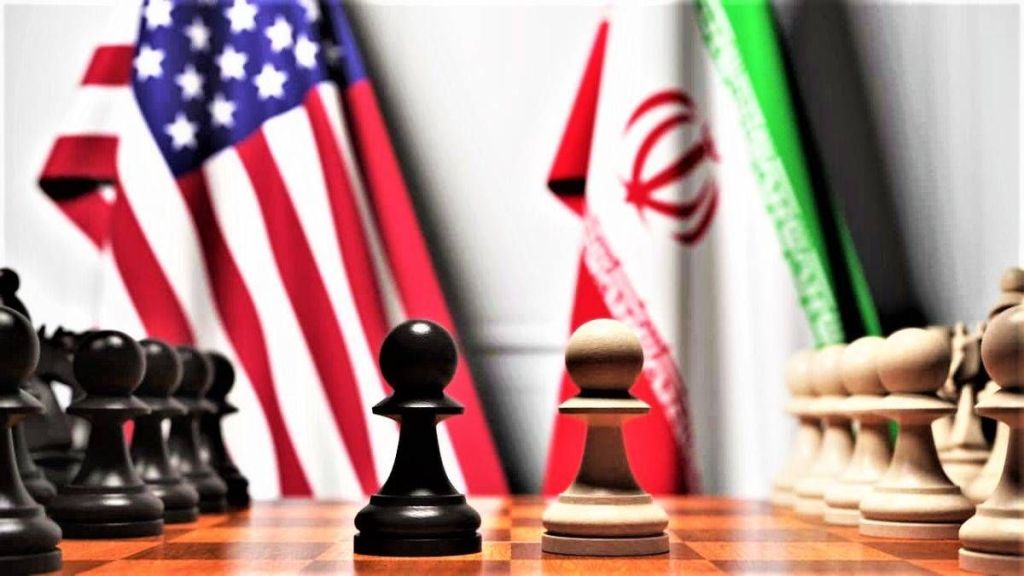
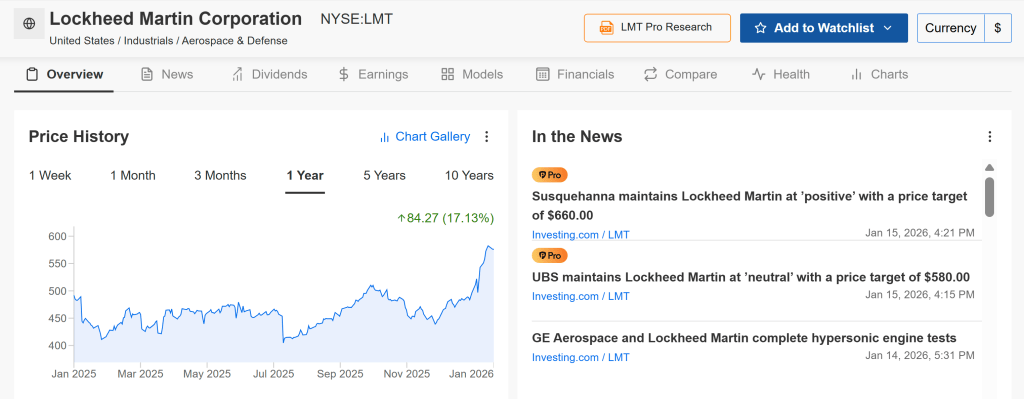
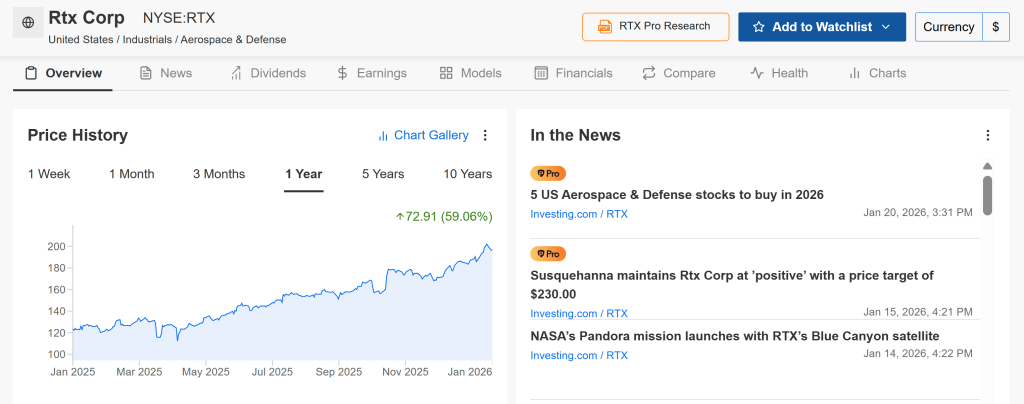
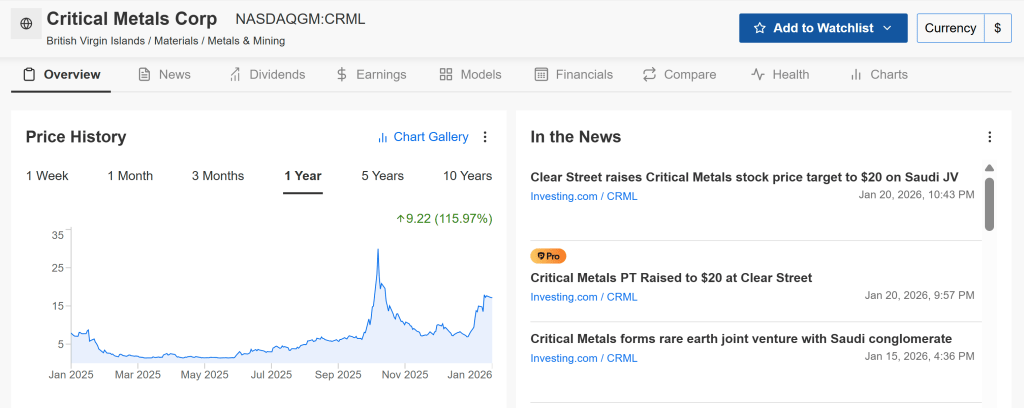
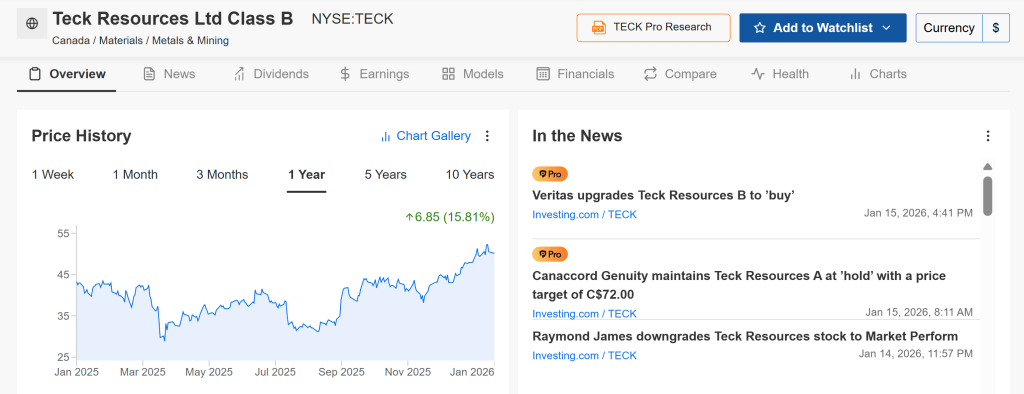
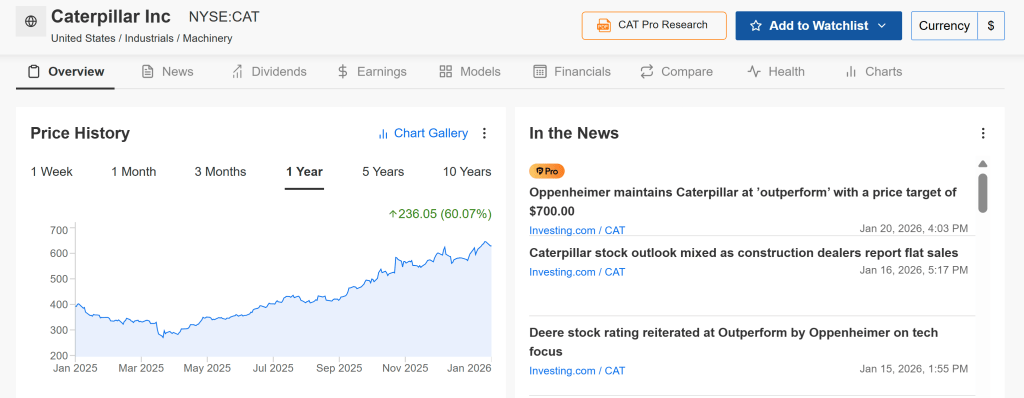
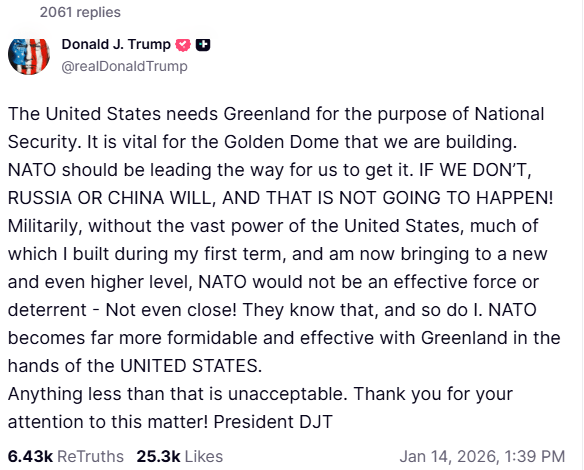
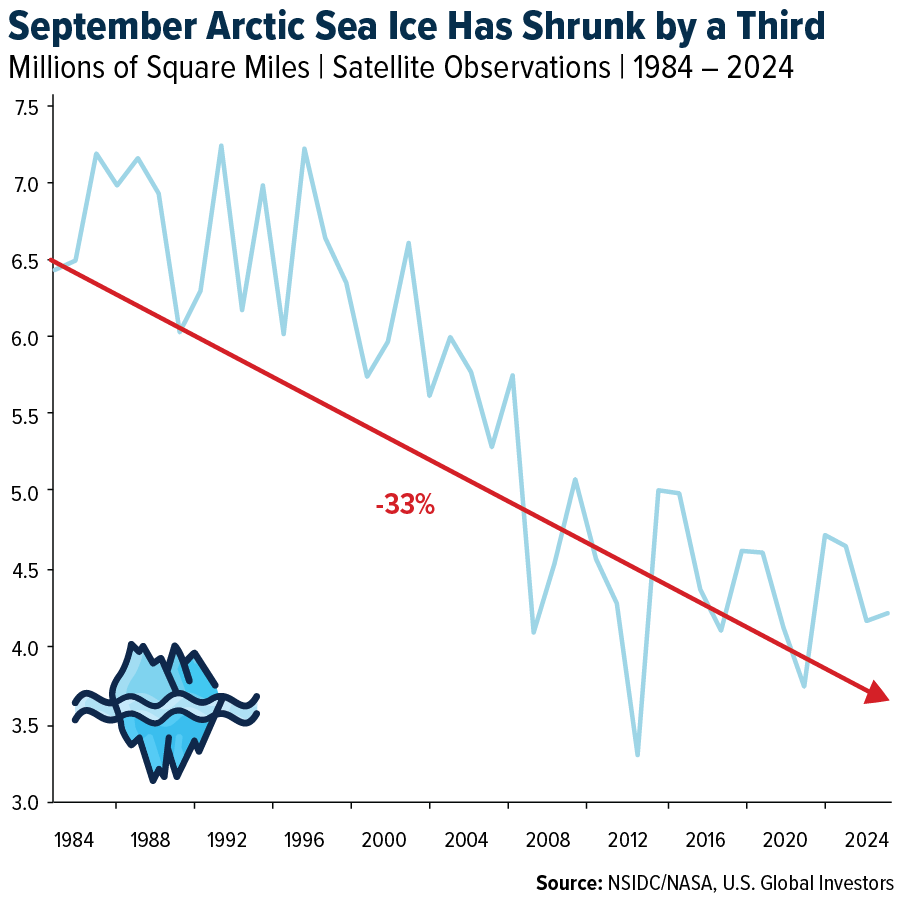
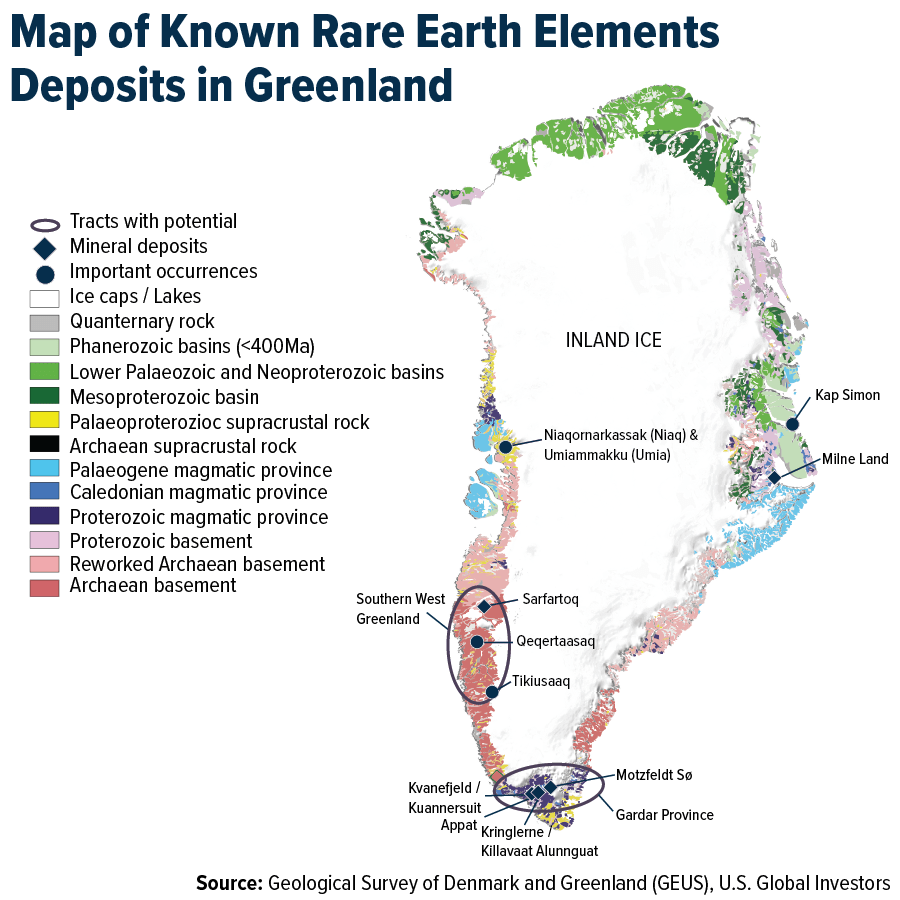
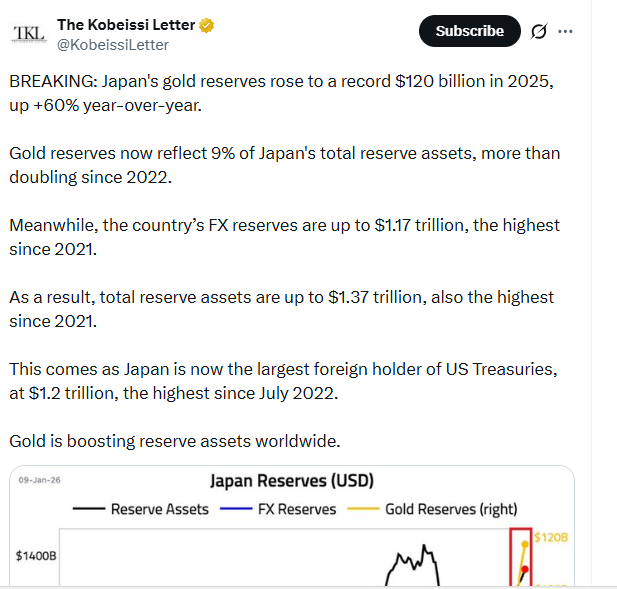



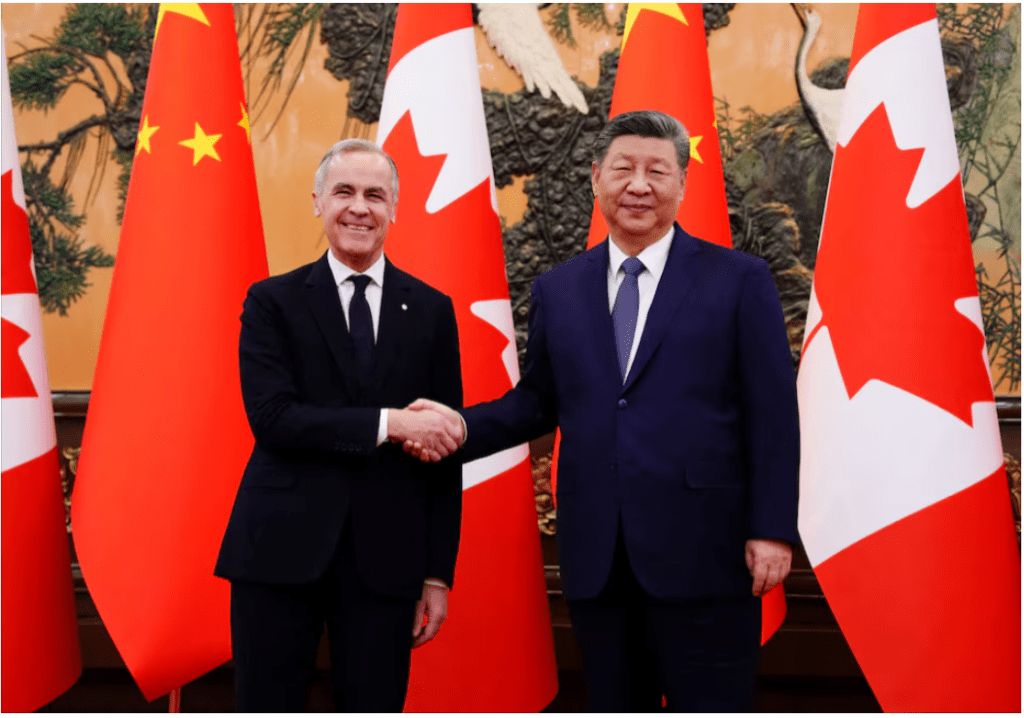



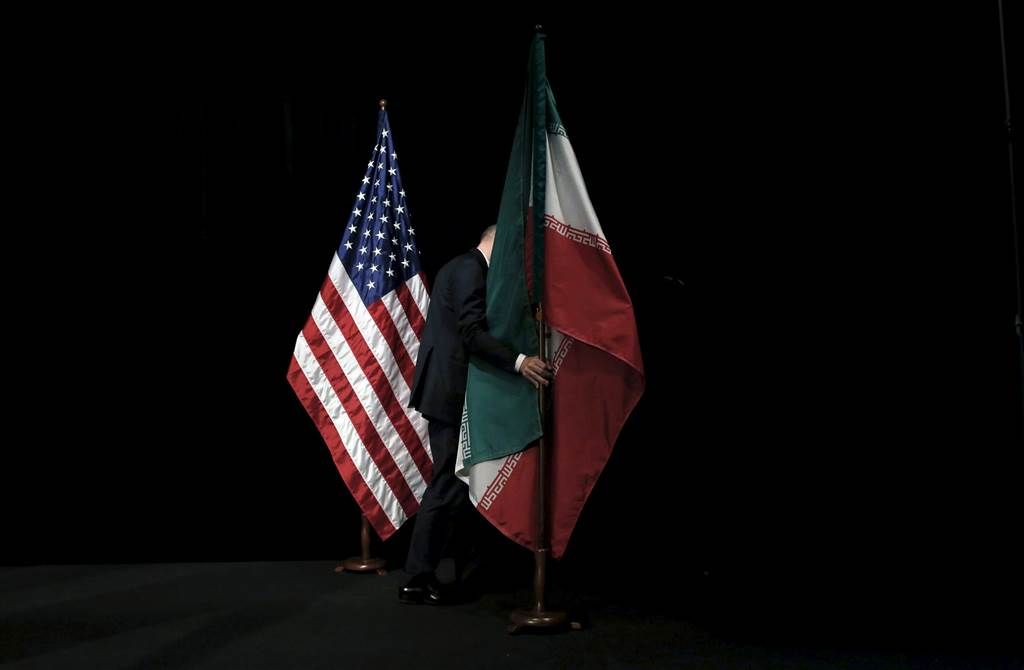

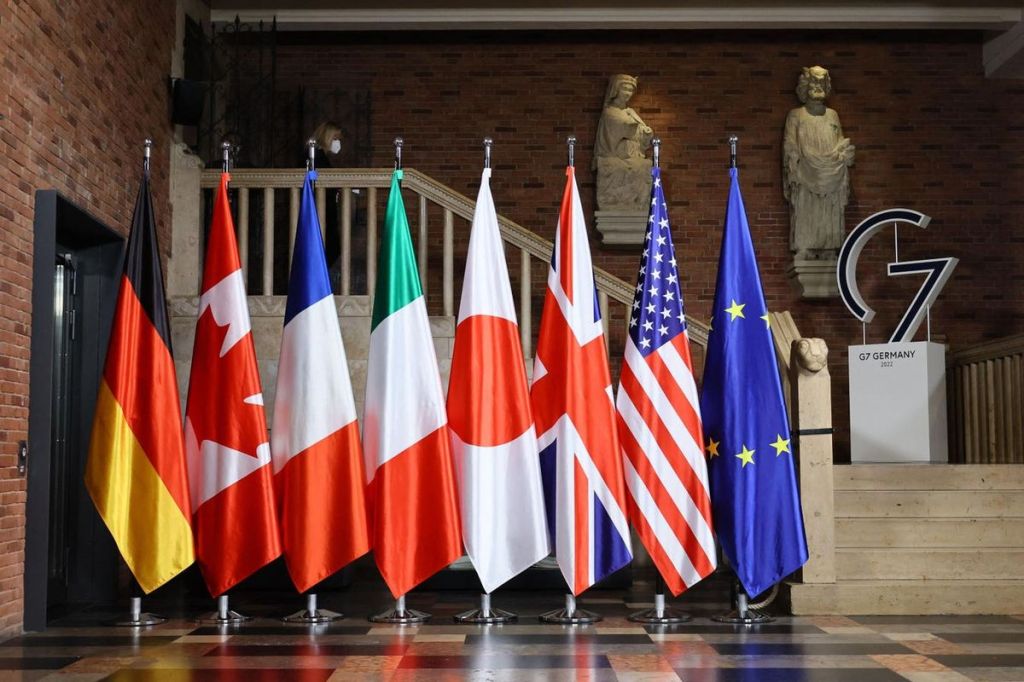
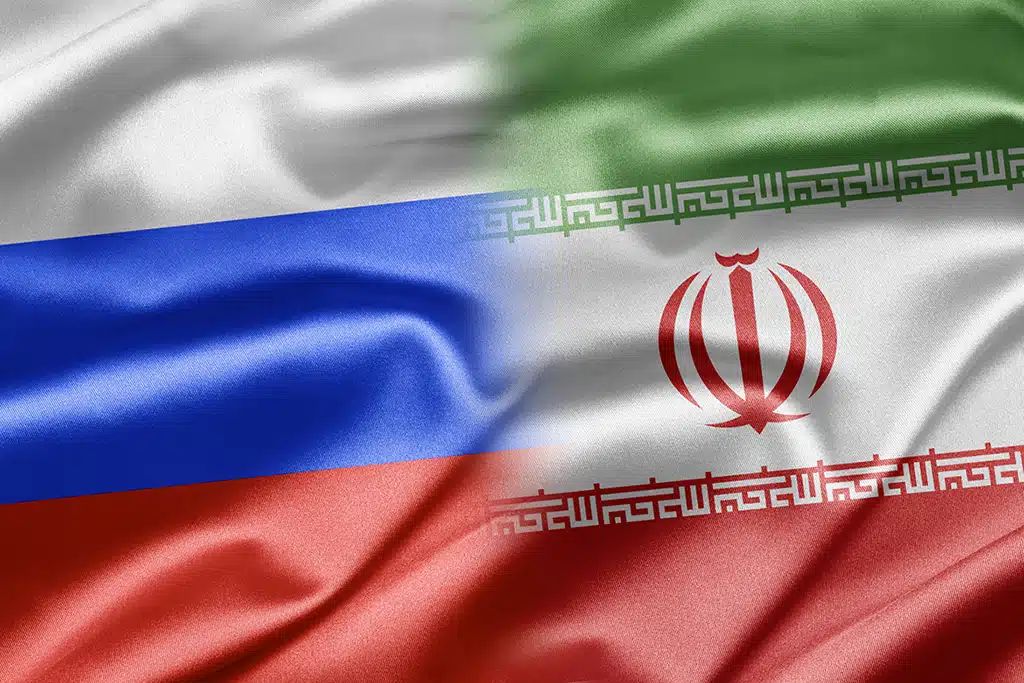
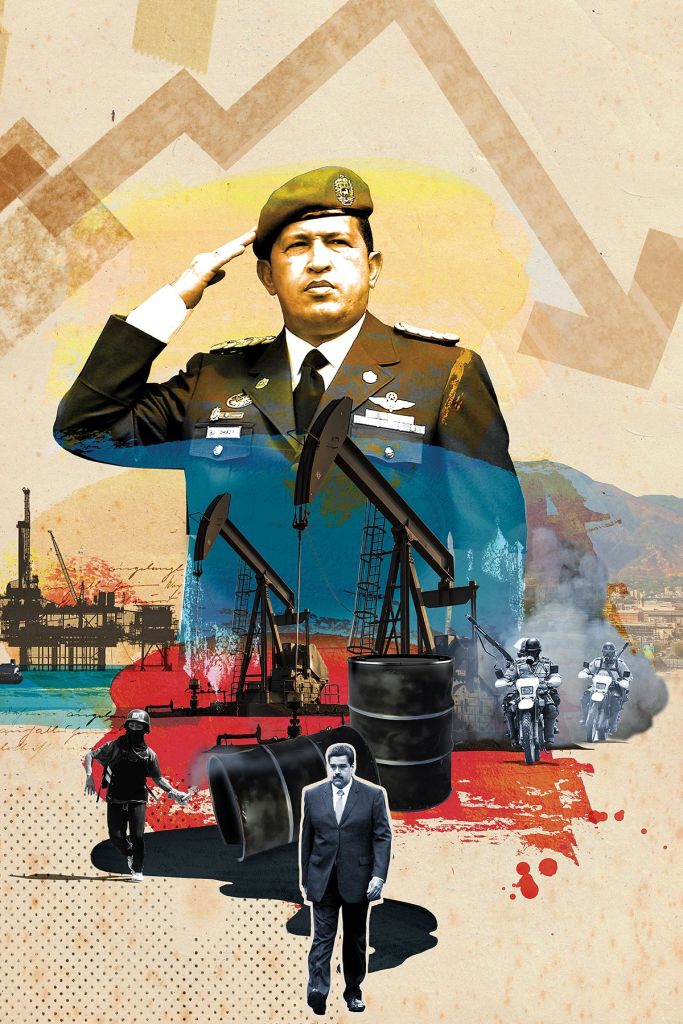


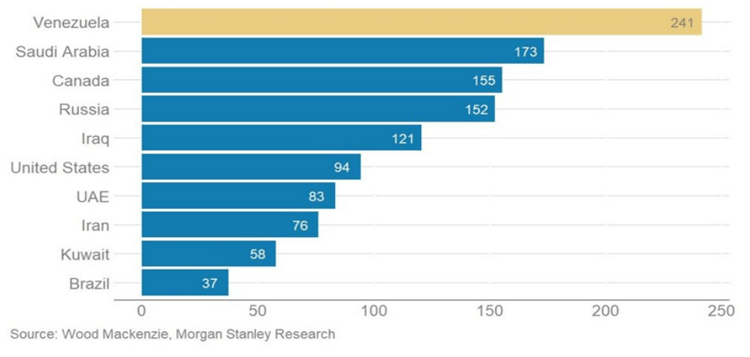
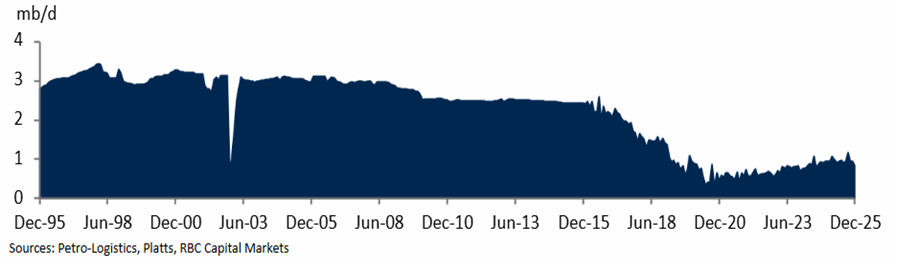
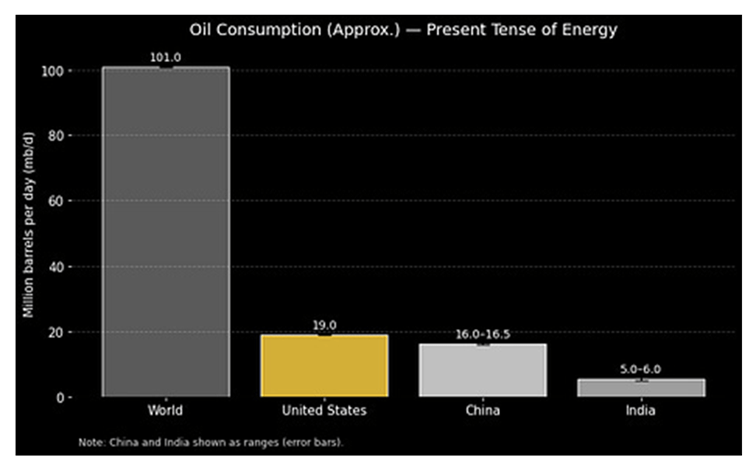
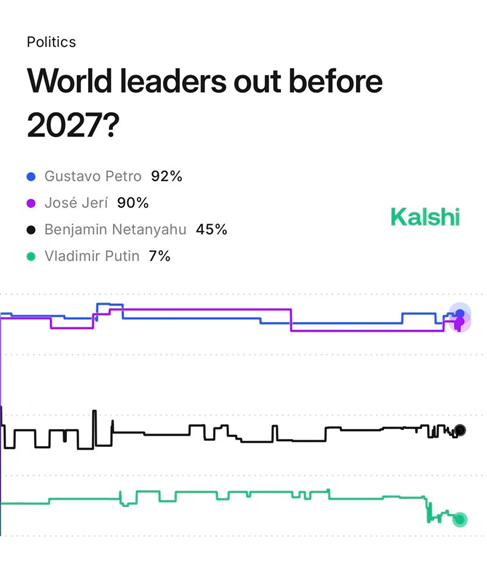
 THE ETERNAL SOVEREIGN