Category: Foundational Knowledge

  • Economic Behavior

    Economic behavior refers to the way individuals, households, businesses, or organizations make decisions and take actions related to the production, distribution, exchange, and consumption of economic resources such as money, time, labor, and natural resources.

    Simply put, it is how people choose when resources are limited but needs are unlimited.

    Key characteristics of economic behavior

    1. Based on choice

    Because resources are scarce, people must choose one option over another.

    2. Benefit-oriented

    Decisions usually aim to maximize benefits (profit, satisfaction) and minimize costs.

    3. Influenced by many factors

    • Income and prices
    • Information and expectations
    • Psychology, habits, and culture
    • Government policies and the social environment

    4. Not always perfectly rational

    Behavioral economics shows that people often make decisions influenced by emotions, cognitive biases, or personal beliefs.

    Examples of economic behavior

    • Consumers compare prices and quality before buying tea
    • Businesses expand production when demand increases
    • Investors choose gold as a safe-haven asset during market volatility
    • People save more when they fear an economic downturn

    Types of economic behavior

    Consumption behavior

    Consumption behavior refers to how individuals or households decide what goods and services to buy, how much to buy, and when to buy in order to satisfy their needs and wants.

    Key decision factors

    • Income level and disposable income
    • Prices of goods and services
    • Preferences, tastes, and lifestyle
    • Psychological factors (brand perception, emotions, habits)
    • Social and cultural influences
    • Expectations about future income or prices

    Examples

    • A consumer choosing between premium tea and mass-market tea based on budget and perceived quality
    • Buying more during promotions or discounts
    • Reducing spending when economic uncertainty increases

    Economic significance

    Consumption drives demand, which in turn influences production, employment, and economic growth.

    Production behavior

    Production behavior describes how firms or producers decide what to produce, how much to produce, and which production methods to use.

    Key decision factors

    • Market demand and consumer preferences
    • Production costs (labor, raw materials, energy)
    • Technology and efficiency
    • Competition and market structure
    • Government regulations and taxes
    • Expected profits

    Examples

    • A tea company deciding to produce organic tea instead of conventional tea
    • Investing in automation to reduce labor costs
    • Cutting production when demand declines

    Economic significance

    Production behavior determines supply, pricing, productivity, and the efficient allocation of resources.

    Investment behavior

    Investment behavior refers to decisions made by individuals or organizations regarding how and where to allocate capital to generate future returns.

    Key decision factors

    • Expected rate of return
    • Risk tolerance and uncertainty
    • Interest rates and inflation
    • Market conditions and economic outlook
    • Time horizon (short-term vs long-term)

    Examples

    • Investors buying stocks, bonds, gold, or real estate
    • A business expanding factories or investing in R&D
    • Choosing safe-haven assets during financial instability

    Economic significance

    Investment fuels capital formation, innovation, and long-term economic growth.

    Saving behavior

    Saving behavior involves decisions about how much income to set aside for future use rather than current consumption.

    Key decision factors

    • Income stability and employment security
    • Interest rates and returns on savings
    • Life cycle stage (youth, working age, retirement)
    • Precautionary motives (emergency funds)
    • Cultural attitudes toward saving

    Examples

    • Households increasing savings during a recession
    • Individuals saving for education, housing, or retirement
    • Businesses retaining earnings instead of distributing dividends

    Economic significance

    Savings provide funds for investment and help stabilize financial systems.

    Exchange (Market) Behavior

    Exchange behavior refers to how economic agents buy, sell, and negotiate in markets.

    Key decision factors

    • Market prices and transaction costs
    • Bargaining power and competition
    • Information availability and transparency
    • Trust and contractual enforcement

    Examples

    • Negotiating wholesale tea prices with suppliers
    • Online trading of financial assets
    • Choosing platforms based on fees and convenience

    Economic significance

    Exchange behavior ensures the circulation of goods, services, and capital in the economy.

    Labor (Work) Behavior

    Labor behavior focuses on decisions related to working, hiring, wage setting, and skill development.

    Key decision factors

    • Wage levels and benefits
    • Working conditions and job security
    • Education and skill requirements
    • Work-life balance preferences
    • Labor market regulations

    Examples

    • Workers choosing between higher pay or better working conditions
    • Firms hiring skilled labor to improve productivity
    • Employees investing in training to increase income potential

    Economic significance

    Labor behavior directly affects productivity, income distribution, and employment levels.

    Behavioral (Psychological) Economic Behavior

    This type highlights how psychological biases and emotions influence economic decisions, often leading to outcomes that deviate from rational models.

    Key influences

    • Loss aversion
    • Overconfidence
    • Herd behavior
    • Anchoring and framing effects

    Examples

    • Panic selling during market crashes
    • Consumers overpaying due to brand loyalty
    • Investors following market trends without analysis

    Economic significance

    Understanding behavioral factors helps explain real-world market anomalies and improves policy and business strategies.

  • Demo Trading (Trading Simulator)

    Demo trading is a way to practice trading using virtual (fake) money in a simulated market environment that mirrors real market prices—without risking real capital.

    What demo trading is used for?

    • Learn how a trading platform works (placing orders, stop-loss, take-profit)
    • Practice trading strategies in live market conditions
    • Understand market behavior before trading with real money
    • Test risk management rules

    How demo trading works

    • You’re given a virtual account balance (e.g., $10,000 or $100,000)
    • Trades use real-time market data
    • Profits and losses are simulated only—no real money involved

    Advantages

    • No financial risk
    • Ideal for beginners
    • Helps reduce costly mistakes

    Limitations

    • Lacks real emotional pressure
    • Slippage and liquidity may not be fully realistic
    • Can encourage overtrading if not taken seriously

    Demo Trading vs Real Trading

    • Demo trading is like a flight simulator for pilots
    • Real trading adds emotion, discipline, and psychological stress

    Best practice

    When you transition to live trading:

    • Start with small capital
    • Trade exactly as you did in demo
    • Focus on risk control, not profits

    Global demo trading or trading simulator in the education

    This is taught in a very structured and rigorous way at Curtin University, where Thanh Nguyen studied. The program provides a comprehensive understanding of how markets move, and Curtin University’s trading room offers an optimized, real-world environment for practical trading education.

    Sources: https://properties.curtin.edu.au/project/trading-room-upgrade/

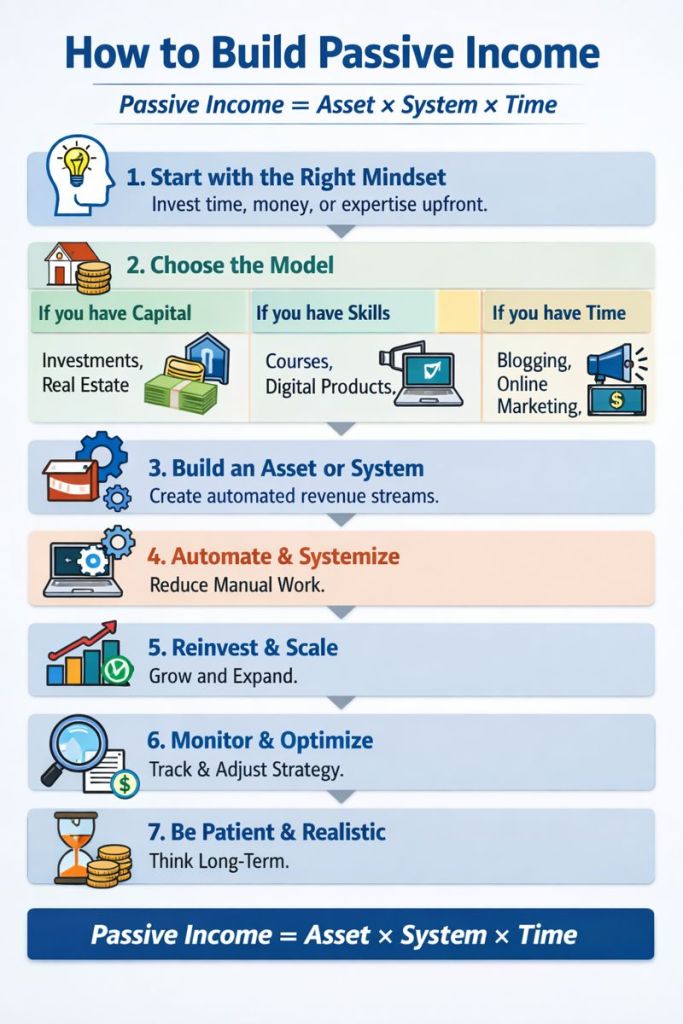
  • Passive Income

    Passive income is a form of income that is generated repeatedly and relatively steadily after an initial investment of time, effort, or capital to build a system, asset, or operating model. Unlike active income, which requires a direct exchange of time for money, passive income leverages capital, technology, intellectual property, or branding to create long-term value. While it does not mean “earning money without doing anything,” passive income reduces dependence on daily labor and provides a more sustainable and resilient financial foundation over time.

    The Benefits of Passive Income

    Financial stability and diversification

    Passive income creates a more secure financial position by ensuring that earnings continue even when active work is reduced or interrupted. This stability helps individuals and businesses better manage expenses and plan for the future.

    Relying on multiple income streams lowers overall financial risk. If one source underperforms or stops, others can continue to provide cash flow, reducing vulnerability to economic or industry-specific shocks.

    Time freedom and long-term wealth creation

    Because passive income is not directly tied to hours worked, it allows individuals to reclaim time. This time can be invested in personal growth, strategic thinking, or higher-value activities.

    Many passive income streams grow over time through reinvestment and compounding. Assets such as investments, digital products, or intellectual property can generate increasing returns without proportional effort.

    Scalability and flexibility

    Passive income models can expand without significantly increasing workload. Once systems are in place, income can grow through broader distribution, automation, or market expansion.

    With steady passive income, individuals have more freedom to change careers, start new ventures, or pursue opportunities that may not offer immediate active income.

    Financial resilience and leverage of assets

    It allows people to maximize the value of existing assets—such as capital, expertise, content, or technology—by turning them into ongoing income-generating resources.

    Reduced stress and strategic focus

    Having reliable income streams beyond active work lowers financial pressure, leading to greater peace of mind and improved decision-making.

    By reducing the need for constant operational involvement, passive income enables a shift toward long-term strategy, innovation, and sustainable growth.

    How to Create Passive Income

    Before participating in trading or investing in economic or financial markets, acquiring knowledge is essential for preparing for sustainable long-term growth, helping investors develop discipline, risk management skills, and a clear strategic mindset to navigate market volatility.

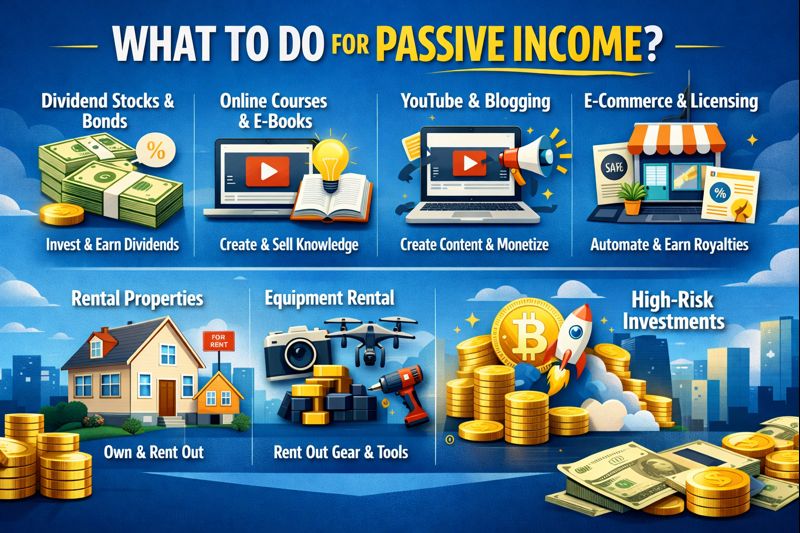
    How Can We Generate Passive Income?

    What is Stocks and Bonds?

    Stocks and bonds are two common types of investments. Stocks represent ownership in a company, meaning you benefit when the company grows through rising share prices and sometimes dividends, but you also face higher risk because prices can fluctuate. Bonds, on the other hand, are loans you give to a government or company; in return, you receive regular interest payments and get your original money back at maturity, making them generally more stable but with lower returns than stocks.

    What is high-risk investments?

    High-risk investments are investments where the chance of losing money is significant, but they offer the potential for very high returns. Their value can change rapidly due to market volatility, economic events, or speculation, and outcomes are less predictable than traditional investments. Examples include cryptocurrencies, early-stage startups, speculative stocks, leveraged trading, and some derivatives. These investments are usually suitable only for investors who can tolerate large fluctuations and afford to lose part or all of their invested capital.

  • Frequently Asked Questions (FAQ) From Entrepreneur

    What could I learn from The Eternal Sovereign?

    We can help you raise funds for your business at the idea stage. You will also learn how to raise capital for an IPO and identify the right market to enter for your business growth. Once successful, you will have the knowledge and advisors to help you expand your wealth through your portfolio.

    What should I do if I want to start a project?

    You need to assess the supply and demand in the market where you plan to operate and develop a clear product or model to test your solution. Additionally, you should evaluate the economic conditions and consumer behavior before launching your product in the market.

    What common challenges do entrepreneurs face?

    Challenges include cash flow management, competition, customer acquisition, and maintaining work-life balance.

    How do I find funding for my startup?

    Funding can come from personal savings, loans, investors, crowdfunding, or grants.

    When should I scale my business?

    Scale when you have a proven product-market fit, stable cash flow, and a clear growth strategy.

    What legal considerations should I be aware of?

    Consider business registration, licenses, taxes, intellectual property, and contracts.

    How important is networking for entrepreneurs?

    Networking is crucial for finding mentors, partners, customers, and investors.

    How do I manage risk in my startup?

    Conduct thorough market research, plan financially, and diversify revenue streams to mitigate risks.

    If I have many other questions, requests, or issues that need to be addressed, what should I do?

    You can contact us anytime to resolve your issues. Our advice and consulting services are free of charge. Please don’t hesitate to reach out.

  • Frequently Asked Questions (FAQ) From Business Owners

    How can we best assist you?

    Our knowledge, news, and analysis can help you forecast the future economy, enabling you to make better business decisions for your growth. We also connect business owners and investors who can support your business development in the future. Through our services, you can become a confident speculator and investor, with access to free advice.

    What is the benefits of knowledge section?

    This section helps you learn and understand various ways to grow your revenue and optimize your profit. Many investors are ready to invest in your business, but you might not be aware of them—and usually, no one offers help without charging a fee and without guaranteeing results.

    What is the benefits of news and analysis?

    1. Stay Informed: Keeps you updated on market events, trends, and economic changes.
    2. Better Decision-Making: Helps you understand market sentiment and potential impacts on assets.
    3. Identify Opportunities: Spot emerging trends or risks early through expert insights.
    4. Diversify Perspectives: Gain different viewpoints to avoid biased decisions.
    5. Improve Timing: News and analysis can guide when to enter or exit positions.

    Why can the economic calendar and financial markets influence your business?

    They can help you understand why your business is performing well or poorly at a given time. They also provide insights on how to raise funds and improve your business performance with potential equity-sharing investors. By keeping track of economic policies and market trends, you can better prepare your business plans for future changes.

    What more can I know?

    One way to build wealth is by including investments and speculation in your own portfolio. With our help, you can earn more than others while taking on much lower risk.

    If I have many other questions, requests, or issues that need to be addressed, what should I do?

    You can contact us anytime to resolve your issues. Our advice and consulting services are free of charge. Please don’t hesitate to reach out.

  • Frequently Asked Questions (FAQ) From Speculators (Traders) and Investors

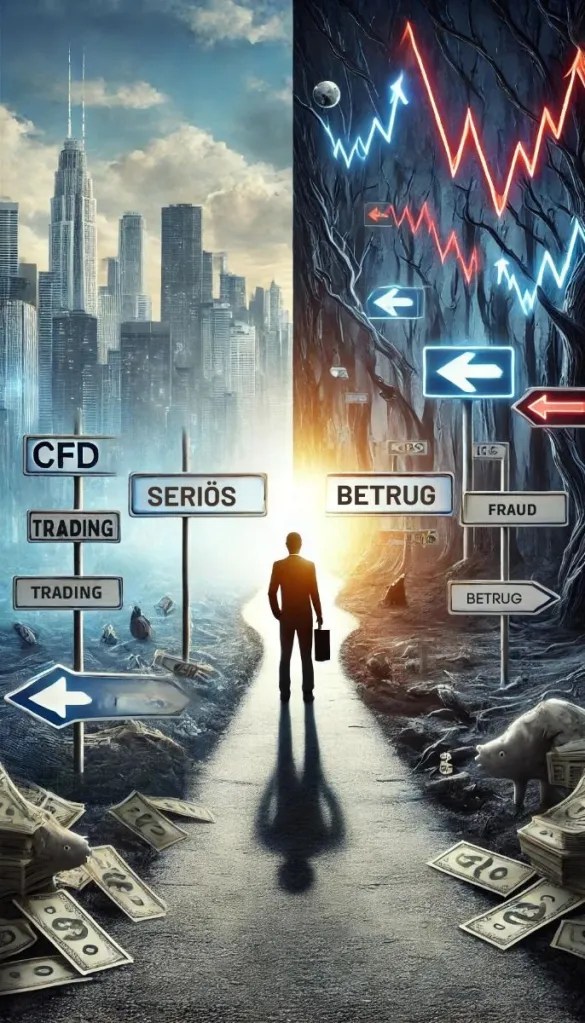
    Are there any scams in the financial market?

    Yes, scams exist in every market, including traditional ones. This happens because scammers see opportunities to make illegal money by exploiting market demand.

    What scamming cases are common in this market?

    Case 1: Following a signal provider’s instructions to open large positions with a small account, resulting in quick losses.

    Case 2: Leading investors to invest in assets that are not available or do not exist in the market.

    Case 3: Convincing people to deposit funds with a broker or financial institution that lacks a financial services license.

    Case 4: Forging company’s financial documents and records to deceive investors.

    How to avoid scam in this market?

    Suggestion 1: Verify the financial service license of the broker or financial institution.

    Suggestion 2: Verify the educational background of the signal provider.

    Suggestion 3: Verify which company provides the asset and confirm its legal business activities.

    Suggestion 4: Contact to The Eternal Sovereign to support further

    What knowledge is needed to speculate (trade) or invest in the financial market?

    Once you have a foundation, the knowledge you need to focus on is fundamental and technical analysis to trade or invest effectively.

    1. Fundamental knowledge helps you forecast the market’s future direction and protect your funds effectively.
    2. Technical knowledge helps you execute positions more precisely.

    For a complete understanding, please refer to the Knowledge section.

    Does having knowledge mean I can speculate (trade) or invest effectively?

    No, having knowledge without practice makes it difficult to speculate and invest effectively. You will need a team or advisor to help you make informed decisions through market analysis and practical education.

    Therefore, you can see that from small to large financial institutions, they always have teams or advisors to support decision-making.

    What are the benefits of news and analysis (opinions and analysis) in the financial market?

    1. Stay Informed: Keeps you updated on market events, trends, and economic changes.
    2. Better Decision-Making: Helps you understand market sentiment and potential impacts on assets.
    3. Identify Opportunities: Spot emerging trends or risks early through expert insights.
    4. Diversify Perspectives: Gain different viewpoints to avoid biased decisions.
    5. Improve Timing: News and analysis can guide when to enter or exit positions.

    If I have many other questions, requests, or issues that need to be addressed, what should I do?

    You can contact us anytime to resolve your issues. Our advice and consulting services are free of charge. Please don’t hesitate to reach out.

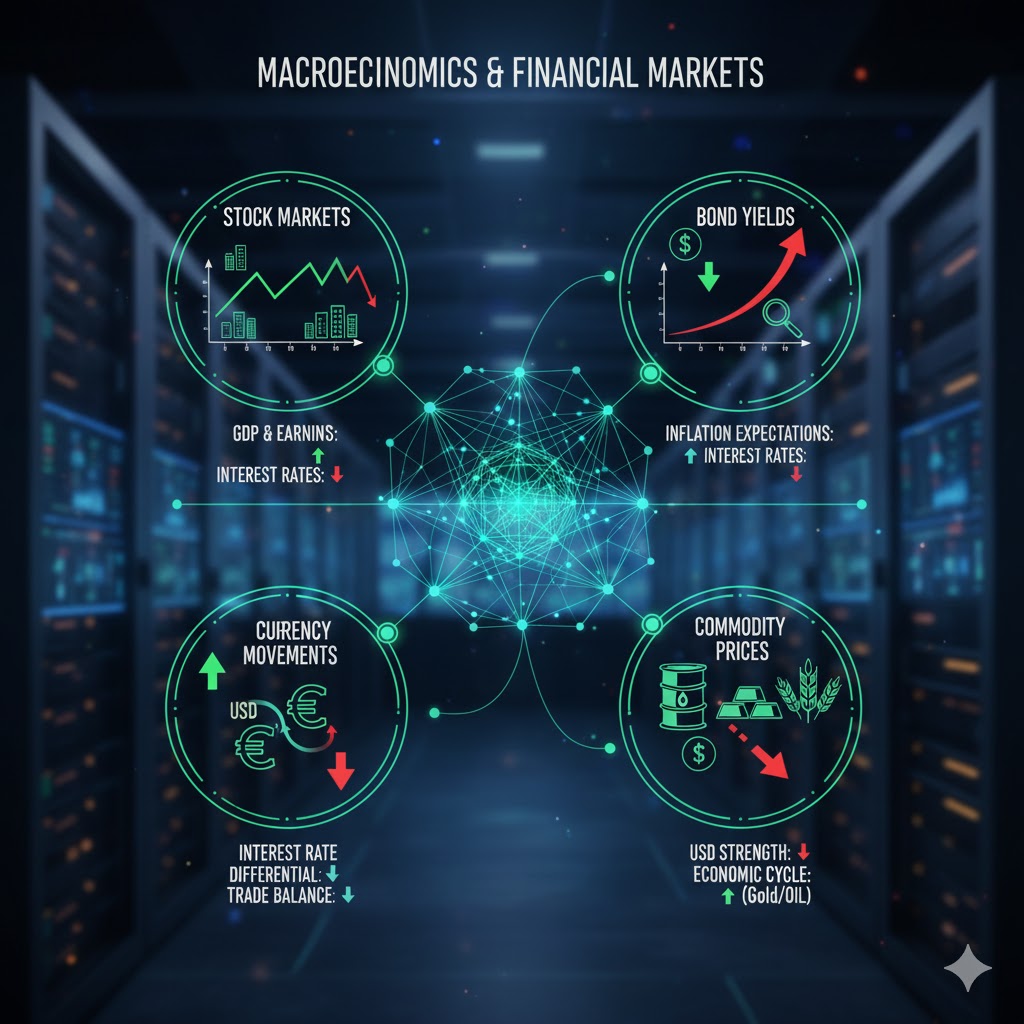
  • Macroeconomics

    Macroeconomics is the branch of economics that studies the overall performance and behavior of an economy as a whole, rather than individual markets or firms.

    It focuses on big-picture economic issues such as growth, inflation, employment, and national income.

    Key objectives of macroeconomics

    1. Economic growth – increasing a country’s output and income
    2. Price stability – controlling inflation
    3. Full employment – reducing unemployment
    4. Economic stability – minimizing business cycles and crises

    Major macroeconomic policies

    1. Fiscal policy

    • Government spending and taxation
    • Used to stimulate or slow down the economy
    • Managed by the government

    2. Monetary policy

    • Control of money supply and interest rates
    • Implemented by the central bank
    • Tools include interest rates, open market operations, reserve requirements

    Key takeaway

    Macroeconomics helps governments, businesses, and investors understand economic trends and make informed decisions.

  • Contract for Difference (CFD)

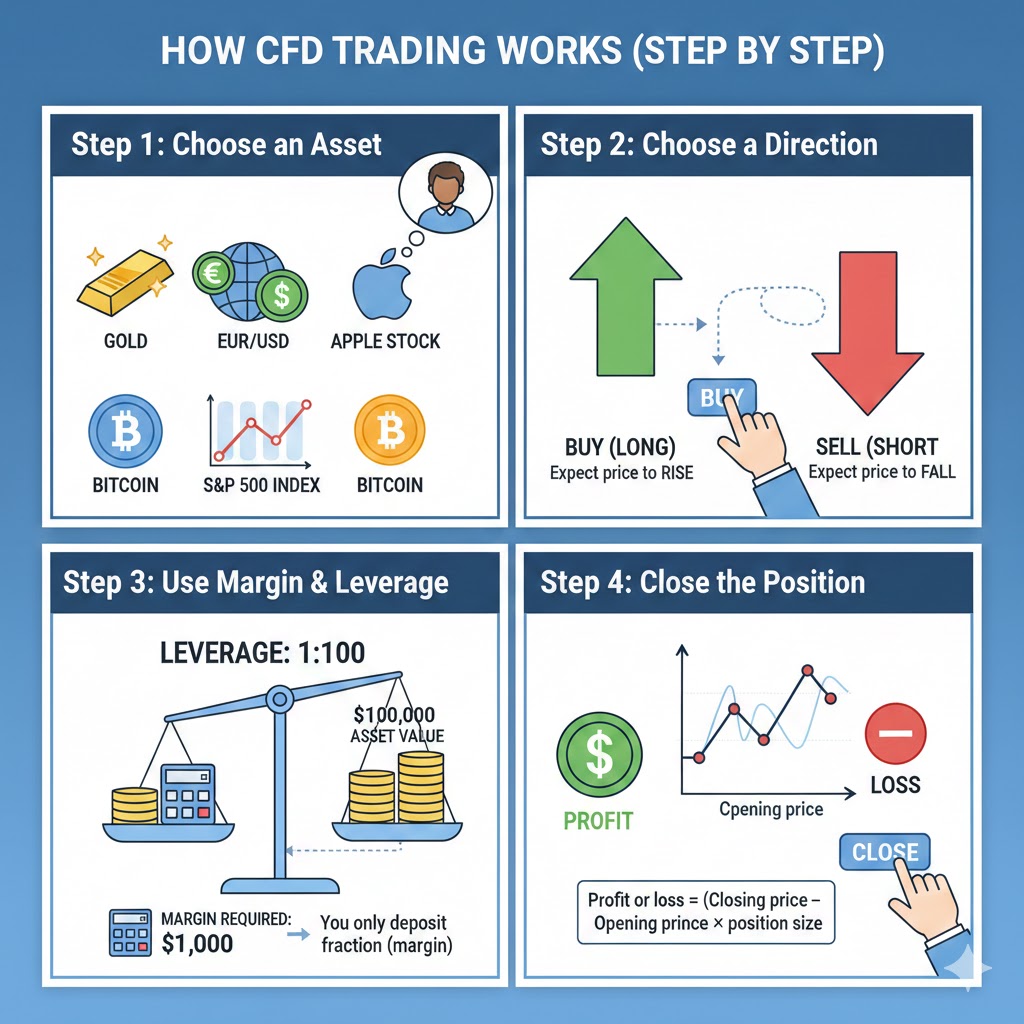
    CFD (Contract for Difference) is a derivative financial instrument where two parties (a trader and a broker) agree to exchange the difference in the price of an asset between the time the position is opened and closed.

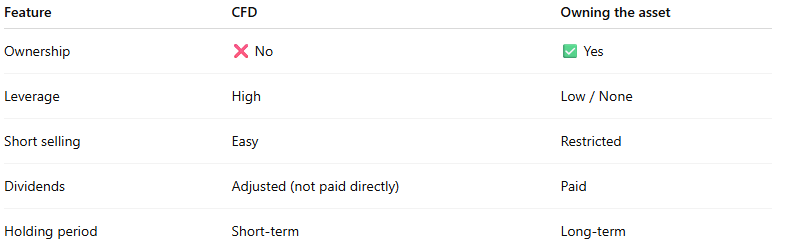
    • You do NOT own the underlying asset (stock, gold, index, etc.).
    • You are only trading price movements.

    How CFD trading works (step by step)

    Long vs Short (Very important)

    🔼 Going Long

    You profit when the price increases.

    Example:

    • Buy at 100
    • Sell at 110
    • Profit = +10

    🔽 Going Short

    You profit when the price decreases.

    Example:

    • Sell at 100
    • Buy back at 90
    • Profit = +10

    ⚠️ This ability to profit in falling markets is a key feature of CFDs.

    Leverage explained in depth

    Leverage allows you to control a large position with a small amount of capital.

    LeverageMargin Required
    1:1010%
    1:502%
    1:1001%
    1:5000.2%

    ⚠️ Risk of leverage

    • 1% price move with 1:100 leverage = 100% gain or loss
    • Losses can exceed expectations if risk is unmanaged

    Costs in CFD trading

    1️⃣ Spread

    • Difference between Bid and Ask
    • Paid when opening a trade

    2️⃣ Commission

    • Some brokers charge commission (usually on stocks)

    3️⃣ Overnight / Swap fee

    • Charged if you hold a position overnight
    • Based on interest rate differentials

    CFD vs Owning the asset


    Markets available via CFDs

    CFDs allow access to global markets from one account:

    • Forex – currencies
    • Commodities – gold, oil, silver
    • Indices – Nasdaq, Dow Jones
    • Stocks – global equities
    • Cryptocurrencies – price exposure only


    Are CFDs regulated?

    • CFDs are legal and regulated in many jurisdictions
    • Regulation depends on the broker’s license (FCA, ASIC, CySEC, etc.)
    • Some countries restrict or ban retail CFD trading

    👉 Broker selection is critical.


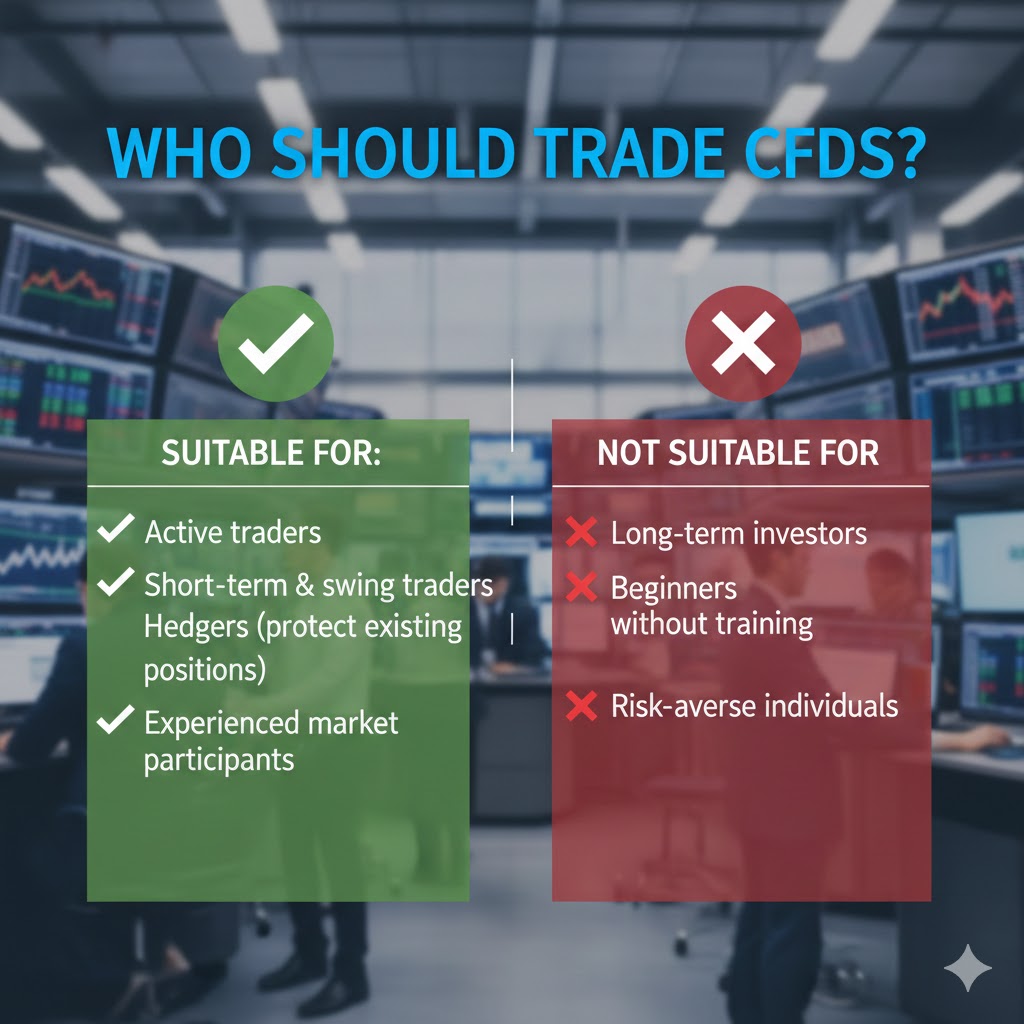
    Key advantages & disadvantages

    ✅ Advantages

    • Trade rising and falling markets
    • High capital efficiency
    • Access to global markets
    • Fast execution

    ❌ Disadvantages

    • High risk due to leverage
    • No ownership benefits
    • Psychological pressure
    • Broker dependency
  • Pips and Lots

    In trading (especially Forex)pips and lots are basic units used to measure price movement and trade size.

    What is a Pip?

    Pip = Percentage in Point
    It is the smallest standard price movement in a currency pair.

    Standard rules

    • For most currency pairs:
      1 pip = 0.0001
      • Example: EUR/USD moves from 1.1000 → 1.1001 = +1 pip
    • For JPY pairs:
      1 pip = 0.01
      • Example: USD/JPY moves from 145.20 → 145.21 = +1 pip

    Some platforms show pipettes (fractional pips):

    • 1 pip = 10 pipettes

    What is a Lot?

    lot measures the size of your trade (how much currency you are buying or selling).

    Common lot sizes

    Lot TypeUnits of Base Currency
    Standard lot100,000 units
    Mini lot10,000 units
    Micro lot1,000 units
    Nano lot100 units (some brokers)

    Pip Value (Why Lots Matter)

    The pip value depends on the lot size.

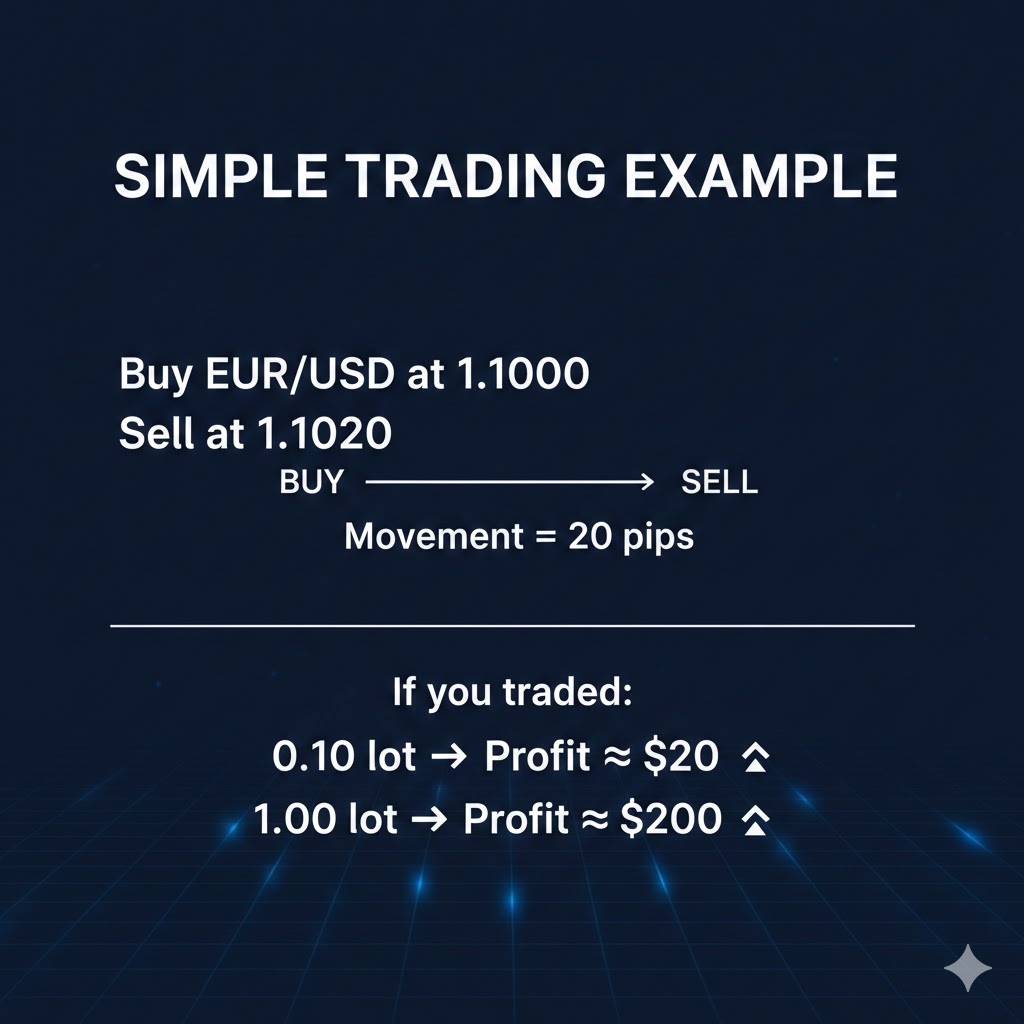
    Example (EUR/USD)

    Lot SizePip Value
    1.00 lot≈ $10 per pip
    0.10 lot≈ $1 per pip
    0.01 lot≈ $0.10 per pip

    So:

    • 20 pips profit with 1 lot ≈ $200
    • 20 pips profit with 0.1 lot ≈ $20

    Quick Summary

    • Pip = how far price moves
    • Lot = how big your trade is
    • Pips × Lot size = Profit or Loss
  • Bid & Ask and Spread

    Bid and Ask

    Bid price

    • The Bid is the highest price buyers are willing to pay
    • If you sell immediately, you sell at the bid
    • Think of it as: “What the market will pay me right now”

    Ask price (also called Offer)

    • The Ask is the lowest price sellers are willing to accept
    • If you buy immediately, you buy at the ask
    • Think of it as: “What it costs to buy right now”

    Example

    If EUR/USD shows

    • Bid: 1.1048
    • Ask: 1.1050

    This means

    • You can sell EUR/USD at 1.1048
    • You can buy EUR/USD at 1.1050
    • The difference (0.0002) is the spread

    Why bid is always lower than ask

    • The gap between them is the spread
    • The spread represents:
      • Broker/market maker profit
      • Liquidity conditions
      • Transaction cost for traders

    Key takeaway

    • Buy → Ask
    • Sell → Bid
    • Spread = Ask − Bid
  • Long Position and Short Position

    Long position

    • Long (Buy)
    • Opening a buy position with the expectation that the price will increase.
    • A trader makes a profit when the market price moves up.

    Short position

    • Short (Sell / Short Selling)
    • Opening a sell position with the expectation that the price will decrease.
    • A trader makes a profit when the market price moves down.

    Quick comparison

    Long and short positions apply to the following markets

    • Forex (FX) – currencies
    • Stock market – especially stocks that allow margin trading or short selling
    • Commodities – gold, oil, agricultural products
    • Cryptocurrencies – spot, margin, and derivatives markets
    • Derivatives markets – futures, options, CFDs, swaps

    Key note

    • Long positions are available in almost all markets.
    • Short positions are not always available in spot markets and usually require derivatives or margin trading.
  • Centralized market and Decentralized market

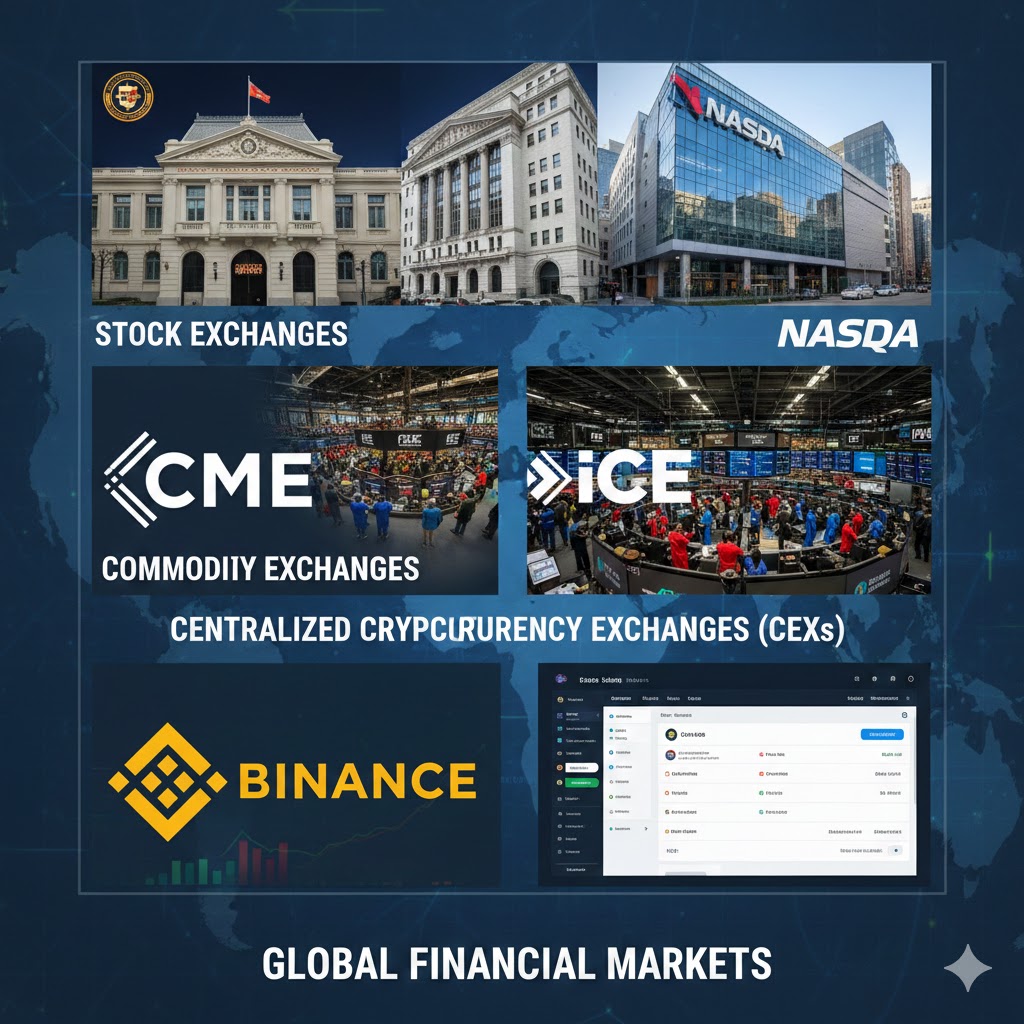
    Centralized Market

    A centralized market is a market in which buying and selling activities take place at a single central location or through a central system. All transactions are processed and supervised by a central authority or platform.

    Key characteristics

    • Operated and regulated by a central authority
    • Transparent and publicly quoted prices
    • High liquidity due to the concentration of buyers and sellers
    • Easier to monitor and regulate

    Examples

    • Stock exchanges: HOSE, NYSE, NASDAQ
    • Commodity exchanges: CME, ICE
    • Centralized cryptocurrency exchanges (CEXs): Binance, Coinbase

    Advantages

    • High price transparency
    • Fast execution and strong liquidity
    • Clear legal and regulatory framework

    Disadvantages

    • Dependence on a central intermediary
    • Systemic risk if the central platform fails or is disrupted

    Decentralized Market

    A decentralized market is a market without a single central authority, where buyers and sellers trade directly with each other through a network or bilateral agreements.

    Key characteristics

    • No central governing body
    • Prices may vary across participants or locations
    • High flexibility
    • Limited centralized control

    Examples

    • The interbank foreign exchange (Forex) market
    • Over-the-counter (OTC) markets
    • Decentralized cryptocurrency exchanges (DEXs): Uniswap, PancakeSwap
    • Traditional agricultural markets

    Advantages

    • Greater flexibility and independence
    • Suitable for customized or private transactions
    • Less vulnerable to a single point of failure

    Disadvantages

    • Lower price transparency
    • Higher counterparty risk
    • Uneven liquidity
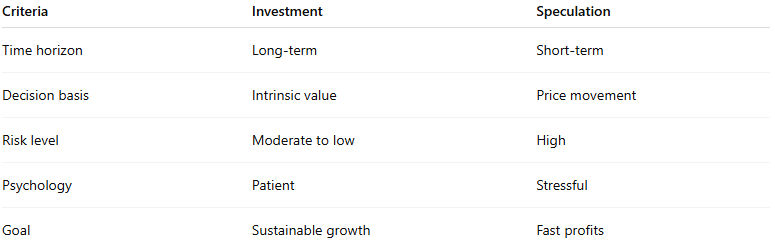
  • Investment and Speculation

    The difference between investment and speculation lies mainly in objectives, time horizon, decision-making approach, and risk level. In simple terms:


    Investment

    Allocating capital to an asset with intrinsic value, expecting it to grow sustainably over time and/or generate cash flow.

    Key characteristics

    • Long-term (several years or more)
    • 🔍 Based on fundamental analysis (financials, business model, management quality, industry outlook, etc.)
    • 💰 Focused on stable, sustainable returns
    • ⚖️ Controlled risk
    • 📈 Willing to tolerate short-term volatility

    Examples

    • Buying shares of a strong company and holding for 5–10 years
    • Investing in rental real estate
    • Investing in a Shan Tuyet tea business to build a long-term brand and ecosystem

    Speculation

    Allocating capital to profit from short-term price movements, with little emphasis on intrinsic value.

    Key characteristics

    • Short-term (days, weeks, or a few months)
    • 📊 Heavily reliant on technical analysis, news, and market sentiment
    • 🎯 Aimed at quick profits
    • 🔥 High risk
    • 💥 Significant losses if the market moves against expectations

    Examples

    • Short-term stock trading based on rumors
    • Short-term forex or crypto trading
    • Buying assets simply because “prices are rising fast”

    Quick comparison


    An important point

    It is not the asset itself that determines whether an activity is investment or speculation, but how it is used.

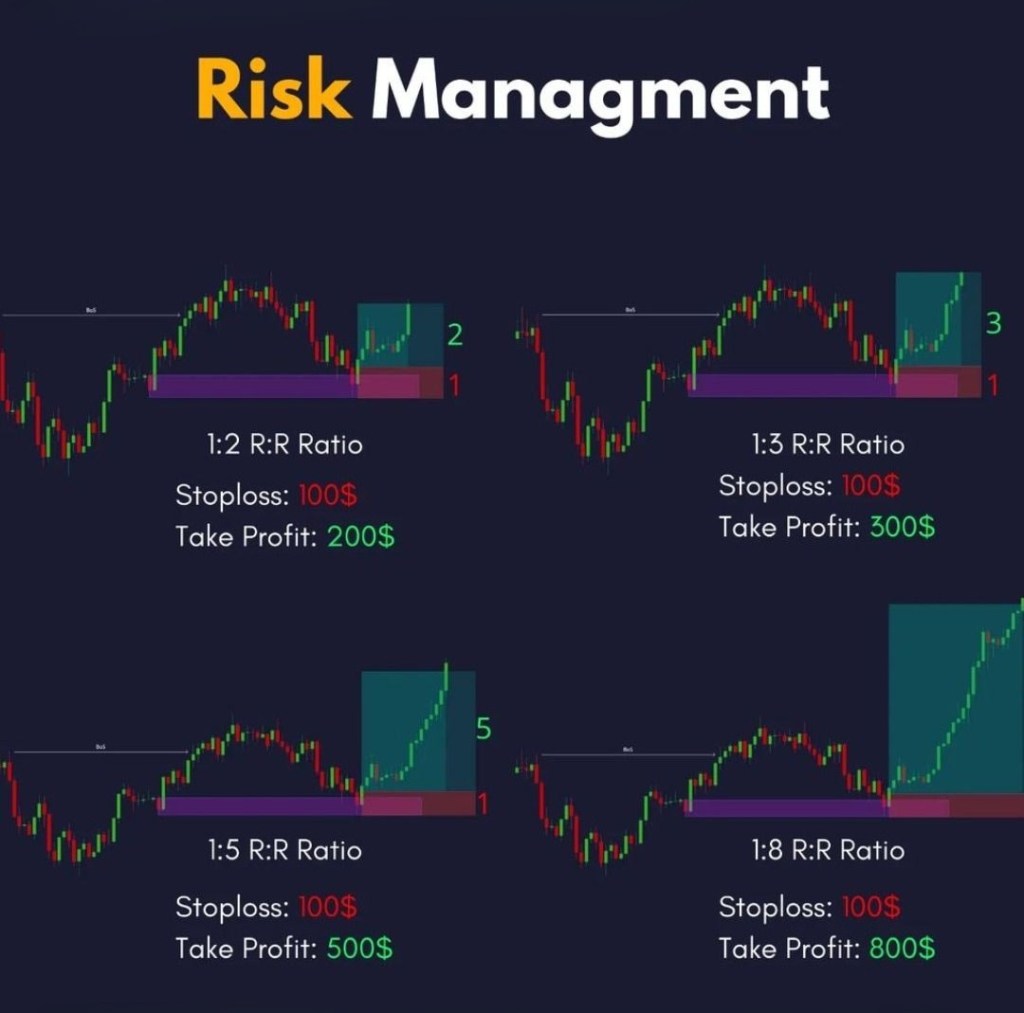
  • Risk Management

    Risk management is the process of identifying, assessing, and controlling threats or risks that could negatively impact an individual, organization, or project. The goal is to minimize the potential losses or harm by planning how to handle uncertainties effectively.

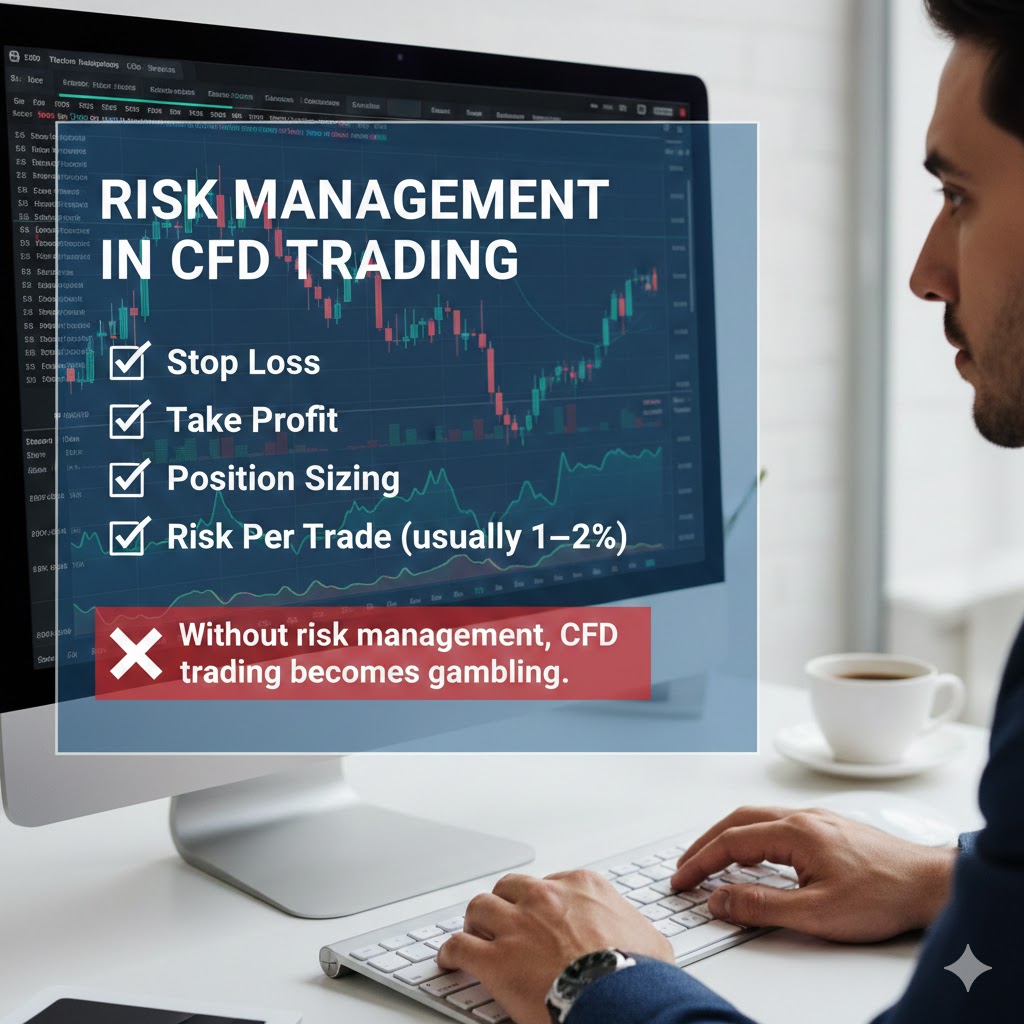
    In finance or trading, for example, risk management involves strategies to limit potential losses—such as setting stop-loss orders, diversifying investments, or controlling position sizes—so that even if the market moves unfavorably, the damage is limited.

    Risk management is crucial for capital preservation and achieving long-term objectives. Even the top global financial institutions prioritize it above all else.

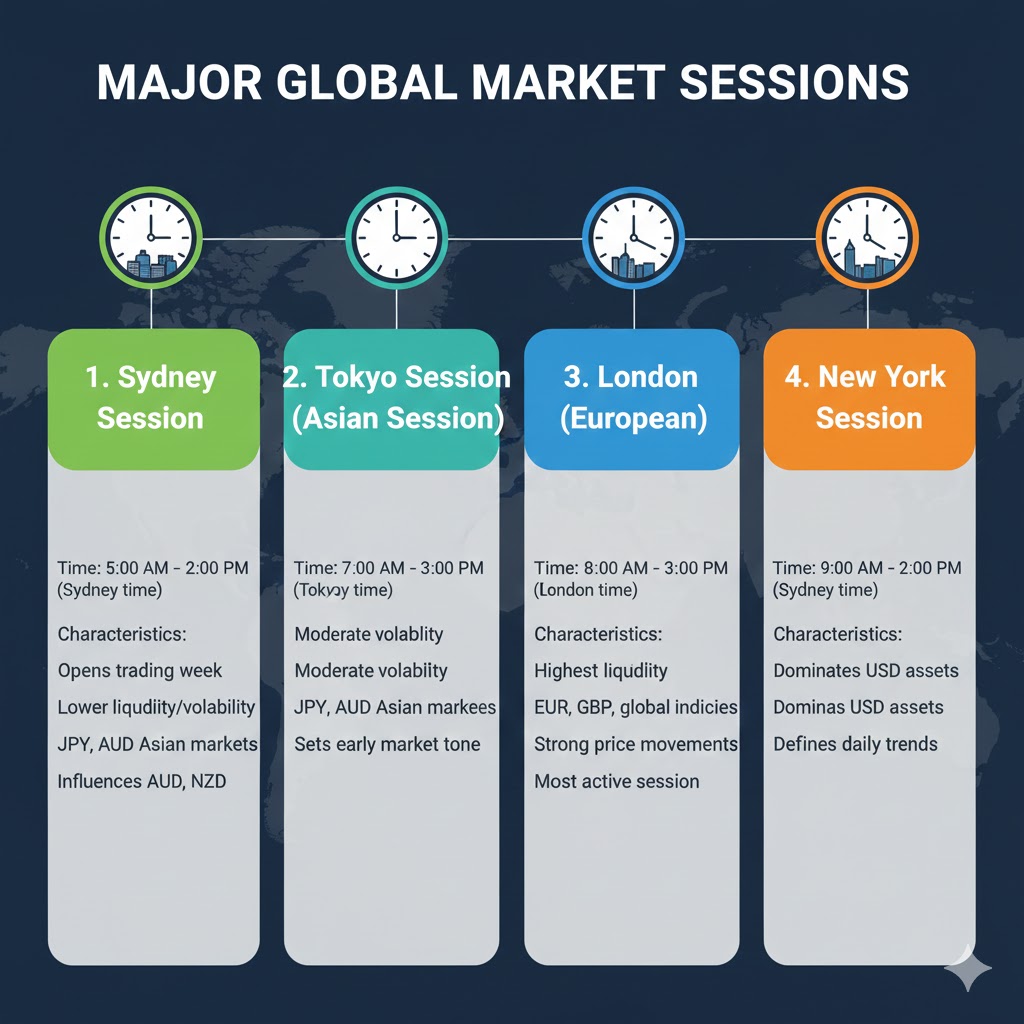
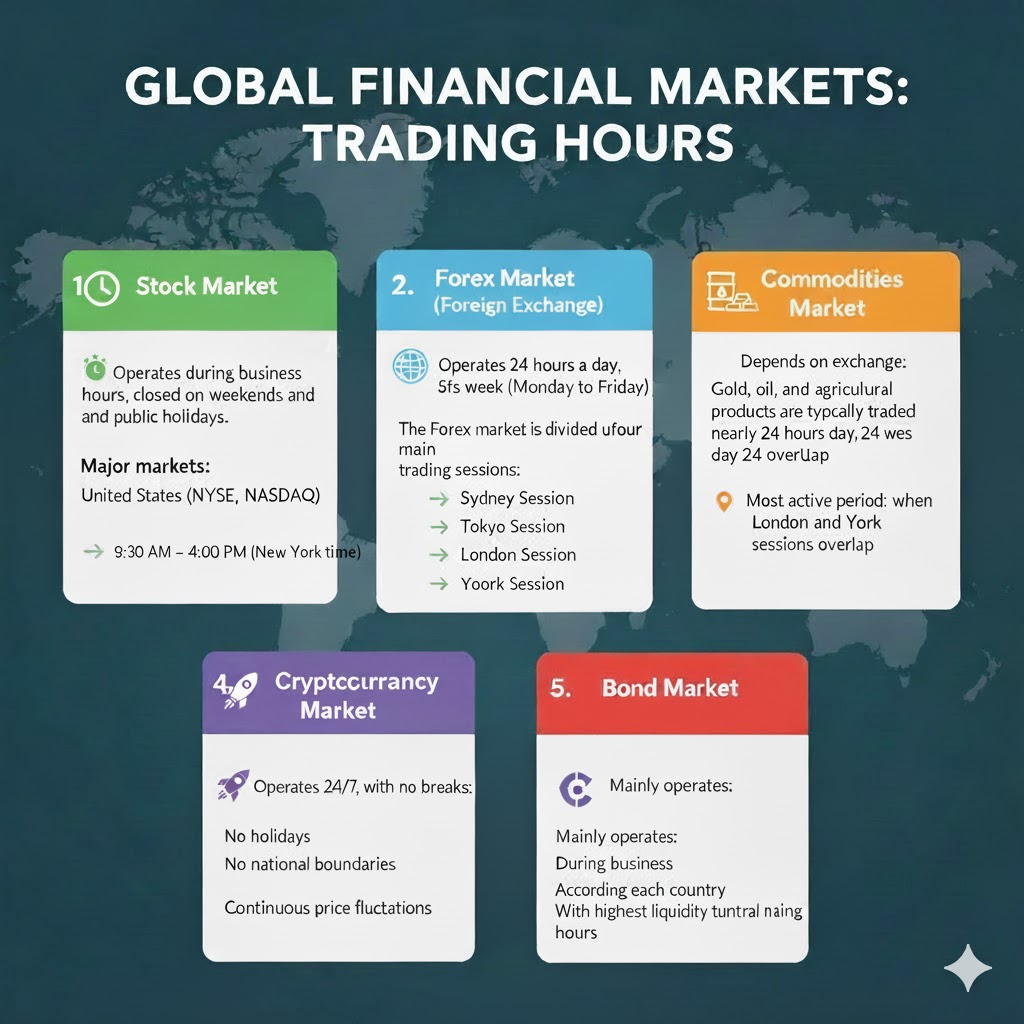
  • Market Sessions & Trading Activity

    Market sessions refer to the specific time periods during which major global financial markets are open. Because financial markets operate across different time zones, trading activity follows a continuous cycle, with varying levels of liquidity and volatility throughout the day.

    Key Takeaway

    Trading activity is not evenly distributed throughout the day.
    Understanding market sessions helps traders choose the right time to trade, manage risk, and optimize performance.

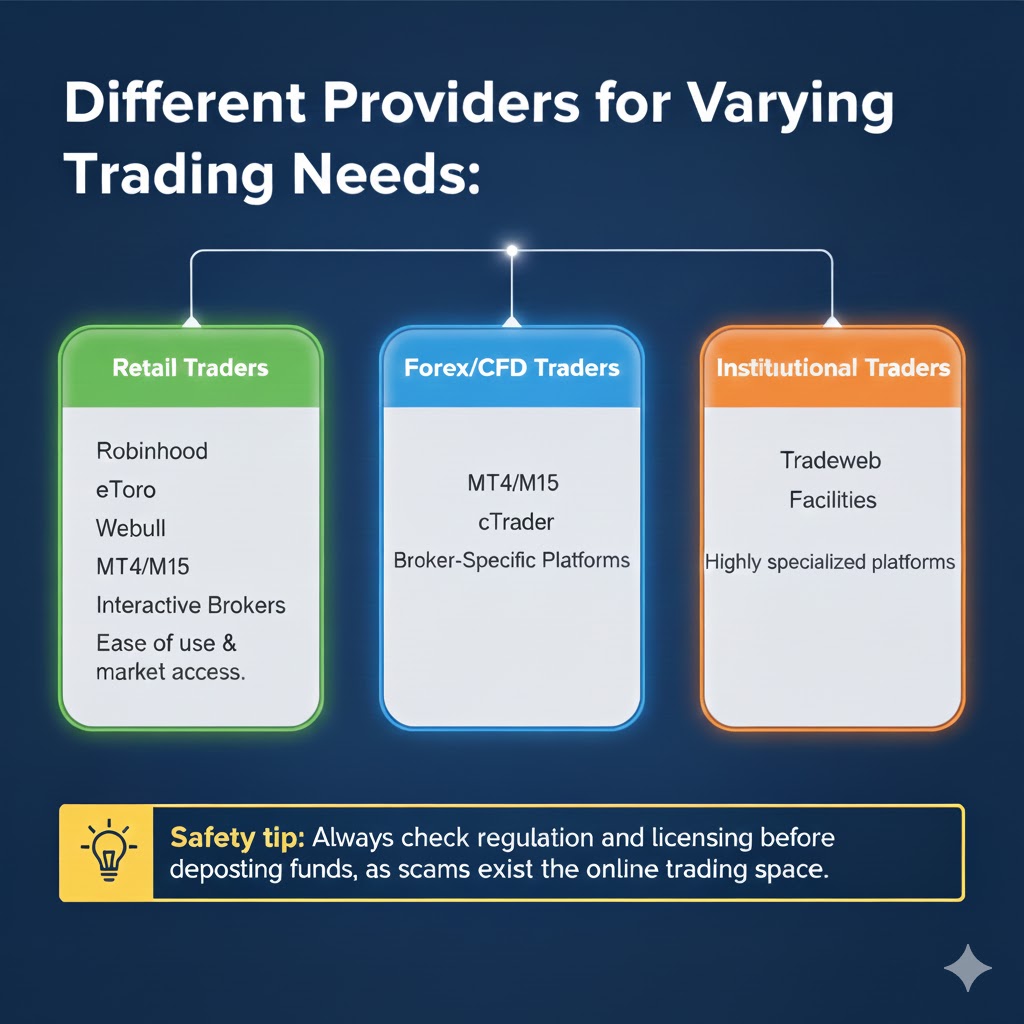
  • Trading Platforms

    trading platform is a software system or application that allows users to buy, sell, and manage financial instruments in financial markets.

    It is the tool traders use to access the market and execute trades.

    What trading platforms allow you to do

    • Place buy and sell orders
    • View real-time prices and charts
    • Perform technical analysis
    • Manage positions, margin, and leverage
    • Set risk controls (stop-loss, take-profit)
    • Track account balance and performance

    Types of trading platforms

    • Desktop platforms – advanced tools for professional traders
      (e.g. MetaTrader, Thinkorswim)
    • Web-based platforms – browser access, no installation
    • Mobile platforms – trading on smartphones and tablets
    • Institutional platforms – used by banks, funds, and prop firms

  • Leverage and Margin

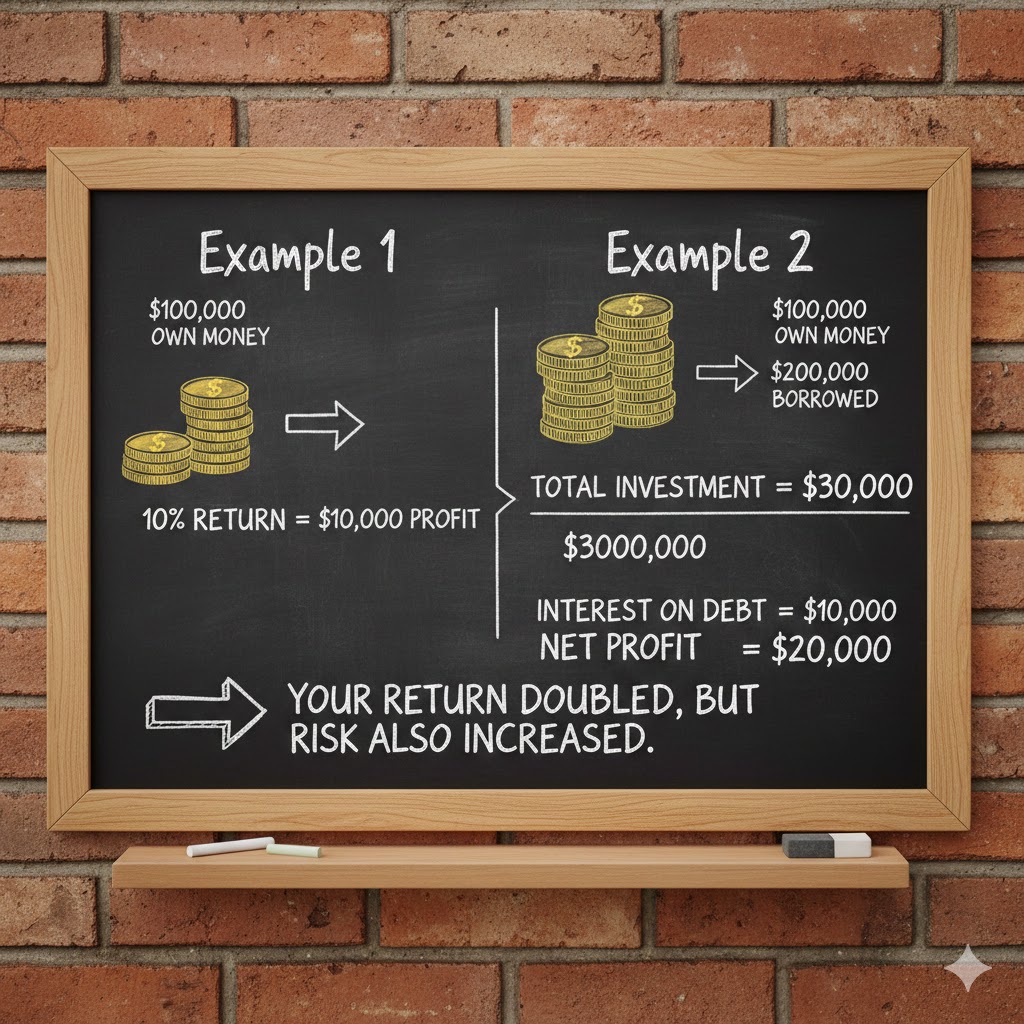
    Leverage is the use of borrowed resources (money or financial instruments) to increase exposure to an investment or activity, aiming to amplify potential returns.

    Leverage = controlling a larger position with a smaller amount of your own capital

    How it works

    When a company or investor uses debt instead of only their own capital:

    • If returns are higher than the cost of debt, leverage amplifies profits
    • If returns are lower than the cost of debt, leverage amplifies losses

    So leverage increases both opportunity and risk.


    Where financial leverage is used

    • Corporate finance (business expansion, acquisitions)
    • Investment & trading (stocks, derivatives, forex, crypto)
    • Real estate (mortgages)
    • Private equity & IPO structuring

    Key takeaway

    Financial leverage magnifies outcomes:
    higher leverage = higher potential return + higher risk.


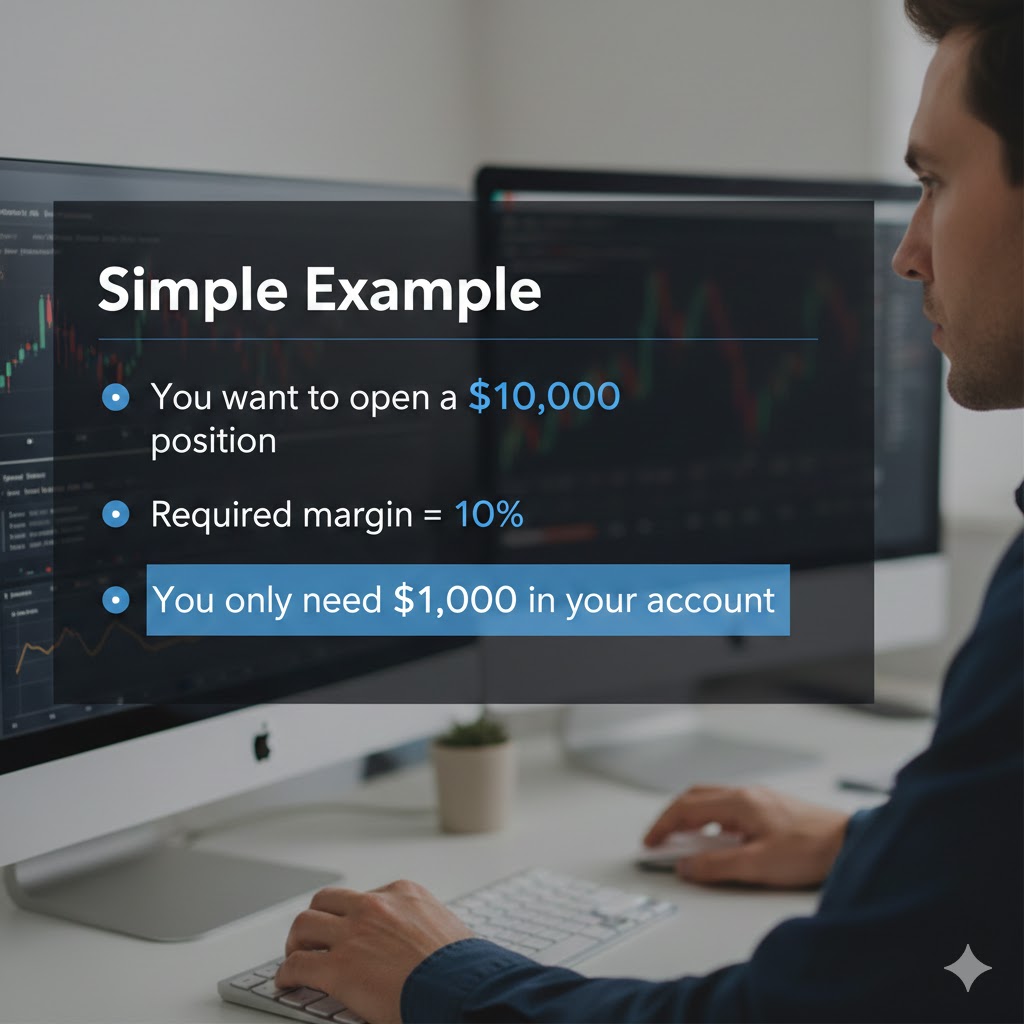
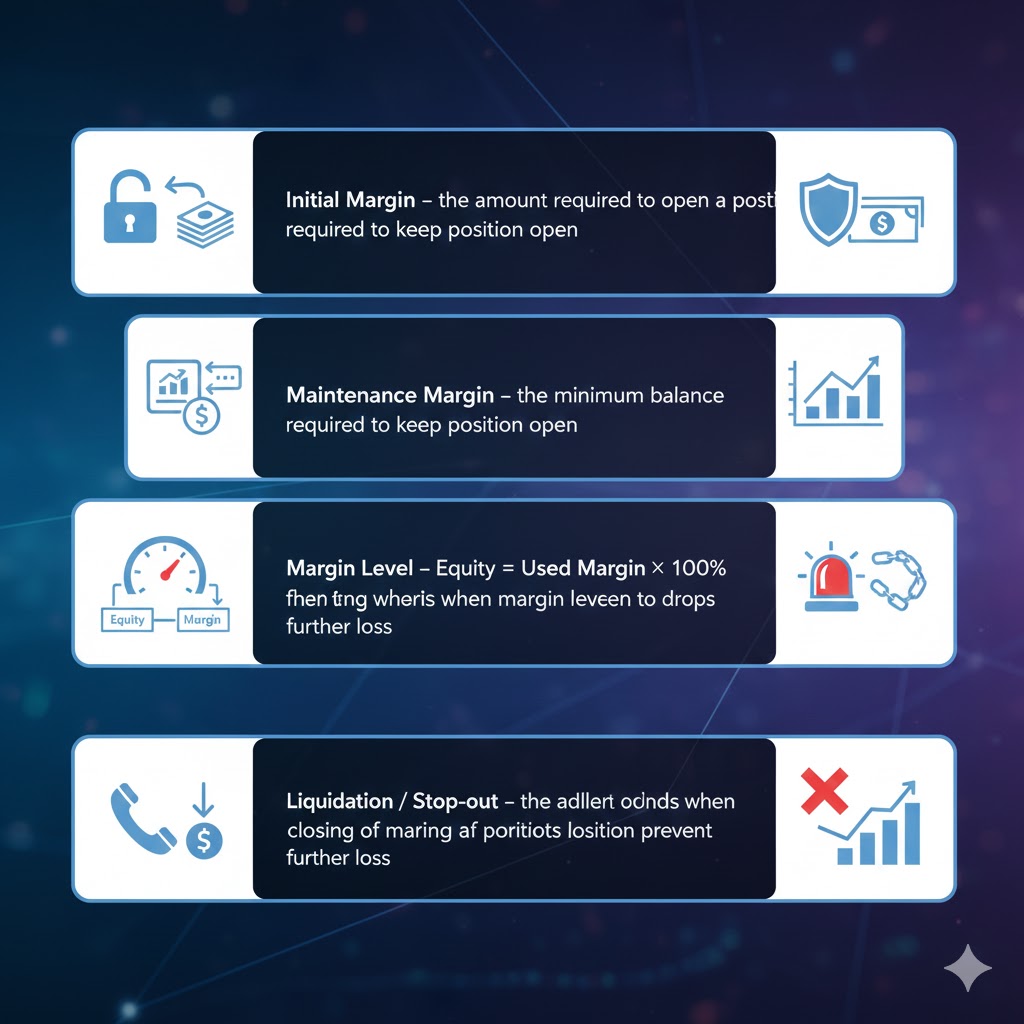
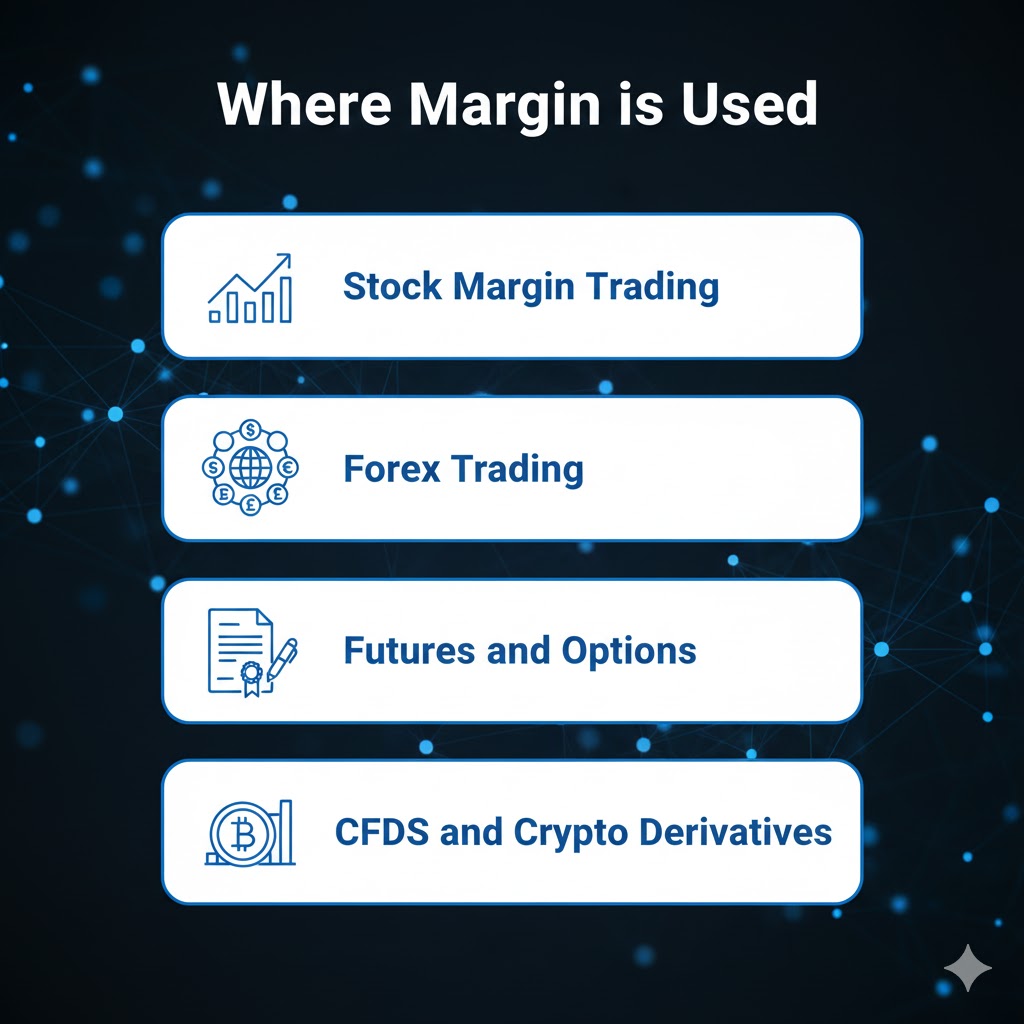
    Margin is the money you deposit with a broker to open and maintain a leveraged trading position.

    Margin is a security deposit, not a fee, that allows you to trade a larger position than your actual cash.

    How margin works

    • You deposit a small amount of capital (margin)
    • The broker allows you to control a larger position
    • The remaining amount is effectively borrowed from the broker

    Key Margin Terms

    Key takeaway

    Key takeaway

    Margin enables leverage, but poor margin management is the main cause of trading losses.

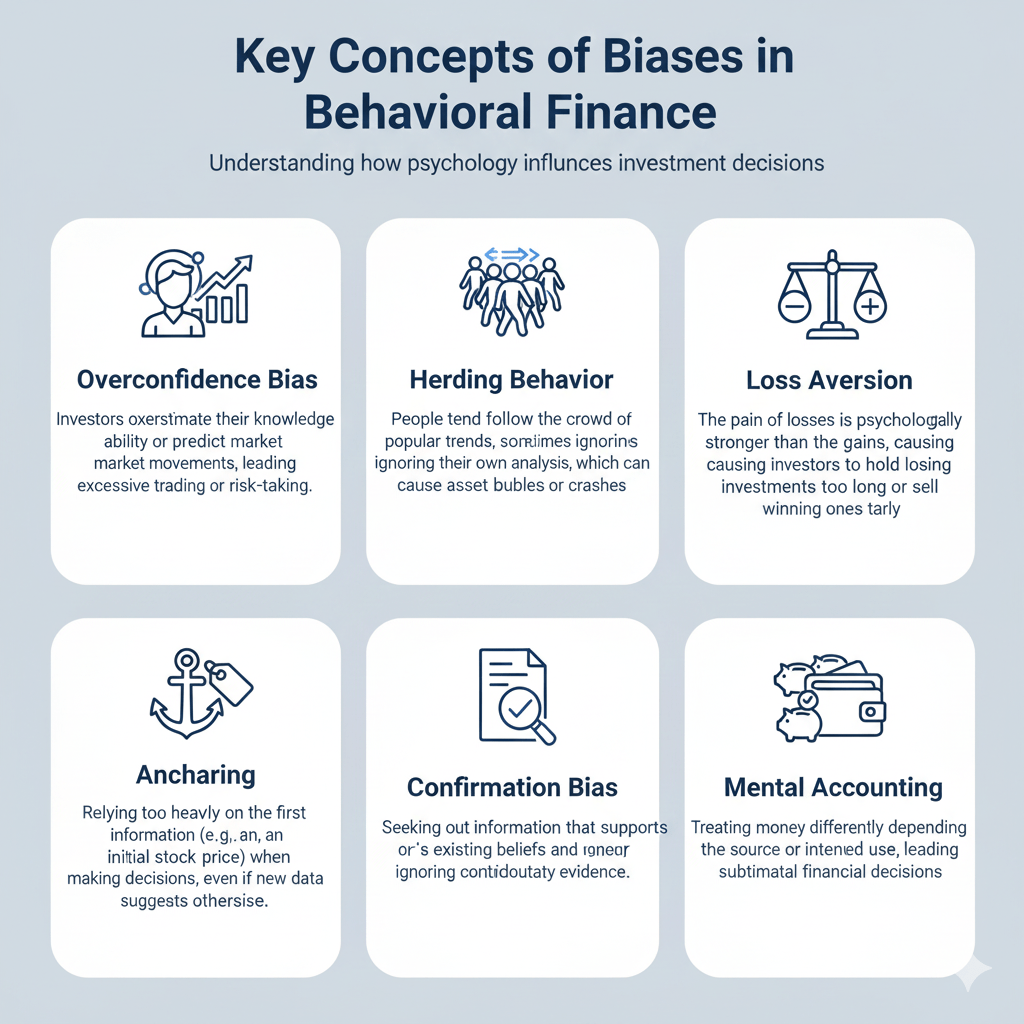
  • Behavioural Finance

    Behavioural Finance is a field of study that combines psychology and finance to understand how emotions, cognitive biases, and social factors influence investors’ decisions and financial markets.


    Key Points:

    • Unlike traditional finance, which assumes investors are fully rational, behavioural finance acknowledges that people often make irrational decisions.
    • It studies common biases such as overconfidenceherding behaviorloss aversion, and confirmation bias.
    • These biases can lead to market anomalies like bubbles, crashes, and mispricing of assets.
    • Understanding behavioural finance helps investors and financial professionals recognize and mitigate emotional and cognitive errors in decision-making.

    Impacts on Financial Markets

    • Market bubbles and crashes often result from collective irrational behaviour driven by biases.
    • Asset prices may deviate from their true value because of emotional trading.
    • Investors’ decisions are influenced by mood, social pressures, and cognitive shortcuts rather than purely rational analysis.

    Practical Applications

    • Investment Strategies: Incorporating behavioural insights to improve decision-making and portfolio management.
    • Risk Management: Recognizing biases helps in avoiding excessive risk-taking or panic selling.
    • Financial Education: Teaching investors about common biases to foster better habits.
    • Market Regulation: Regulators use behavioural finance to design policies protecting investors.

    Summary

    Behavioural Finance bridges the gap between psychology and economics, explaining why markets are not always efficient and why investor behaviour often deviates from rational models. Understanding these concepts can lead to smarter investing and better financial outcomes.

  • The Evolution of Technical Analysis

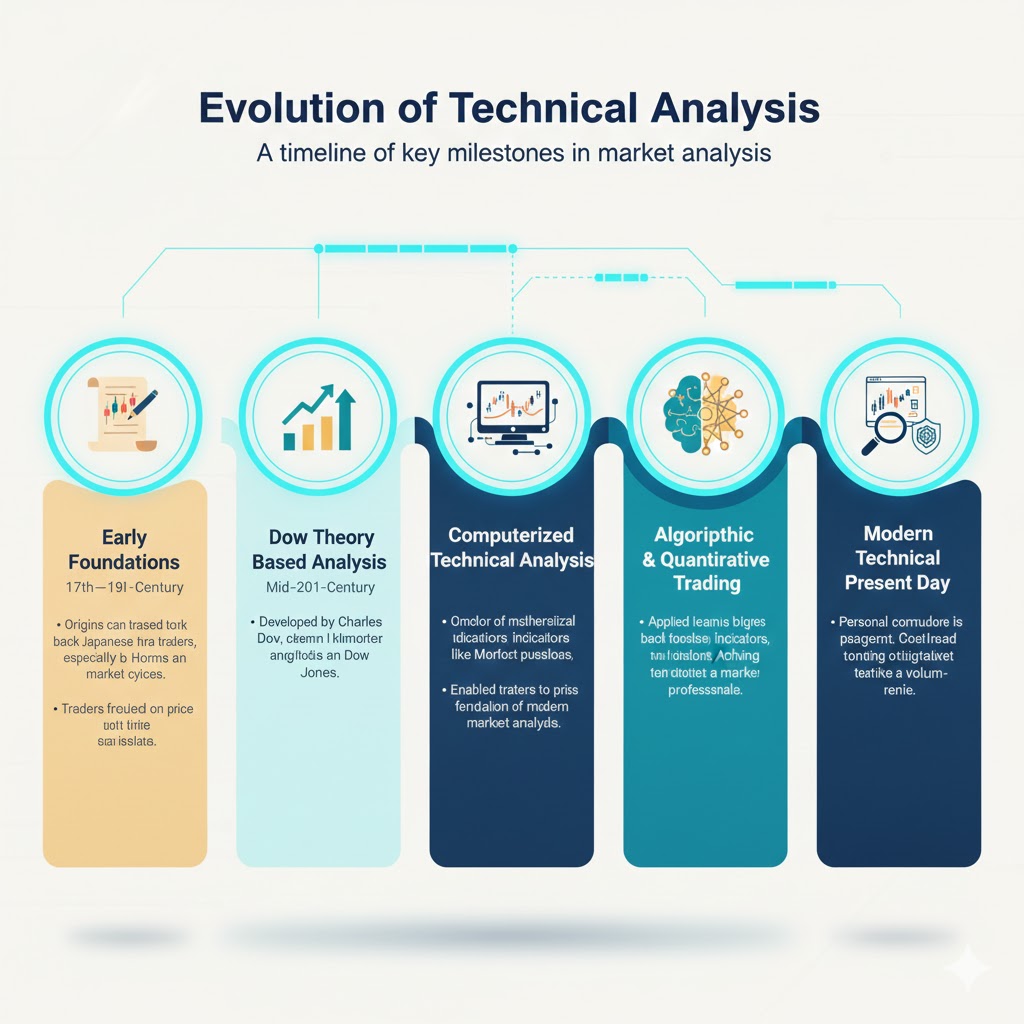
    The Evolution of Technical Analysis reflects how market analysis has developed over time, from simple price observations to sophisticated data-driven models used in modern trading.

    Technical analysis has evolved from visual chart reading to advanced, technology-driven systems, remaining a vital tool for understanding market behavior and timing trades.

    Without a solid foundation and fundamental knowledge, it is difficult to achieve profits or build wealth. Successful individuals and companies never rely solely on technical knowledge to grow their wealth—they combine it with strong fundamentals and a clear vision for long-term growth.

    The Eternal Sovereign – Thanh Nguyen

  • The International Financial System

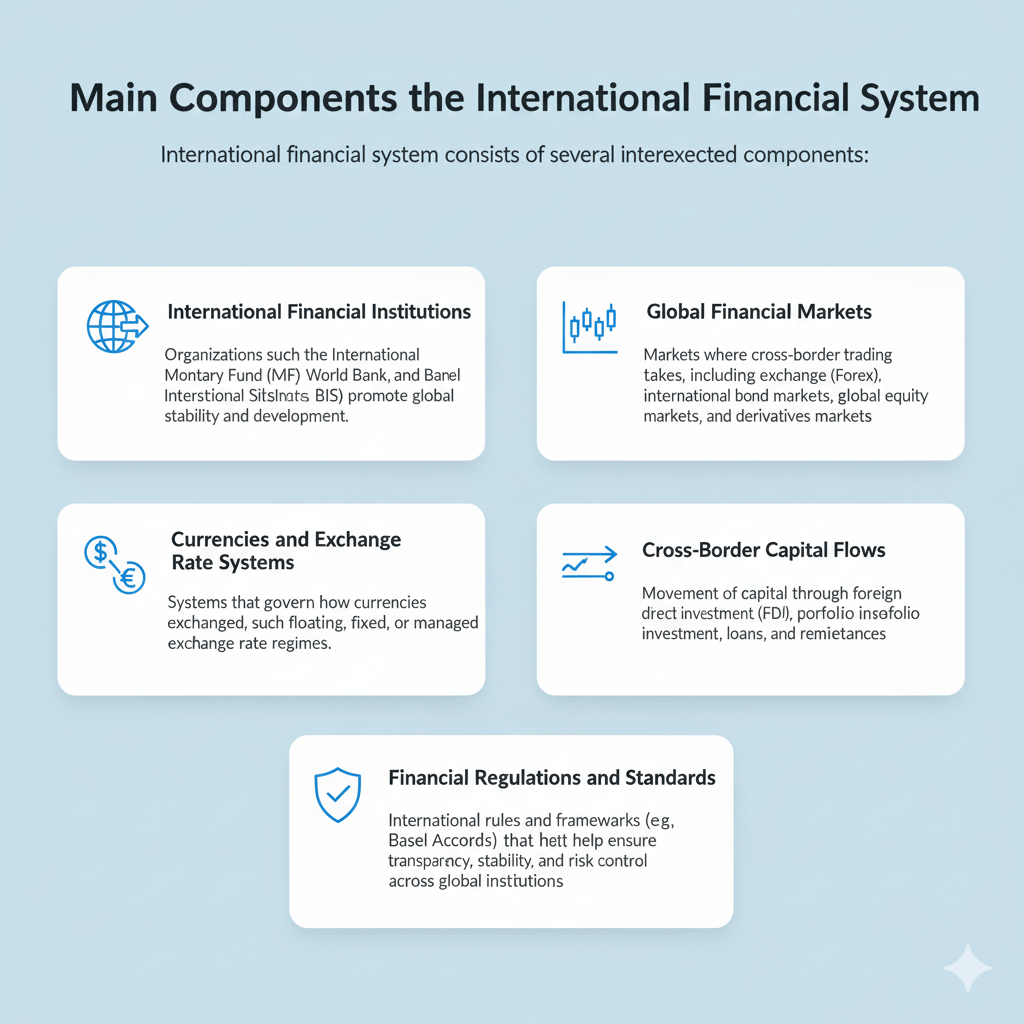
    The International Financial System (IFS) is the global framework that enables the flow of money, capital, and financial services across countries. It connects national financial systems and facilitates international trade, investment, and economic cooperation. The international financial system consists of institutions, markets, rules, and instruments that allow governments, businesses, and individuals to conduct cross-border financial transactions efficiently and securely.

    Functions of the International Financial System

    • Facilitates international trade and investment
    • Enables global capital allocation
    • Supports economic growth and development
    • Promotes financial stability and risk management
    • Provides mechanisms for crisis prevention and resolution

    A well-functioning international financial system helps reduce uncertainty, manage global financial risks, and support sustainable economic growth worldwide.

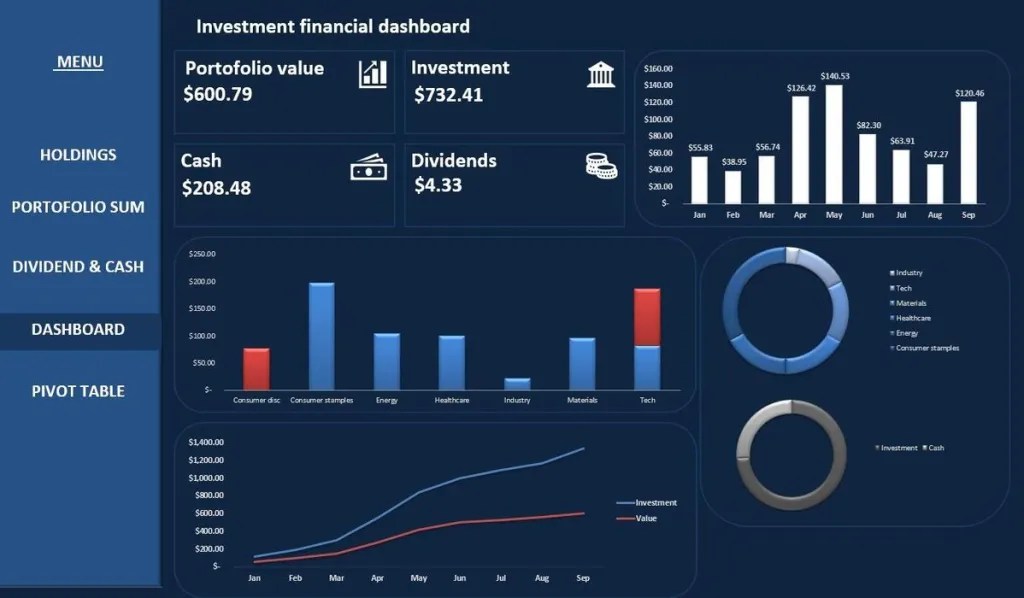
  • Portfolio Management

    Portfolio Management is the process of selecting, managing, and monitoring a collection of investments (a portfolio) to achieve specific financial goals while balancing risk and return. Portfolio management involves deciding what to invest inhow much to invest, and when to adjust investments based on an investor’s objectives, risk tolerance, time horizon, and market conditions.

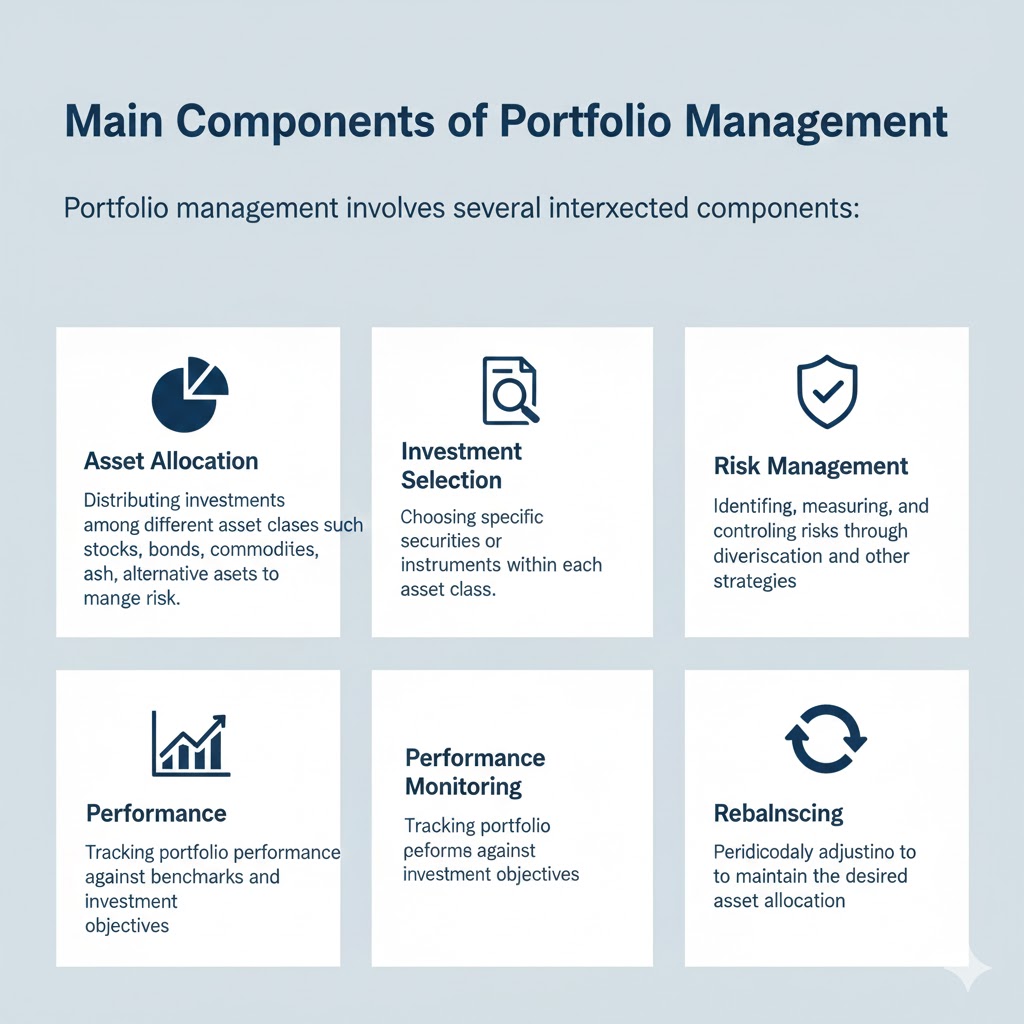
    Main Components of Portfolio Management

    • Asset Allocation
      Distributing investments among different asset classes such as stocks, bonds, commodities, cash, or alternative assets to manage risk.
    • Investment Selection
      Choosing specific securities or instruments within each asset class.
    • Risk Management
      Identifying, measuring, and controlling risks through diversification and other strategies.
    • Performance Monitoring
      Tracking portfolio performance against benchmarks and investment objectives.
    • Rebalancing
      Periodically adjusting the portfolio to maintain the desired asset allocation.

    Types of Portfolio Management

    • Active Portfolio Management:
      Managers actively buy and sell assets to outperform the market.
    • Passive Portfolio Management:
      Focuses on matching market performance, often through index funds.
    • Discretionary Portfolio Management:
      Managers make decisions on behalf of clients.
    • Non-discretionary Portfolio Management:
      Managers provide advice, but final decisions are made by clients.

    The main goal of portfolio management is to maximize returns for a given level of risk or minimize risk for a desired level of return.

  • Derivative Securities

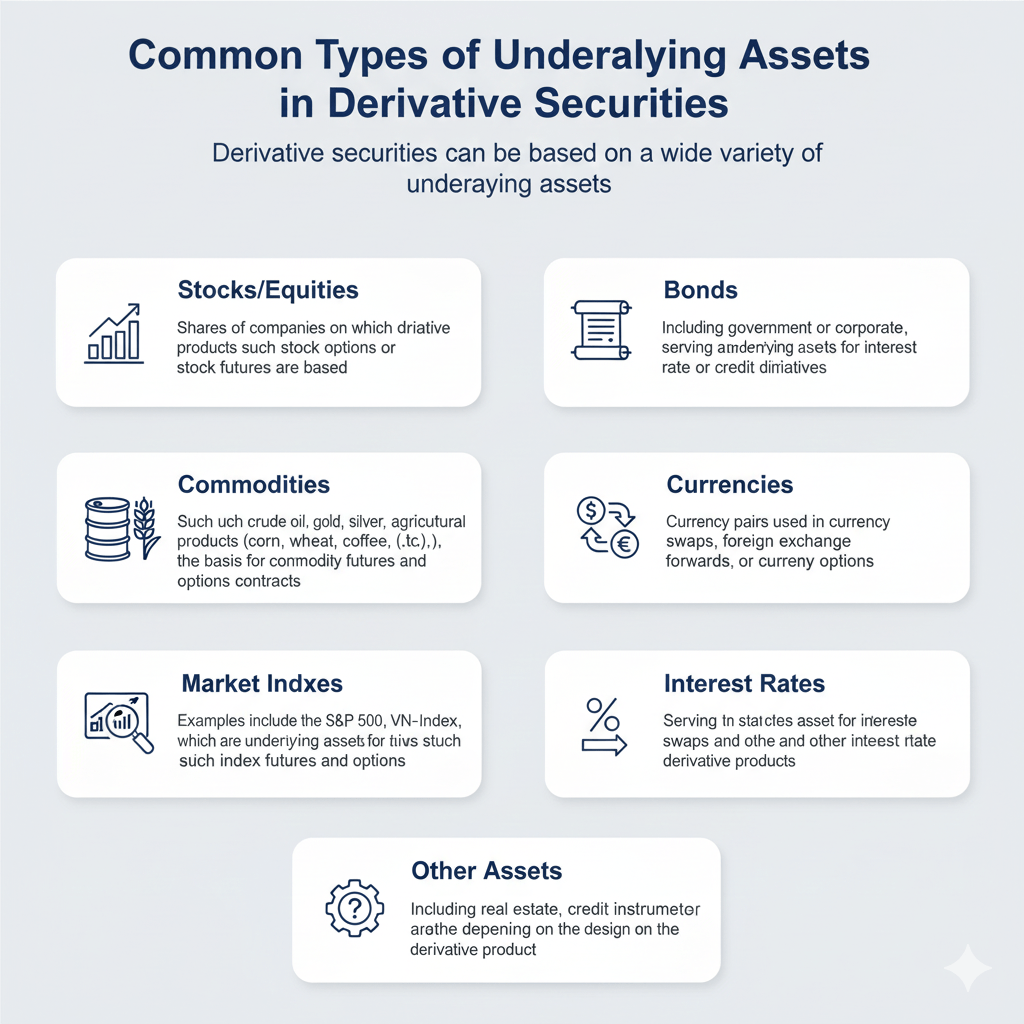
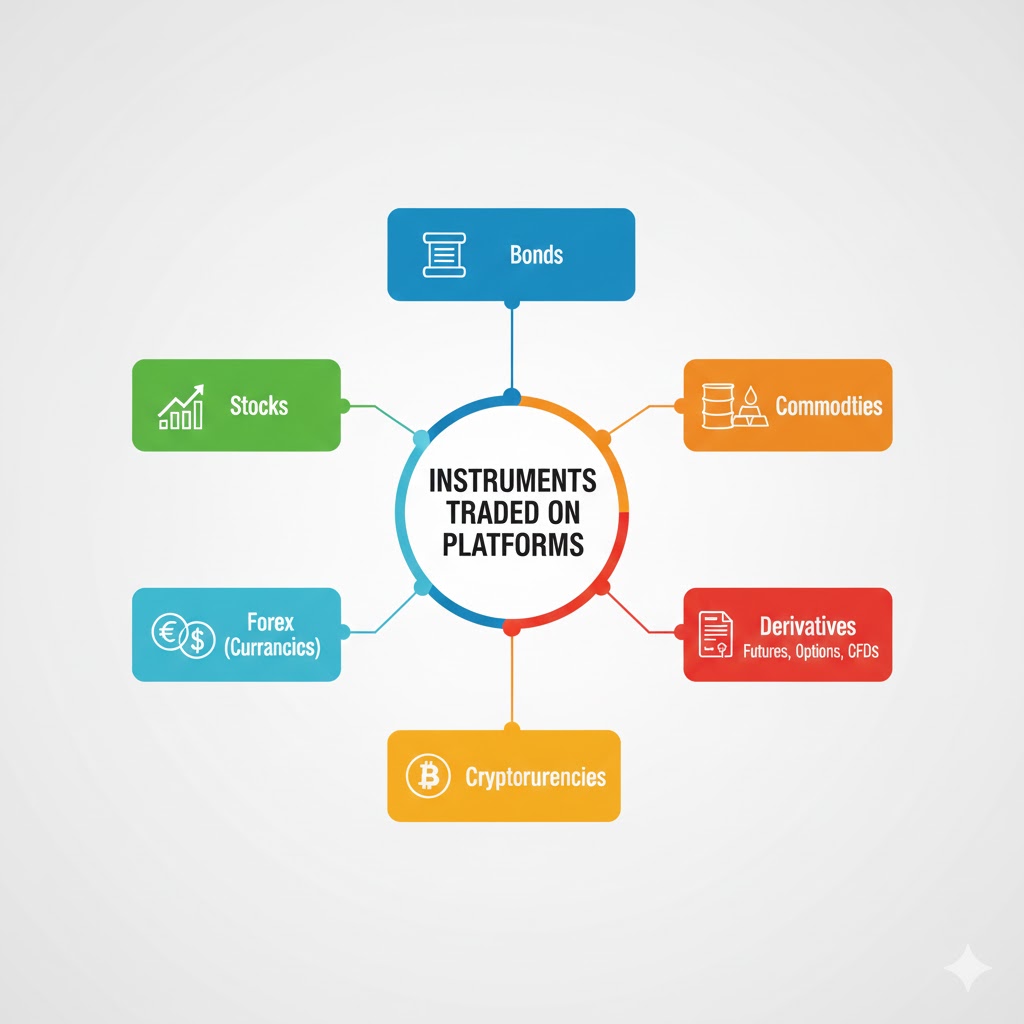
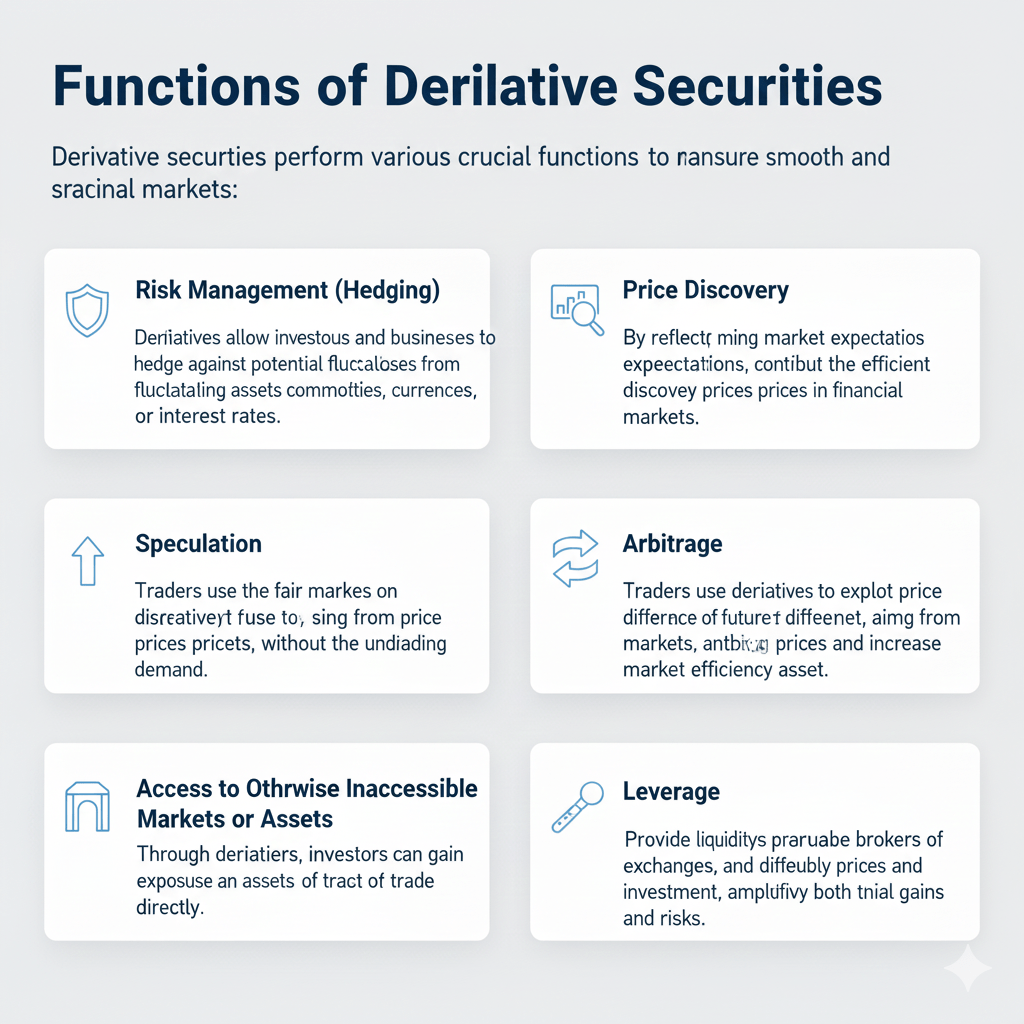
    Derivative securities are financial instruments whose value is derived from the value of an underlying asset, index, or rate. Common underlying assets include stocks, bonds, commodities, currencies, interest rates, or market indexes. Derivatives are primarily used for hedging risk, speculation, or arbitrage.

    Main Types of Derivative Securities

    • Futures Contracts
      Standardized agreements traded on exchanges, obligating the parties to buy or sell an asset at a predetermined price on a specified future date.
    • Options
      Contracts granting the holder the right, but not the obligation, to purchase (call option) or sell (put option) an asset at a specified price within a defined time period.
    • Swaps
      Customized, over-the-counter agreements between parties to exchange cash flows or financial instruments, commonly used to manage interest rate or currency risks.
    • Forwards
      Private, non-standardized contracts between two parties to buy or sell an asset at an agreed price on a future date, typically traded over-the-counter.

    Markets for Trading Derivative Securities

    1. Exchange-Traded Market (ETM):
      This is where standardized derivative contracts are traded on formal exchanges such as the Chicago Mercantile Exchange (CME), NYSE, or Vietnam’s Commodity Exchange (MXV).
    2. Over-The-Counter (OTC) Market
      This market involves direct trading between parties without going through formal exchanges. Contracts are often customized according to the agreements between the parties.
  • Liquidity Providers

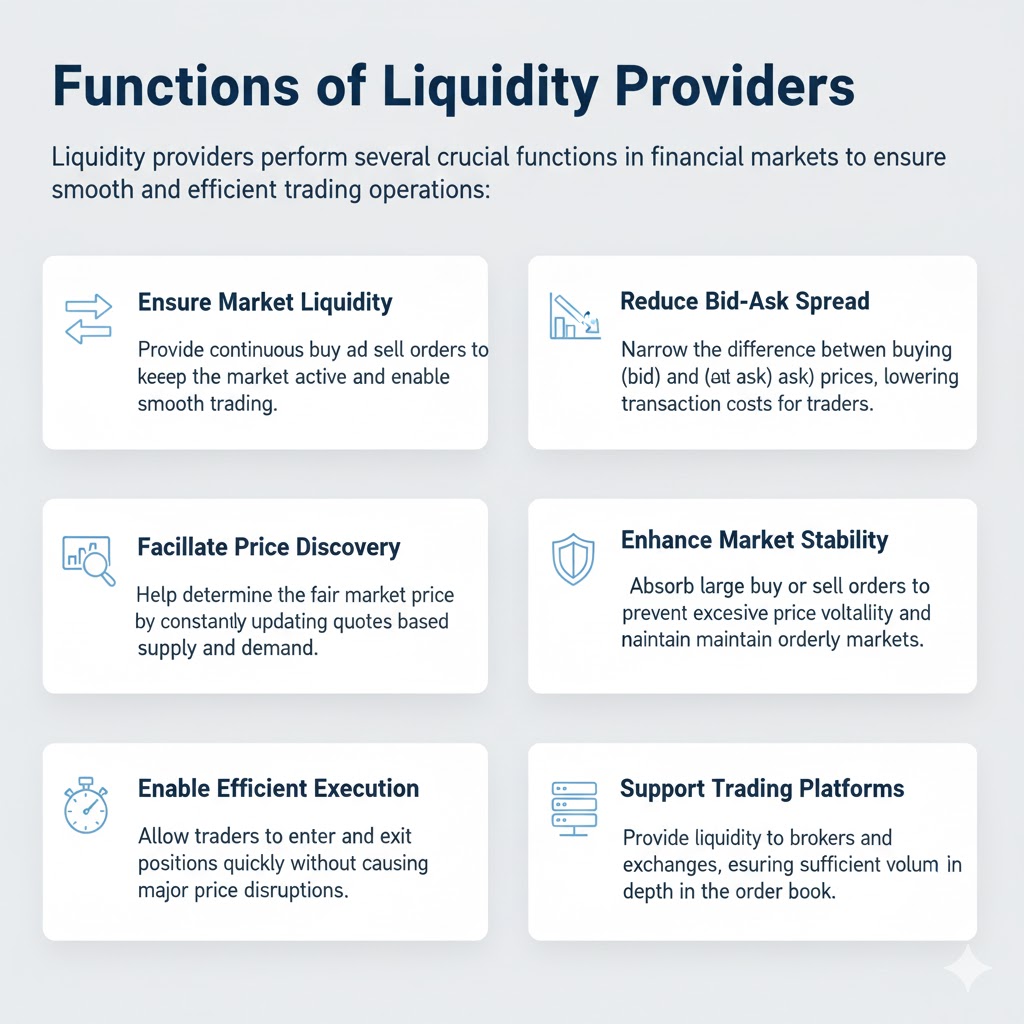
    Liquidity Providers are entities or institutions that supply the market with liquidity, meaning they make it easier to buy or sell assets without causing significant price changes. They ensure there’s enough volume of assets available so trades can happen smoothly and quickly.
    More details:

    • In financial markets (like stocks, forex, or cryptocurrencies), liquidity providers often include banks, market makers, or large financial firms.
    • They place buy and sell orders on exchanges or trading platforms to maintain active markets.
    • By doing so, they reduce the bid-ask spread, which is the difference between the buying price and selling price, making trading more efficient and less costly.
    • For example, in forex trading, liquidity providers are usually big banks or financial institutions that offer currency prices to brokers and traders.

    Financial companies without liquidity providers become scammers by using large price fluctuations to cause clients to incur losses.

  • The Role of the Central Bank

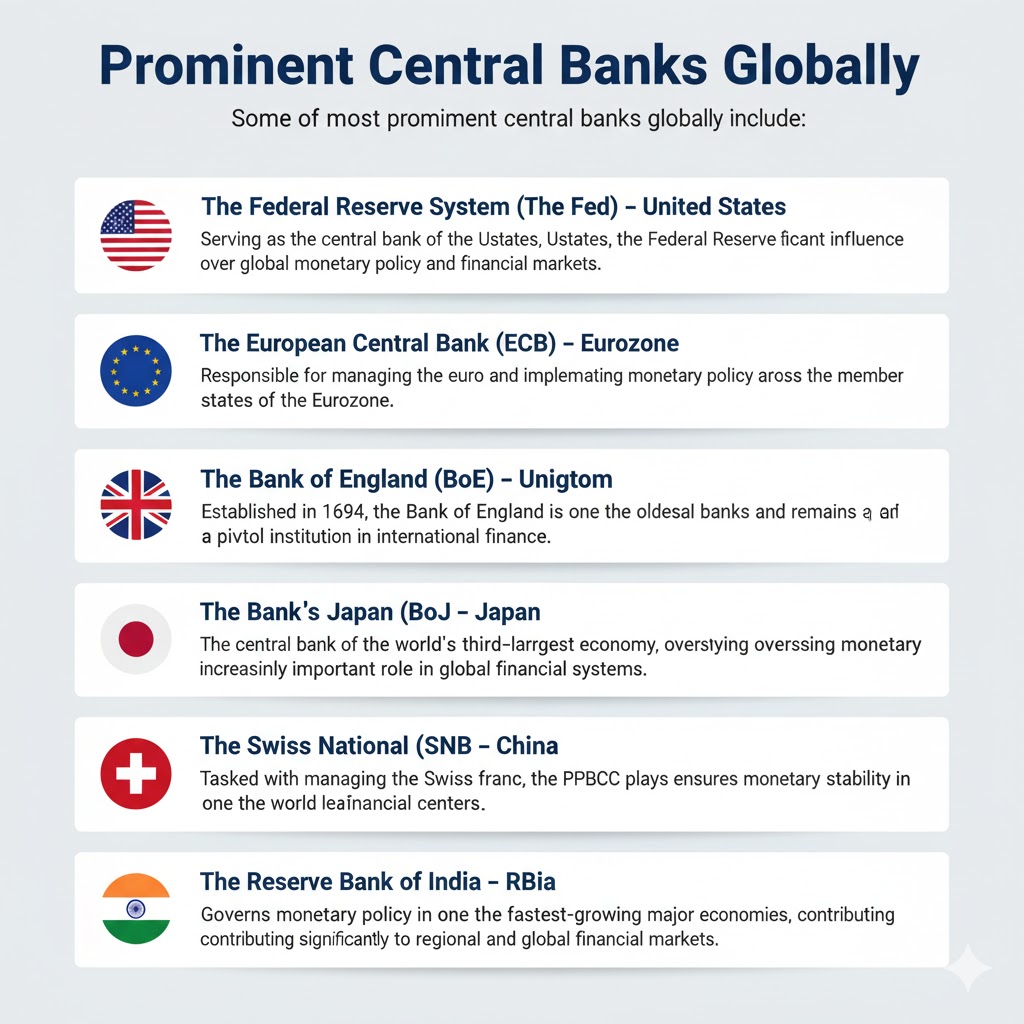
    The Central Bank plays a critical role in a country’s financial and economic system. It is the main authority responsible for regulating and supervising the banking sector, implementing monetary policy, and maintaining financial stability. The Central Bank controls the money supply and interest rates to achieve economic goals such as controlling inflation, supporting employment, and fostering sustainable economic growth. Additionally, it acts as a lender of last resort to financial institutions in times of crisis, manages the country’s foreign reserves, and oversees the issuance of the national currency. Through these functions, the Central Bank helps ensure confidence in the financial system and promotes the overall health of the economy.

    Main Functions of the Central Bank

    1. Monetary Policy Implementation
      Regulates money supply and interest rates to control inflation, stabilize exchange rates, and promote economic growth.
    2. Currency Issuance
      Sole authority to issue and manage the national currency in circulation.
    3. Lender of Last Resort
      Provides emergency liquidity support to financial institutions facing difficulties to maintain system stability.
    4. Bank Regulation and Supervision
      Ensures the safe and sound operation of commercial banks and financial organizations.
    5. Maintaining Financial Stability
      Prevents and manages systemic risks to protect the stability of financial markets.
    6. Foreign Exchange Reserve Management
      Holds and manages foreign currency reserves and intervenes in the forex market when necessary.
    7. Government’s Banker
      Manages government financial transactions, public debt issuance, and administration.
    8. Credit Control
      Coordinates credit volume and capital costs to foster balanced economic development.
  • Financial Services License

    A Financial Services License is a certification issued by the financial regulatory authority that allows an organization or individual to legally provide financial services such as investment advice, securities brokerage, fund management, insurance, lending, and other related financial services.

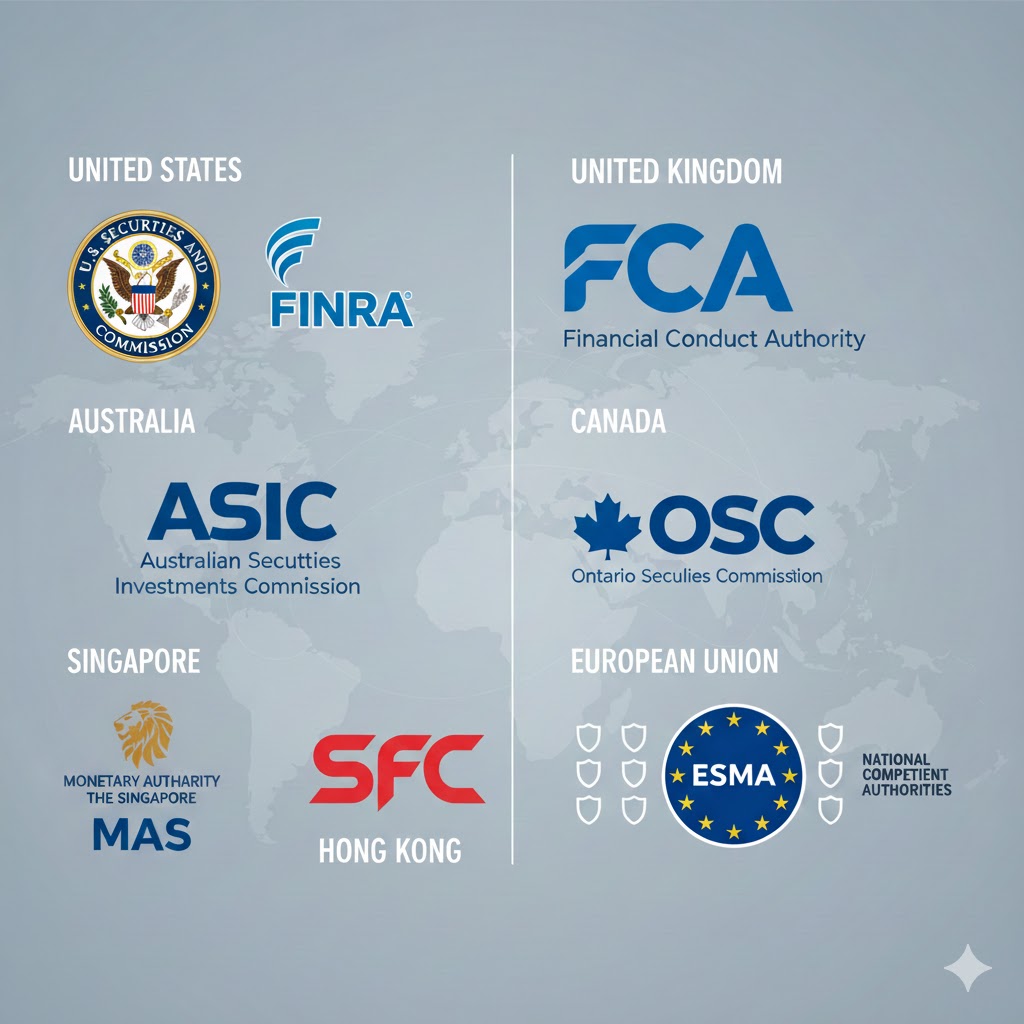
    In each country, this license is issued by the corresponding financial regulator, for example:

    • United States: Securities and Exchange Commission (SEC) or the Financial Industry Regulatory Authority (FINRA)
    • United Kingdom: Financial Conduct Authority (FCA)
    • Australia: Australian Securities and Investments Commission (ASIC)
    • Canada: Canadian Securities Administrators (CSA) and provincial regulators such as the Ontario Securities Commission (OSC)
    • Singapore: Monetary Authority of Singapore (MAS)
    • Hong Kong: Securities and Futures Commission (SFC)
    • European Union: National competent authorities in each member state, coordinated under the European Securities and Markets Authority (ESMA)

    Scope of Activities

    The license clearly defines the scope of permitted services, such as investment advice, securities brokerage, fund management, insurance, consumer lending, financial payment services, etc.

    Requirements for Licensing

    • Complete legal documents (business registration, establishment certificates, etc.)
    • Financial capacity and qualified professional personnel as required
    • Risk management policies, compliance with laws and anti-money laundering regulations
    • Internal procedures, reporting systems, and activity monitoring

    Compliance Responsibilities

    License holders must strictly comply with regulations, including:

    • Undergoing audits and inspections when required
    • Periodic reporting of financial activities
    • Compliance with risk management and customer protection regulations

    Therefore, any enterprise that conducts marketing activities to attract customers without being granted a financial services license is undoubtedly operating as a fraudulent entity.

  • An Overview of Financial Markets

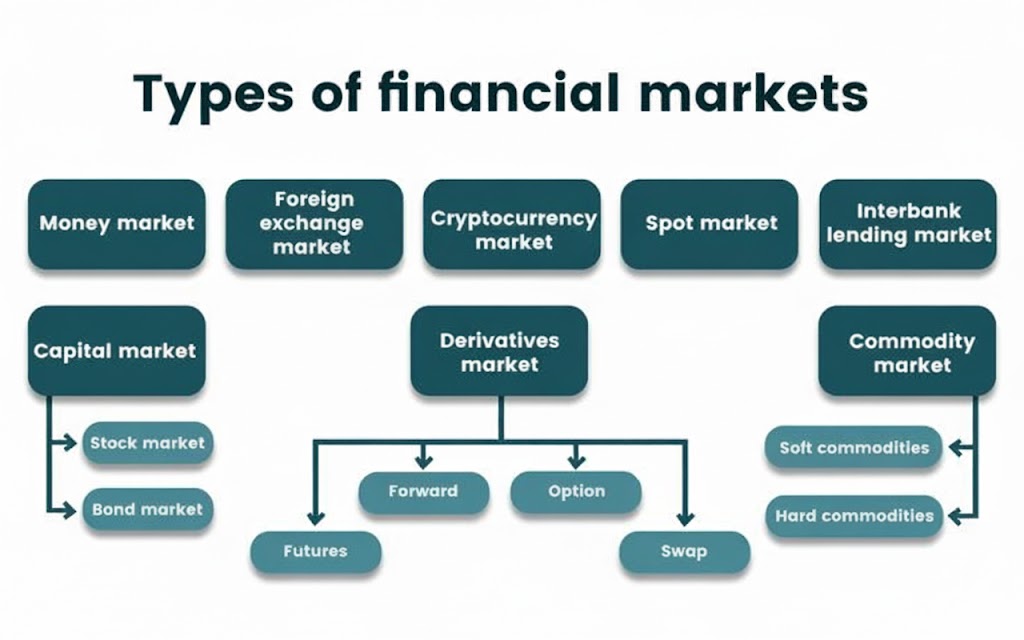
    Financial markets play a crucial role in the global economy by facilitating the efficient allocation of resources and capital. These markets provide a platform where buyers and sellers can trade financial instruments such as stocks, bonds, currencies, and derivatives. By enabling the transfer of funds from savers to borrowers, financial markets support business growth, innovation, and economic development. Additionally, they offer investors opportunities to diversify their portfolios and manage risks.

    The main types of financial markets include the stock market, bond market, crypto market, money market, and foreign exchange market, each serving distinct functions but collectively contributing to market liquidity and price discovery. Understanding the dynamics of financial markets is essential for investors, policymakers, and businesses to make informed decisions and sustain economic stability.

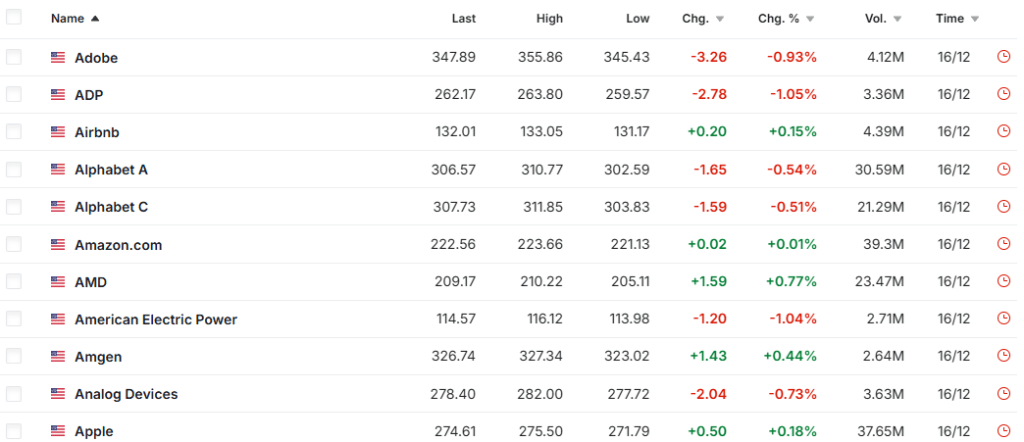
    Stock Market

    The stock market is a vital component of the financial system where shares of publicly traded companies are bought and sold. It serves as a marketplace that connects companies seeking capital with investors looking for potential returns. By issuing stocks, companies can raise funds to expand their operations, invest in new projects, or pay off debt. For investors, the stock market offers an opportunity to own a portion of a company and potentially benefit from its growth through price appreciation and dividends. The stock market also plays a key role in reflecting the overall health of an economy, as stock prices often react to economic indicators, corporate performance, and global events. Major stock exchanges like the New York Stock Exchange (NYSE) and Nasdaq provide structured environments that ensure transparency, liquidity, and regulatory oversight to protect investors.

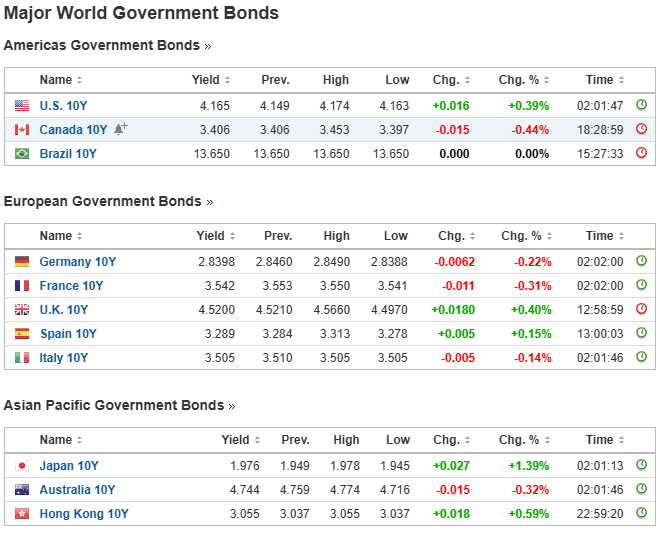
    Bond Market

    The bond market, also known as the debt market or fixed-income market, is where investors buy and sell bonds—essentially loans made to governments, corporations, or other entities. When an organization issues a bond, it borrows money from investors and agrees to pay back the principal amount on a specific maturity date, along with periodic interest payments called coupons. The bond market plays a critical role in financing large projects, government spending, and corporate growth by providing a stable source of long-term funding. For investors, bonds are generally considered lower-risk investments compared to stocks, offering steady income and portfolio diversification. The bond market also helps influence interest rates and overall economic conditions, as central banks and policymakers monitor bond yields to guide monetary policy. Major participants in the bond market include governments, financial institutions, pension funds, and individual investors.

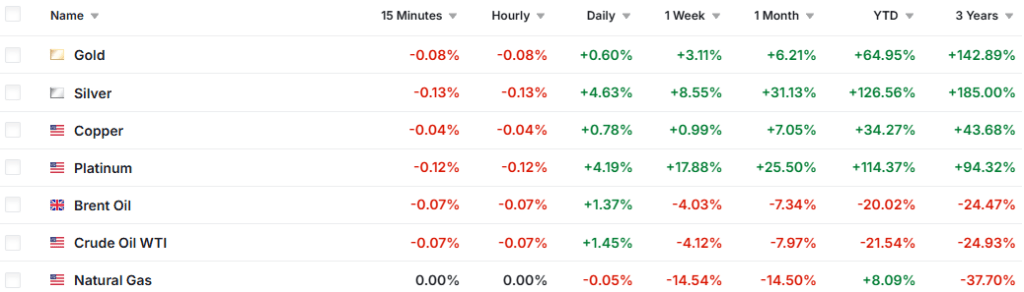
    Commodity Market

    The commodities market is a marketplace where raw materials and primary agricultural products are bought, sold, and traded. These commodities include physical goods such as oil, gold, natural gas, coffee, wheat, and metals. The market plays a vital role in the global economy by allowing producers, consumers, and investors to manage price risks through contracts like futures and options. Commodities markets help stabilize prices by providing transparency and liquidity, enabling participants to hedge against fluctuations caused by factors such as weather, geopolitical events, and supply-demand imbalances. There are two main types of commodities markets: the spot market, where goods are traded for immediate delivery, and the derivatives market, where contracts for future delivery are exchanged. Investing in commodities can provide portfolio diversification and serve as a hedge against inflation, attracting both individual and institutional investors worldwide.

    Currency Market (Foreign Exchange – Forex)

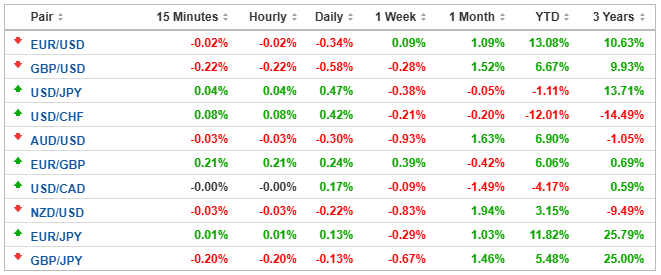
    The currencies market, commonly known as the foreign exchange market or Forex, is the largest and most liquid financial market in the world. It involves the buying and selling of different currencies, allowing businesses, governments, investors, and traders to convert one currency into another. Forex operates 24 hours a day, five days a week, across global financial centers, making it highly accessible. The market plays a critical role in facilitating international trade and investment by enabling currency conversion and helping manage exchange rate risks. Currency prices fluctuate constantly due to factors like economic indicators, interest rates, geopolitical events, and market sentiment. Traders in the Forex market range from large banks and multinational corporations to individual investors, all seeking to profit from currency movements or hedge against currency risks. Because of its high liquidity and volatility, the Forex market offers significant opportunities but also carries considerable risk.

    Cryptocurrecy Market

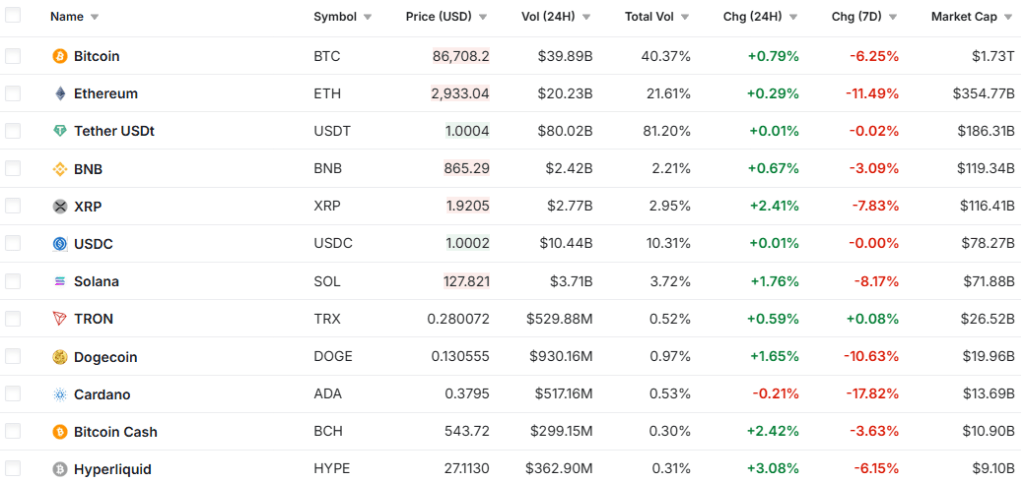
    The cryptocurrency market is a relatively new and rapidly evolving segment of the financial world where digital currencies like Bitcoin, Ethereum, and many others are traded. Unlike traditional currencies issued by governments, cryptocurrencies operate on decentralized blockchain technology, which ensures transparency, security, and immutability of transactions. The market enables investors and traders to buy, sell, and exchange cryptocurrencies on various online platforms called exchanges. It has gained popularity due to its potential for high returns, innovation in financial technology, and the growing adoption of blockchain applications. However, the cryptocurrency market is known for its high volatility and regulatory uncertainty, which can lead to significant risks for participants. Despite these challenges, it continues to attract interest from retail investors, institutional players, and developers aiming to reshape the future of finance and digital assets.

    The Participants of The Financial Markets

    A wide range of participants join financial markets, each with different goals and roles:

    More information about these participants.
    1. Individual Investors and Traders
      These are everyday people who buy and sell assets like stocks, bonds, currencies, or cryptocurrencies to grow their wealth, save for retirement, or speculate on price movements.
    2. Institutional Investors
      Large organizations such as mutual funds, pension funds, insurance companies, and hedge funds. They invest significant amounts of capital to achieve long-term growth, manage risk, or generate income for their clients or beneficiaries.
    3. Corporations
      Companies participate in financial markets to raise capital (by issuing stocks or bonds), hedge against risks (such as currency or commodity price changes), or invest surplus cash.
    4. Governments and Central Banks
      Governments issue bonds to finance public spending, while central banks intervene in currency markets to stabilize exchange rates and implement monetary policy.
    5. Market Makers and Brokers
      Market makers provide liquidity by continuously buying and selling assets, ensuring smoother trading. Brokers act as intermediaries, executing trades on behalf of clients.
    6. Speculators
      Traders who seek to profit from short-term price fluctuations by taking on higher risks.
    7. Hedgers
      Participants like farmers, manufacturers, or importers who use markets (especially commodities or Forex) to protect themselves from unfavorable price changes.

    Each participant contributes to market liquidity, price discovery, and overall market efficiency.

  • 5 Effective Market Volatility Strategies to Protect and Grow Your Long-Term Wealth

    Market volatility often feels personal. One week, your investment portfolio appears stable; the next, it drops, headlines turn alarming, and every conversation sounds like a prediction. This emotional rollercoaster is normal, but panic selling can turn temporary market swings into lasting financial damage.

    For high-net-worth families and business owners, the stakes are even higher. Investments are not for entertainment—they serve real financial goals like retirement income, business transitions, philanthropy, and preserving long-term wealth.

    The good news is, successful investing doesn’t require perfect timing. Instead, it demands a consistent process that withstands diverse market conditions, volatile periods, and unforeseen events. The most effective market volatility strategies emphasize preparation, discipline, and risk management, all geared toward sustainable long-term growth.

    Key Takeaways

    • Market volatility is a normal part of investing; having a rules-based plan helps minimize panic selling and costly mistakes.
    • Effective risk management begins with clear asset allocation, defined investment horizons, and practical guardrails.
    • Portfolio diversification works best when intentional and based on asset class exposure—not simply by increasing the number of holdings.
    • Regular rebalancing reinforces the discipline of “selling high” and helps reduce volatility over time.
    • Maintaining a steady investment psychology keeps investors focused on long-term performance rather than daily market fluctuations.

    What Market Volatility Really Means in the Stock Market

    Market volatility reflects shifting expectations. Stock prices fluctuate, bond yields change, and the market continuously reprices risk as economic conditions evolve. Factors such as inflation risk, interest rate changes, and unexpected news can quickly alter market values.

    Volatility is not limited to equities. When interest rates rise, bond prices typically fall, often surprising investors who expect fixed-income assets to provide stability. In the bond market, price fluctuations are driven by interest rate risk, credit risk, and credit quality—especially in high-yield bonds and certain bond funds.

    Not every market downturn signals a crisis, but each one tests whether your portfolio aligns with your risk tolerance and investment objectives.

    Investment Psychology: Why Many Investors Make Costly Moves

    During volatile periods, investment psychology can undermine sound judgment. Loss aversion makes market declines feel unbearable, while recency bias convinces investors that recent events will dictate future outcomes. Coupled with constant commentary on indices like the Dow Jones and “potential winners,” investors face emotional pressure from all sides.

    Risk-averse investors are particularly vulnerable. When fear peaks, many abandon their original plans and move to cash at inopportune moments. Hesitation to re-enter the market thereafter can significantly harm long-term returns.

    The solution is not bravado but structure. A well-designed, rules-based investment plan reduces the likelihood of reactive decisions during turbulent times.


    Practical Risk Management Strategies for a Diversified Portfolio

    During periods of market turbulence, the objective isn’t to predict headlines but to manage risk effectively and keep your balanced portfolio aligned with your long-term financial goals.

    1. Start With Asset Allocation and Risk Tolerance

    Asset allocation is one of the most important factors driving long-term investment performance. A well-designed allocation reflects both your risk tolerance—the level of risk you are comfortable with—and your risk capacity, which is more practical and considers your time horizon, liquidity needs, and how much additional risk your financial plan can realistically withstand without forcing unwanted changes.

    If a market downturn would compel you to sell assets to cover life expenses, your portfolio’s overall risk might be too high for your situation. This is especially critical for business owners nearing liquidity events or investors approaching retirement, who need to ensure their allocation aligns with their unique financial circumstances.

    2. Build Portfolio Diversification That Holds Up Across Market Conditions

    Portfolio diversification is effective when your assets respond differently under the same market conditions. Simply owning multiple mutual funds tracking similar benchmarks can still expose you to a single dominant risk factor.

    A truly diversified portfolio includes exposure to multiple asset classes, such as:

    • Equities across various sectors
    • International stocks for broader geographic exposure
    • Fixed income securities selected by credit quality and duration
    • Cash or short-term instruments to manage liquidity risk

    This approach reduces overall portfolio volatility by not relying on a single market narrative. It also preserves long-term growth potential by avoiding overconcentration in any one area.

    3. Use Fixed Income Investments With Eyes Open

    Bonds can provide portfolio stability, but selecting the right bonds is crucial. Government and high-quality bonds often behave differently from corporate or high-yield bonds, especially during economic stress. Credit risk and duration significantly impact bond performance.

    Rising interest rates typically cause bond prices to fall, particularly for longer-duration bonds. Bond funds may also experience unexpected market value fluctuations, and selling during market stress can lock in losses. Understanding interest rate risk, credit quality, and bond price sensitivity across economic cycles is essential.

    Fixed income investments play an important role but should be tailored to your time horizon and investment objectives—not based on assumptions or market noise.

    4. Rebalancing With Discipline to Manage Risk

    Rebalancing is a disciplined approach to managing risk and maintaining a balanced portfolio. It helps prevent emotional trading by systematically adjusting your holdings back to your target asset allocation.

    Over time, rebalancing reinforces the “sell high” discipline by trimming assets that have grown disproportionately and adding to those that have lagged behind. While it’s not a guarantee of gains, this method effectively controls risk and reduces portfolio drift during volatile market conditions.

    5. Plan Liquidity to Reduce Forced Selling

    Liquidity risk becomes a critical concern when cash is needed during a market downturn. Having a clear cash plan, maintaining an emergency reserve, and carefully timing large expenses can help minimize the risk of being forced to sell investments at unfavorable prices.

    This strategy is especially vital for investors with irregular cash flows, upcoming tax obligations, or significant business expenses. A well-structured liquidity plan safeguards your long-term investment goals by preventing your portfolio from being tapped as an emergency fund.

    Sources: Investing