Financial markets play a crucial role in the global economy by facilitating the efficient allocation of resources and capital. These markets provide a platform where buyers and sellers can trade financial instruments such as stocks, bonds, currencies, and derivatives. By enabling the transfer of funds from savers to borrowers, financial markets support business growth, innovation, and economic development. Additionally, they offer investors opportunities to diversify their portfolios and manage risks.
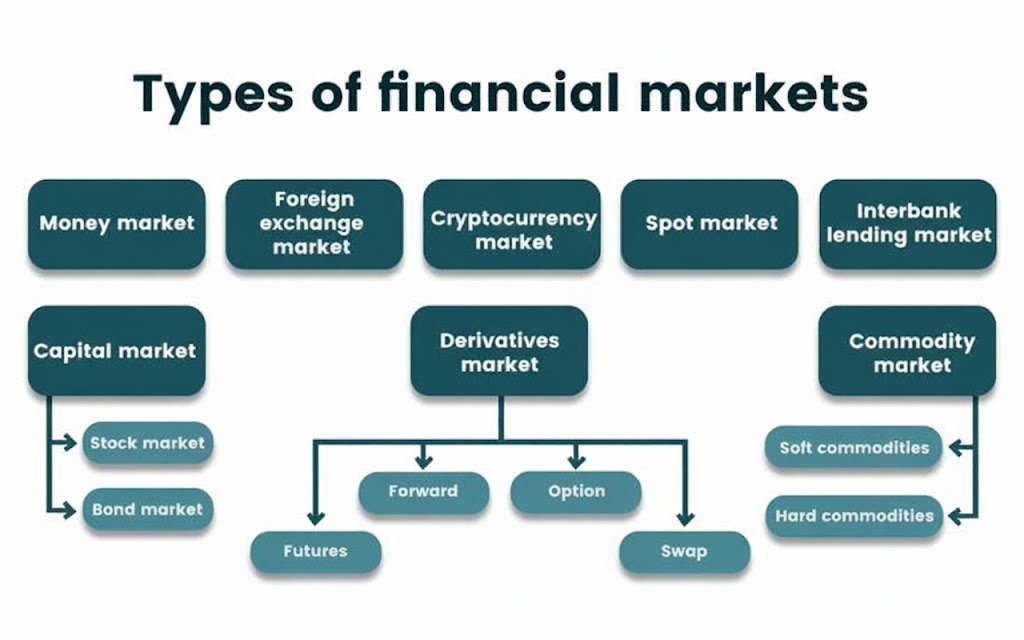
The main types of financial markets include the stock market, bond market, crypto market, money market, and foreign exchange market, each serving distinct functions but collectively contributing to market liquidity and price discovery. Understanding the dynamics of financial markets is essential for investors, policymakers, and businesses to make informed decisions and sustain economic stability.
Stock Market
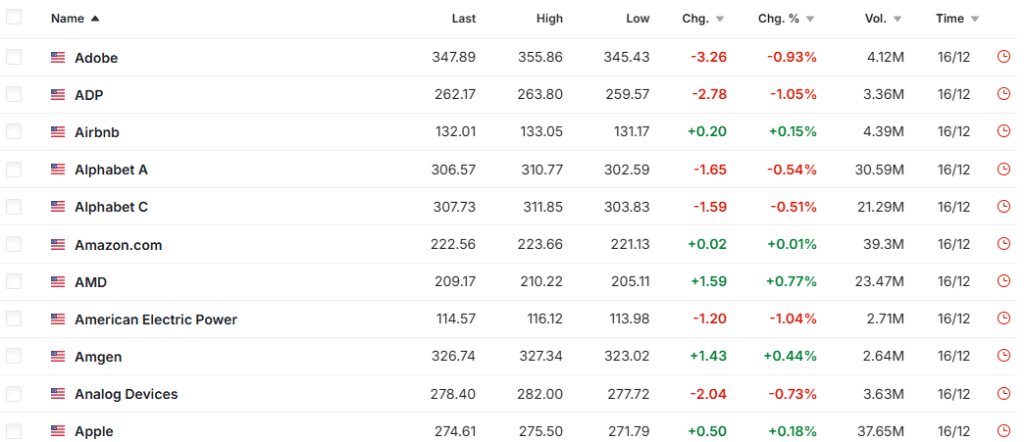
The stock market is a vital component of the financial system where shares of publicly traded companies are bought and sold. It serves as a marketplace that connects companies seeking capital with investors looking for potential returns. By issuing stocks, companies can raise funds to expand their operations, invest in new projects, or pay off debt. For investors, the stock market offers an opportunity to own a portion of a company and potentially benefit from its growth through price appreciation and dividends. The stock market also plays a key role in reflecting the overall health of an economy, as stock prices often react to economic indicators, corporate performance, and global events. Major stock exchanges like the New York Stock Exchange (NYSE) and Nasdaq provide structured environments that ensure transparency, liquidity, and regulatory oversight to protect investors.
Bond Market
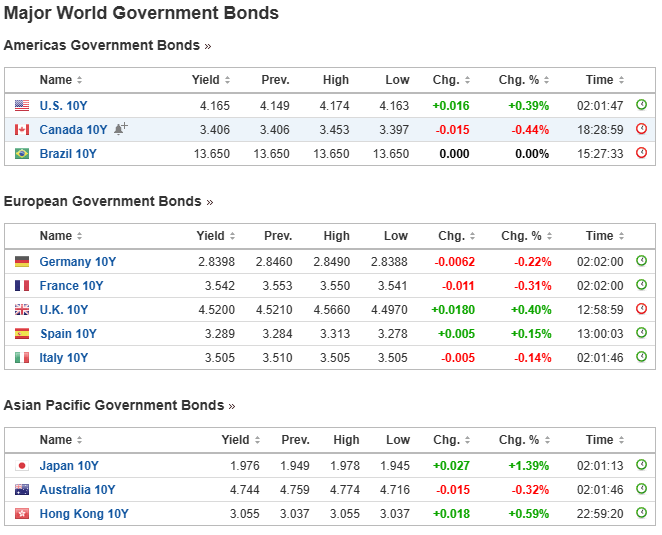
The bond market, also known as the debt market or fixed-income market, is where investors buy and sell bonds—essentially loans made to governments, corporations, or other entities. When an organization issues a bond, it borrows money from investors and agrees to pay back the principal amount on a specific maturity date, along with periodic interest payments called coupons. The bond market plays a critical role in financing large projects, government spending, and corporate growth by providing a stable source of long-term funding. For investors, bonds are generally considered lower-risk investments compared to stocks, offering steady income and portfolio diversification. The bond market also helps influence interest rates and overall economic conditions, as central banks and policymakers monitor bond yields to guide monetary policy. Major participants in the bond market include governments, financial institutions, pension funds, and individual investors.
Commodities
The commodities market is a marketplace where raw materials and primary agricultural products are bought, sold, and traded. These commodities include physical goods such as oil, gold, natural gas, coffee, wheat, and metals. The market plays a vital role in the global economy by allowing producers, consumers, and investors to manage price risks through contracts like futures and options. Commodities markets help stabilize prices by providing transparency and liquidity, enabling participants to hedge against fluctuations caused by factors such as weather, geopolitical events, and supply-demand imbalances. There are two main types of commodities markets: the spot market, where goods are traded for immediate delivery, and the derivatives market, where contracts for future delivery are exchanged. Investing in commodities can provide portfolio diversification and serve as a hedge against inflation, attracting both individual and institutional investors worldwide.

Currencies Market (Forex)
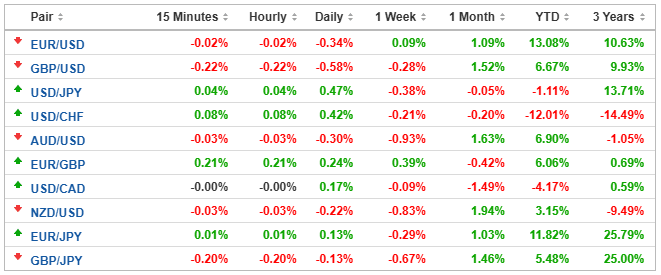
The currencies market, commonly known as the foreign exchange market or Forex, is the largest and most liquid financial market in the world. It involves the buying and selling of different currencies, allowing businesses, governments, investors, and traders to convert one currency into another. Forex operates 24 hours a day, five days a week, across global financial centers, making it highly accessible. The market plays a critical role in facilitating international trade and investment by enabling currency conversion and helping manage exchange rate risks. Currency prices fluctuate constantly due to factors like economic indicators, interest rates, geopolitical events, and market sentiment. Traders in the Forex market range from large banks and multinational corporations to individual investors, all seeking to profit from currency movements or hedge against currency risks. Because of its high liquidity and volatility, the Forex market offers significant opportunities but also carries considerable risk.
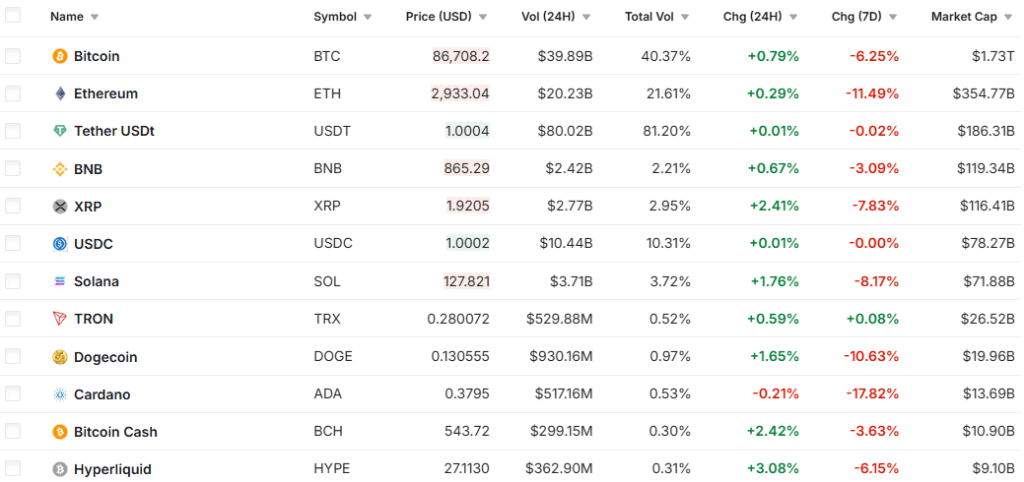
Cryptocurrecy Market
The cryptocurrency market is a relatively new and rapidly evolving segment of the financial world where digital currencies like Bitcoin, Ethereum, and many others are traded. Unlike traditional currencies issued by governments, cryptocurrencies operate on decentralized blockchain technology, which ensures transparency, security, and immutability of transactions. The market enables investors and traders to buy, sell, and exchange cryptocurrencies on various online platforms called exchanges. It has gained popularity due to its potential for high returns, innovation in financial technology, and the growing adoption of blockchain applications. However, the cryptocurrency market is known for its high volatility and regulatory uncertainty, which can lead to significant risks for participants. Despite these challenges, it continues to attract interest from retail investors, institutional players, and developers aiming to reshape the future of finance and digital assets.
The Participants of These Markets
A wide range of participants join financial markets, each with different goals and roles:

More information about these participants.
- Individual Investors and Traders
These are everyday people who buy and sell assets like stocks, bonds, currencies, or cryptocurrencies to grow their wealth, save for retirement, or speculate on price movements. - Institutional Investors
Large organizations such as mutual funds, pension funds, insurance companies, and hedge funds. They invest significant amounts of capital to achieve long-term growth, manage risk, or generate income for their clients or beneficiaries. - Corporations
Companies participate in financial markets to raise capital (by issuing stocks or bonds), hedge against risks (such as currency or commodity price changes), or invest surplus cash. - Governments and Central Banks
Governments issue bonds to finance public spending, while central banks intervene in currency markets to stabilize exchange rates and implement monetary policy. - Market Makers and Brokers
Market makers provide liquidity by continuously buying and selling assets, ensuring smoother trading. Brokers act as intermediaries, executing trades on behalf of clients. - Speculators
Traders who seek to profit from short-term price fluctuations by taking on higher risks.Hedgers
Participants like farmers, manufacturers, or importers who use markets (especially commodities or Forex) to protect themselves from unfavorable price changes. - Hedgers
Participants like farmers, manufacturers, or importers who use markets (especially commodities or Forex) to protect themselves from unfavorable price changes.
Each participant contributes to market liquidity, price discovery, and overall market efficiency.
 THE ETERNAL SOVEREIGN